




Introduction — Pavarotti’s legacy: objects and archives in Modena
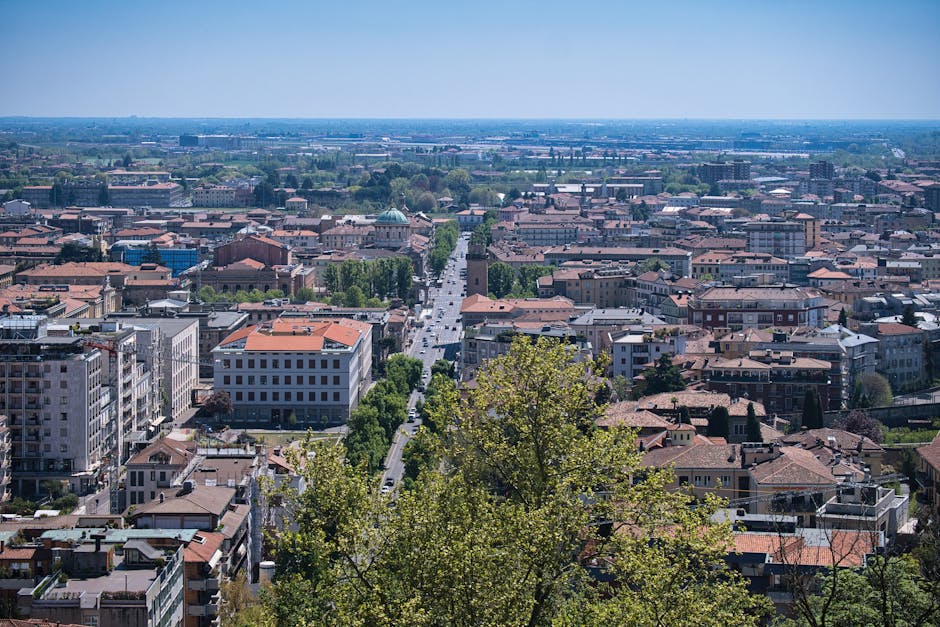
Modena still carries the echo of Luciano Pavarotti’s voice. Born and raised in this Emilia city, the tenor left behind not only recordings that traveled the world but also personal items, stage costumes, annotated scores and archives that tell the story of an artist who became a legend. For the curious traveler, a pilgrimage through Pavarotti-related sites in Modena is both a cultural and emotional experience: it’s less about collecting relics than understanding the family, urban and artistic context that shaped the voice and personality of the “King of Tenors.”
This practical guide, written for those who want to plan an informed and immersive visit, outlines the main places to view, study or buy Pavarotti memorabilia in Modena. It includes exact addresses, useful opening hours, indicative prices and local tips to help you make the most of your visit. Whether you’re planning a quick stop or a multi-day stay, you’ll find recommendations here for seeing stage costumes at the Museo Casa Natale, accessing the archives of the Luciano Pavarotti Foundation, attending a performance at the Teatro Comunale Luciano Pavarotti, and information about the museum shop and temporary exhibitions.
Seeing Pavarotti’s objects isn’t limited to display cases: it also involves feeling the places of his youth, the cafés where he liked to listen to music, the workshops where costumes were made, and the walking routes that connect these sites. We also cover practical matters — bookings, tickets, transport — and conservation tips for any souvenirs you might bring home. The aim is to provide a comprehensive, detailed overview in one document to help you prepare your cultural trip to Modena.
Before diving into the details, keep two local tips in mind: 1) book guided visits in advance, especially in high season (April–October), as spaces holding personal archives often limit public access; 2) allow quiet moments to fully appreciate the displays and recordings: listening to an aria in the dim light of a museum can change the whole experience. Now, let’s explore the must-see sites, the archives, the exhibitions and the resources for collectors and enthusiasts.
1) Museo Casa Natale Luciano Pavarotti — His birthplace museum and its treasures
The Museo Casa Natale Luciano Pavarotti is the essential stop to see the tenor’s personal items. Located in Modena’s historic quarter, this house-museum preserves childhood keepsakes, family photos, stage costumes, original scores and letters. Official address: Museo Casa Natale Luciano Pavarotti, Stradello Nava 40, 41121 Modena, Italia.
Opening hours: Tuesday to Sunday, 10:00–18:00 (last entry 17:15). Closed on Mondays. Indicative prices: full ticket €8.00, reduced €5.00 (students, seniors), free for children under 6. Audio guides in several languages (Italian, English, French, German, Spanish) are available for an additional €3.00. Tickets can be purchased online via the museum website or at the ticket office, but themed guided tours (costumes, annotated scores) require prior booking and may carry an extra fee of around €10.00 per person.
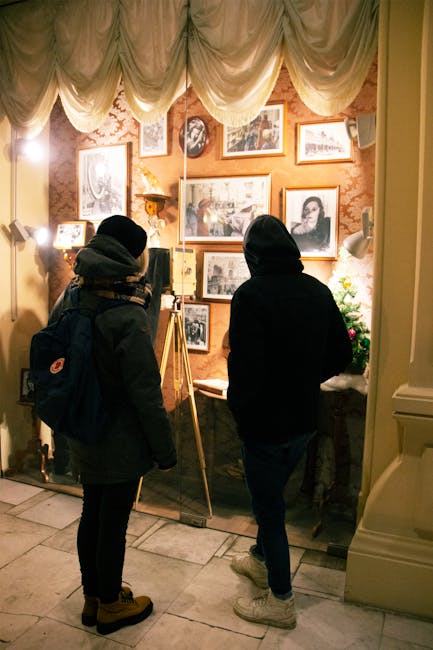
Immersive description: when you step in, you feel the warmth of a family home — furniture, dishes, everyday objects — which contrasts with the grandeur of the stage costumes displayed in an adjoining room. One highlight is the case holding the Rodolfo costume from La Bohème that Pavarotti wore during a European tour in the 1980s: it’s been carefully restored and displayed alongside a transcription of the handwritten musical annotations by Pavarotti. The museum also shows original recordings and rehearsal footage, projected in a small audiovisual room that brings the intensity of his performances to life.
Local tips: for a more intimate experience, ask for the « Dietro le quinte » (behind the scenes) guided tour, which explains how Pavarotti prepared a role. Allow about 1h30 on site. If you’re a photographer, check at the entrance: handheld photography is generally allowed without flash, but archive areas may prohibit photography.
2) Fondazione Luciano Pavarotti — Archives, research and temporary exhibitions
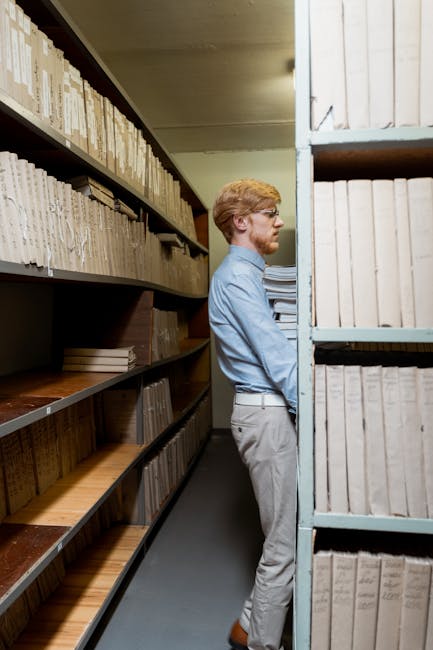
The Fondazione Luciano Pavarotti is a key institution for researchers and more demanding visitors. It holds more extensive archives: autograph scores, professional correspondence (opera directors, stage directors, conductors), master recordings and touring artifacts. Address: Fondazione Luciano Pavarotti, Via San Carlo 23, 41121 Modena, Italia.
Opening hours: Monday to Friday, 9:00–13:00 and 14:00–17:00 (archive consultations by appointment). The archive consultation service is strictly by appointment and intended for researchers; public access is provided through temporary exhibitions announced on the Foundation’s website. Prices: tickets for temporary exhibitions vary (typically €6.00–12.00). Academic consultations may incur administrative fees of roughly €20.00–50.00 depending on the volume requested and the time needed.
Immersive description: the foundation occupies a modern building with climate-controlled spaces where sensitive materials are stored. Researchers can listen to remastered recordings on site, consult reproductions of scores and touring files. The temporary exhibition room frequently hosts international loans: concert photos from abroad, original posters and documentary films. Display cases trace the history of Pavarotti’s world tours and show how he became a cultural phenomenon beyond Italy.
Local tips: if you’re preparing academic work, send a detailed request at least 4–6 weeks before your visit (email address available on the foundation’s website). Digital copies of documents can be provided on request, but some restrictions apply due to copyright. For non-research visitors, check the exhibition calendar: the foundation sometimes organizes public lectures and screenings — a great way to put the displayed objects into context.
3) Teatro Comunale Luciano Pavarotti and performance venues
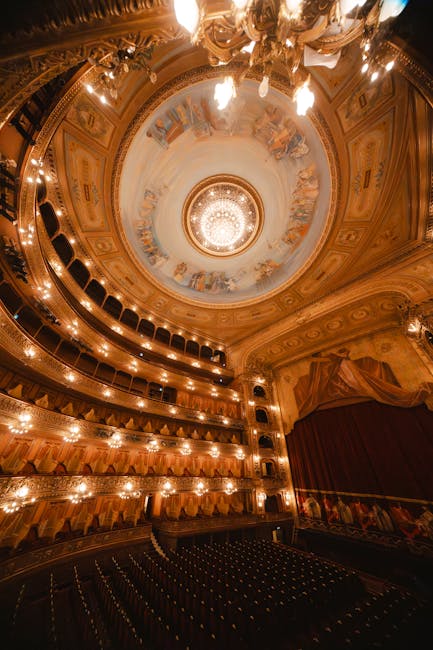
Modena, a true opera city, has several stages linked to Pavarotti’s career. The main theater now bears his name: Teatro Comunale Luciano Pavarotti, Piazza Roma 7, 41121 Modena, Italia. This venue hosts operas, recitals and commemorative events.
Box office hours: the box office is open Tuesday to Saturday, 10:00–13:00 and 16:00–19:00; on performance days the box office opens two hours before curtain. Prices vary greatly depending on the event — from €15.00 for a local concert to €120.00 or more for premium seats at a gala. The theater also offers guided tours of the building (architecture and backstage) for €10.00 per person; reservations are required via the theater’s website.
Immersive description: attending a performance or touring the Teatro Comunale backstage lets you feel Pavarotti’s stage legacy. The boxes, wood paneling and the foyer sometimes display historic photos of performances featuring the tenor. On certain anniversary events, programming includes clips from filmed recitals and tributes, occasionally featuring former colleagues of Pavarotti. Local guides share anecdotes about rehearsals Pavarotti held in Modena, adding a human dimension to the legend.
Local tips: for the fullest immersion, buy a seat in the side balconies — the acoustics are excellent and the atmosphere feels closer to Modena’s operatic soul. If you visit during the opera season (autumn and spring), book several weeks in advance. Also look into pre-performance meet & greets or talks sometimes held before shows, where musicians and musicologists discuss Pavarotti’s work.
4) Shops, antique dealers and markets in Modena — Buy an authentic souvenir
In addition to museums and the foundation, Modena offers several ways to buy authentic Pavarotti-related souvenirs: score reproductions, vintage concert programs, posters, original vinyl records and signed books. Here are some useful addresses:
- Libreria Universitaria Modena — Via Università 4, 41121 Modena. Opening hours: Monday–Friday 9:00–19:00, Saturday 9:00–13:00. You’ll find musical monographs and sheet music. Prices for scores: €10.00–50.00 depending on the edition.
- Mercato Antiquario di Modena (antique market) — Lungagnina del Canal Chiaro, monthly events on the first Sunday of the month. Here you can find programs and posters priced around €5.00–40.00 depending on condition.
- Vinyl & Books Shop — Dischi e Libri — Via Luigi Roversi 12, 41121 Modena. Opening hours: Tuesday–Sunday 10:00–19:30. Prices for original Pavarotti vinyls: €15.00–80.00.
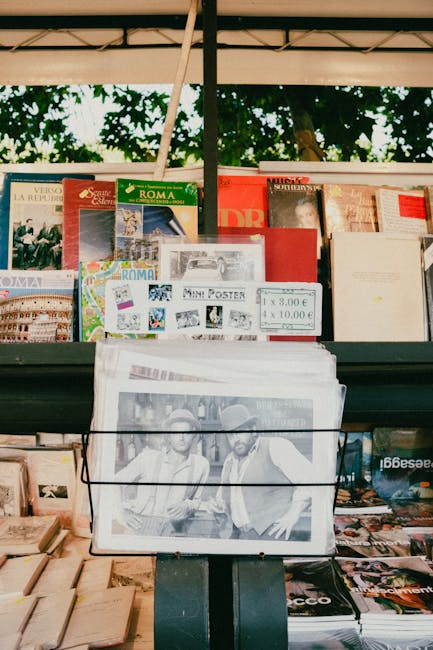
Immersive description: wandering the stalls of an antiques market in Modena can lead to delightful finds. A yellowed but complete opera poster from the 1970s or a signed program by Pavarotti offers a tangible link to his era. Local booksellers are often invaluable guides: they know which poster issue or score edition collectors seek and can advise on value and authenticity.
Local tips: always ask for a certificate of authenticity when buying a signed document — reputable sellers will include proof of origin. For vinyl, check the condition of the grooves and whether the original sleeve is present. And don’t be shy to haggle: bargaining is common at markets and with some dealers, especially if you’re buying multiple items.
Conclusion — Planning your trip to Modena to follow Pavarotti’s trail
Visiting Modena to follow Luciano Pavarotti’s trail means engaging with a living memory: from personal mementos to institutional archives, each place reveals a different facet of his life and career. The Museo Casa Natale Luciano Pavarotti provides an intimate, almost domestic perspective; the Fondazione Luciano Pavarotti offers valuable archival resources for research; the Teatro Comunale Luciano Pavarotti embodies the space of performance and collective memory; and shops and markets let visitors leave with a tangible, contextualized souvenir.
Practical: plan your itinerary around museum and theater hours, book guided visits in advance, and combine your route with other Modena attractions (Modena Cathedral, the Ducal Palace, local cuisine). For collectors and researchers, the Foundation is an invaluable but administratively demanding resource: anticipate lead times. For a lighter visit, the museum and theater both deliver compelling experiences without heavy preparation.
Finally, don’t forget the emotional side: standing before a costume, listening to an original recording or leafing through a letter helps you understand how a popular artist retains his human greatness. Modena offers this rare combination — the proximity of a birthplace and professional conservation of an artistic legacy. Whether you’re a seasoned music lover, a researcher, a collector or a curious traveler, Modena awaits with a rich, educational and deeply human experience around the legend that was Luciano Pavarotti.