





Introduction — Gastronomy Week in Modena: balsamic, pasta and night markets
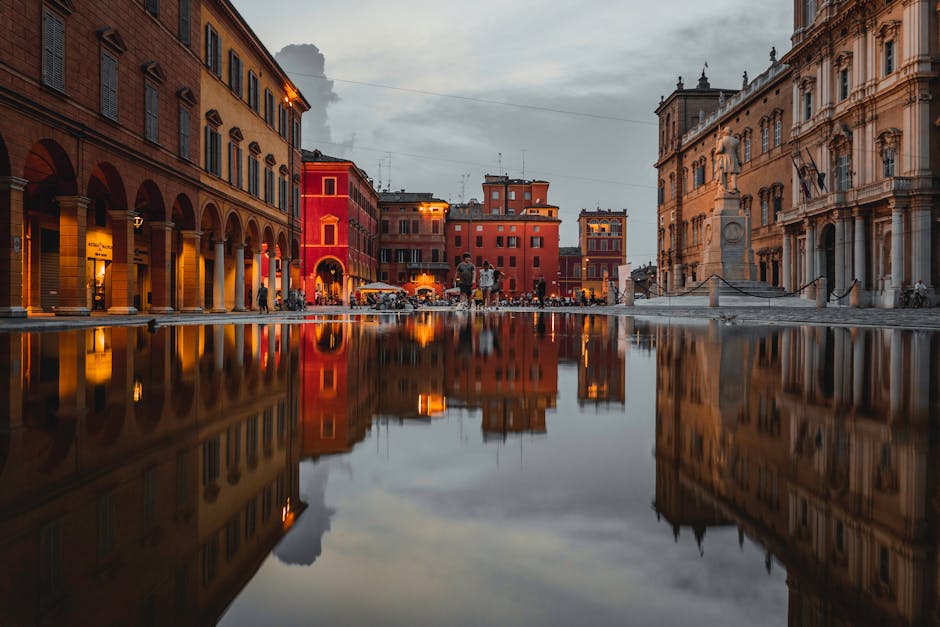
Modena is a city where food is heritage, craft and collective memory. During a week dedicated to gastronomy, this Emilia city becomes a sensory lab: aged vinegars, hand-rolled fresh pasta, market stalls overflowing with local produce and lively night events where tastings and conversations set the city’s rhythm. This themed week does more than put special menus on display — it tells the story of a landscape and its past, from the vine- and oak-studded hills to the acetaia workshops where flavour is slowly made.
This article is a complete guide to getting the most out of Gastronomy Week in Modena: where to go, what to taste, which workshops to pick, how to plan acetaia visits (traditional balsamic vinegar houses), where to find the region’s best pasta and which night markets you shouldn’t miss. You’ll find exact addresses, typical opening hours, indicative prices in euros, immersive descriptions of places and local tips to optimize your stay. It’s for everyone — curious travellers, seasoned foodies and professionals looking to connect with producers — and aims to be both practical and evocative.
Modena’s cuisine is built around simple ingredients and age-old know-how: quality meats, cured charcuterie, Parmigiano Reggiano, citrus and above all Aceto Balsamico Tradizionale di Modena (traditional balsamic vinegar of Modena), a protected and revered product. Unlike the common balsamic condiment you’ll find in supermarkets, traditional balsamic is produced in small quantities, aged in a sequence of barrels and judged with the seriousness of a fine wine. During Gastronomy Week, many acetaie open their doors for guided tours and private tastings, often by reservation.
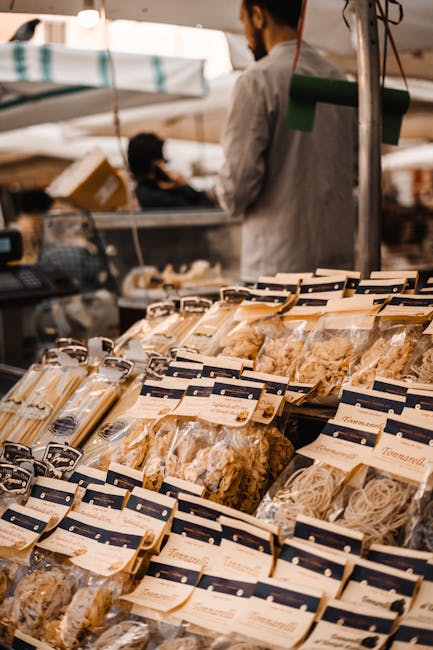
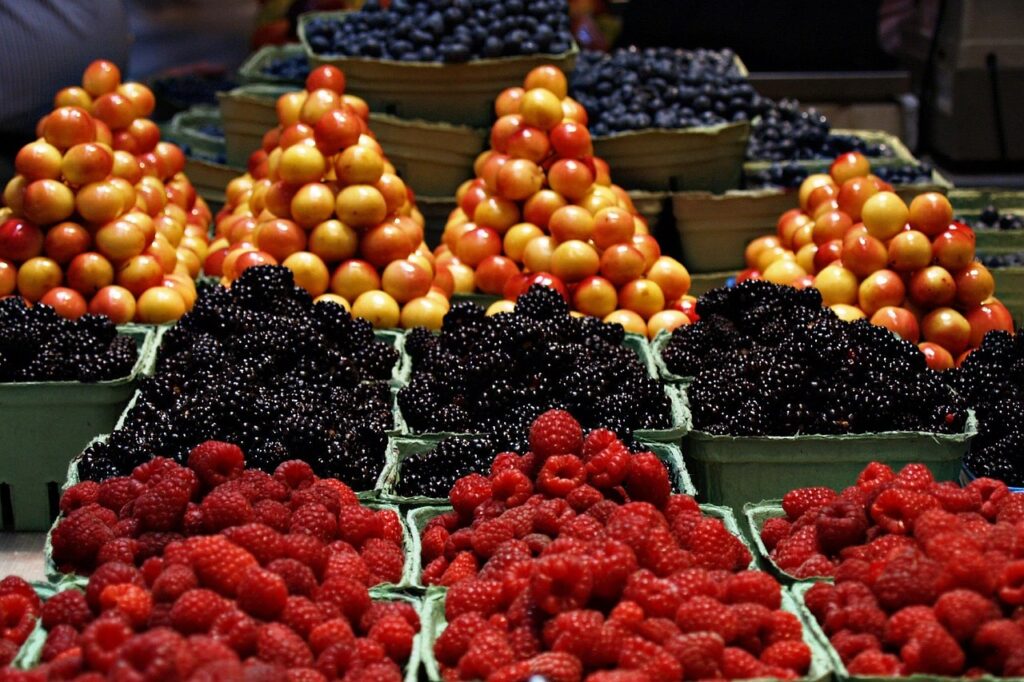
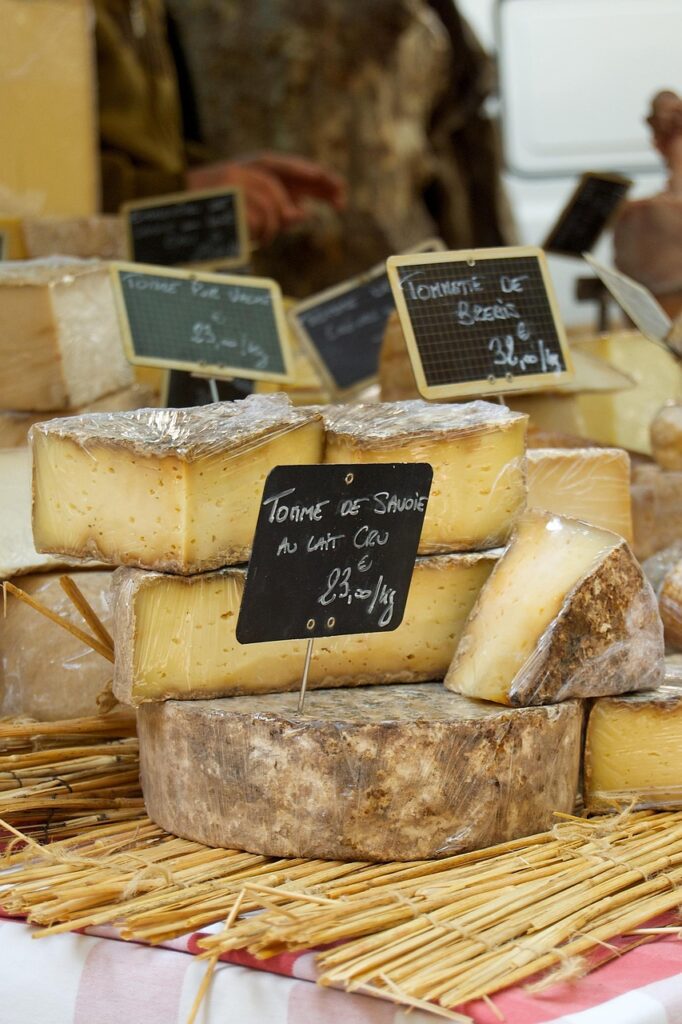
In the city’s heart, markets like Mercato Albinelli become meeting places where producers and artisans display cheeses, cured meats, fresh pasta, vegetables picked that morning and seasonal baskets. At night, the markets transform: lit stalls, light concerts and street-food offers built around local products — al dente pasta, tigelle and gnocco fritto paired with balsamic. Restaurants, from family-run trattorie to starred dining rooms, put together special menus and balsamic-and-pasta pairings, sometimes including masterclasses led by local chefs.
This guide will lead you through hands-on experiences: a museum dedicated to balsamic vinegar, a tasting at a traditional producer in Spilamberto, a fresh pasta-making session at a cookery school, a stroll through Mercato Albinelli (Via Luigi Albinelli, 5) and nights at the old town’s night market. You’ll also get practical tips on typical prices (tours €10–35, tasting menus €40–250 depending on level), common opening hours, booking rules and tasting tricks to spot a genuine traditional balsamic.
Get your appetite and senses ready: Modena offers a week where every flavour tells a story. Follow the sections below to plan your days and nights and to experience authentic, delicious moments around balsamic, pasta and night markets.
Aceto Balsamico Tradizionale: museums, acetaie and immersive visits
The beating heart of Gastronomy Week is Aceto Balsamico Tradizionale di Modena. To truly understand it, you have to visit the places where it’s born and aged: museums, family acetaie and ageing cellars. The Museo del Balsamico Tradizionale is an ideal educational starting point. Address: Museo del Balsamico Tradizionale, Via F.lli Rosselli 5, 41057 Spilamberto (MO). Indicative opening hours: Tuesday to Sunday 10:00–13:00 and 15:00–18:00; closed Monday. Entry fee: around €8–12 for a standard visit, with guided tours and tastings from €15–25 depending on the formula.
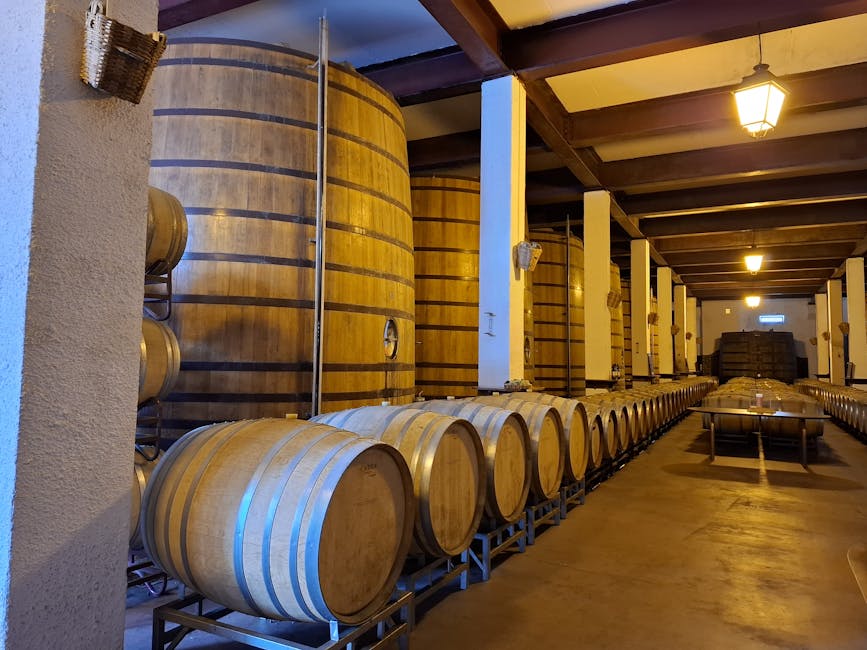
Several acetaie (production houses) open their doors during the week. Among the most sought-after are Acetaia Maria Catapano (an example of a traditional acetaia — reservation required) and Acetaia Giuseppe Giusti (a well-known historic family producer); these visits usually last 60–90 minutes and include a walk through the bodega where successive barrel sets stand and a tasting of balsamics of different ages. Typical prices for guided tours with tasting: €15–35 per person. Possible tour times: 10:00, 11:30, 15:00 and 17:00 (varies by season and availability).
Immersive description: stepping into an acetaia is entering an intimate space filled with woody aromas and concentrated sweetness. The wooden barrels (oak, cherry, mulberry, ash) form a small forest where the dark liquid gains body and complexity year after year. Producers often speak of family transmission: each barrel has a name, an entry number and a story; some batches may be the result of exceptional harvests, occasionally vintage-labeled, and only the very best years become « extravecchio » (very old) — the bottle that ends up on a celebration table.
Practical tips: book in advance (at least 7–10 days in high season) by phone or email; arrive 10–15 minutes before your slot; bring a small notebook to jot down aromas and ages. When buying, use the acetaia shop: prices rise with age and quality — a small 100 ml bottle of traditional balsamic can cost €40–150 and go much higher for collectible formats. If you prefer a more accessible option, taste different balsamics alongside a plate of Parmigiano Reggiano (€20–40 per kilo in shops) to appreciate how they complement each other.
Pasta and hands-on workshops: from tagliatelle to tortellini, learn and taste
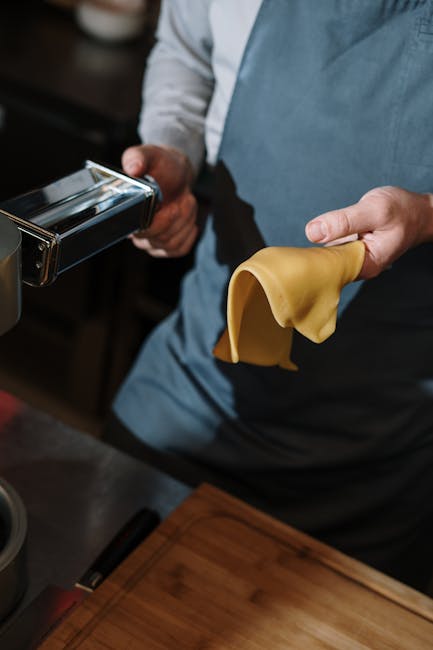
Emilia-Romagna is the cradle of fresh pasta: tagliatelle, tortellini, tortelloni, lasagne… During Gastronomy Week, cookery schools and trattorie run hands-on workshops teaching dough-making, rolling, cutting and traditional filling methods. A typical class runs 1.5–3 hours and blends theory, practice and tasting. Examples of places offering workshops: Academia di Cucina Modenese (workshop locations in Modena city centre — reservations recommended) and cookery schools like « Cook&Play Modena » (locations vary; check their sessions during the week).
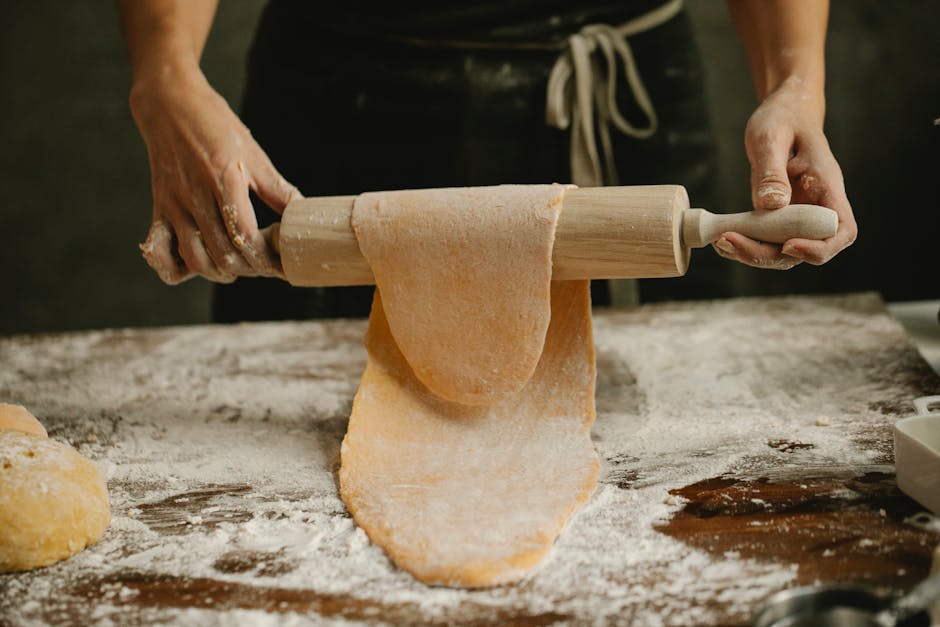
Recommended workshop description: you learn the dough basics — 00 flour, semolina or a blend depending on the recipe; proportions, kneading and resting times. Then you move on to cutting tagliatelle and shaping tortellini — each participant typically makes 20–30 pieces under the chef’s expert eye. Classes often include a pairing with a local wine (Lambrusco or Pignoletto) and an on-site tasting. Indicative prices: €35–80 per person depending on length and whether wine is included. Common schedules: morning sessions (10:00–12:00) or evening classes (18:00–20:00) to suit visitors.
For a more gastronomic experience, some trattorie offer tasting menus centred on handmade pasta: for example, a three-course pasta menu (starter, two pasta dishes, dessert) can cost €30–60 per person in a traditional trattoria, while a starred chef like Osteria Francescana (Via Stella, 22, 41121 Modena MO) charges far higher prices (expect €220–350 per person for full tasting menus, often with long reservation lead times). If you’re on a budget, don’t miss small osterie and local bakeries selling fresh pasta to take away for €6–12 per kilo or individual portions for €4–10.
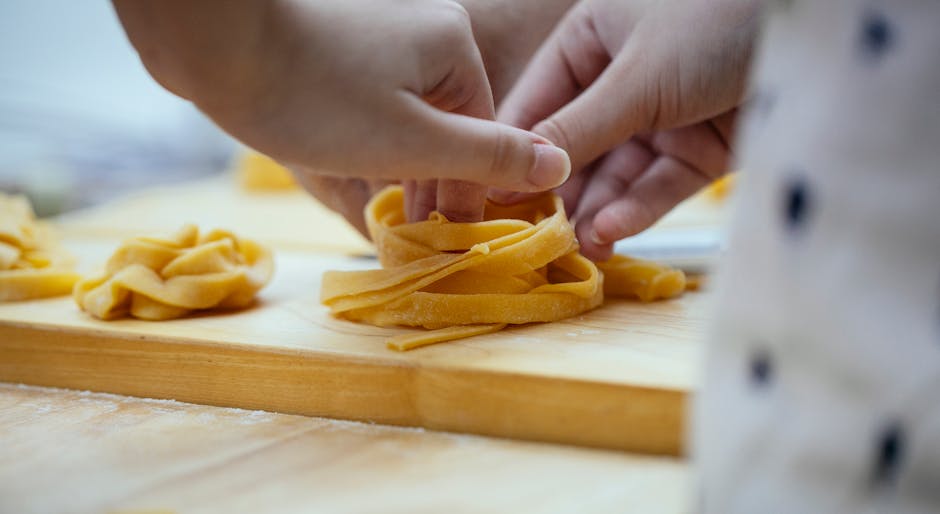
Local tips: wear comfortable clothes you don’t mind getting a little floury; bring a reusable bag if you buy fresh pasta or artisanal products at the market; check whether children are allowed in the workshops (many are family-friendly). Finally, pair your pasta with a quality balsamic — a few drops can turn a simple plate into a memorable experience.
Day and night markets: Mercato Albinelli, night markets and tasting trails
Markets are Modena’s pulse. The most emblematic is Mercato Albinelli, a historic indoor market right in the city centre. Address: Mercato Albinelli, Via Luigi Albinelli, 5, 41121 Modena MO. Usual hours: Tuesday to Saturday 07:00–14:00; some stalls also open Sunday morning (variable). Entry is free and strolling is free; expect to pay for purchases: a charcuterie platter or a chunk of Parmigiano Reggiano will cost between €5 and €20, while a portion of takeaway pasta or local street food is typically €4–12.
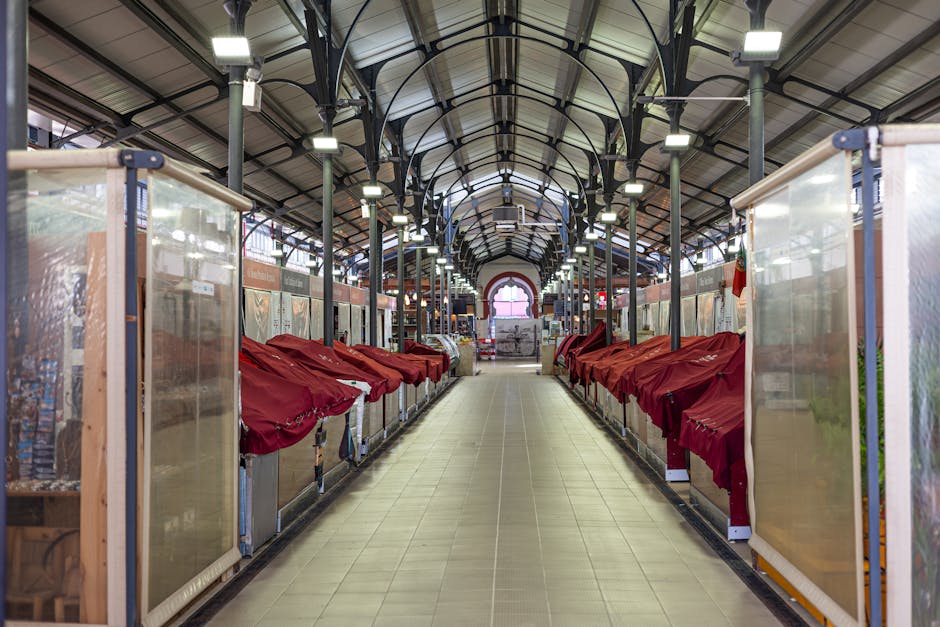
Immersive description: wandering through Mercato Albinelli feels like discovering the promise of simple, seasonal cooking. Stallholders will tell you about their producers, recommend a cut of prosciutto, explain vegetable seasonality or offer you taschen (local little treats). It’s also the perfect place to assemble an exceptional picnic: regional bread, mortadella, cheeses and a few drops of balsamic to tie it all together.
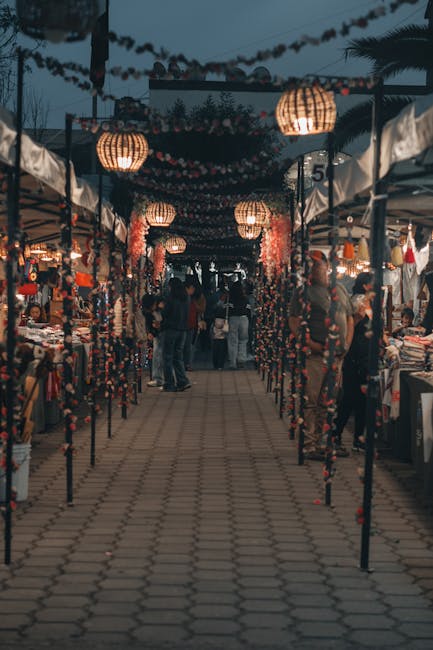
Gastronomy Week also brings night markets — events often held in squares like Piazza Grande, Piazza XX Settembre or along Via Emilia Centro. These night markets typically run from 18:00 to 24:00 and feature local product stalls, cooking demos and small music stages. Entry is usually free; prices for food vary: tapas and tasting portions €3–12, more elaborate plates €12–25. During these evenings you’ll often find food trucks offering local street-food versions (tigelle, gnocco fritto) at €3–8 each.
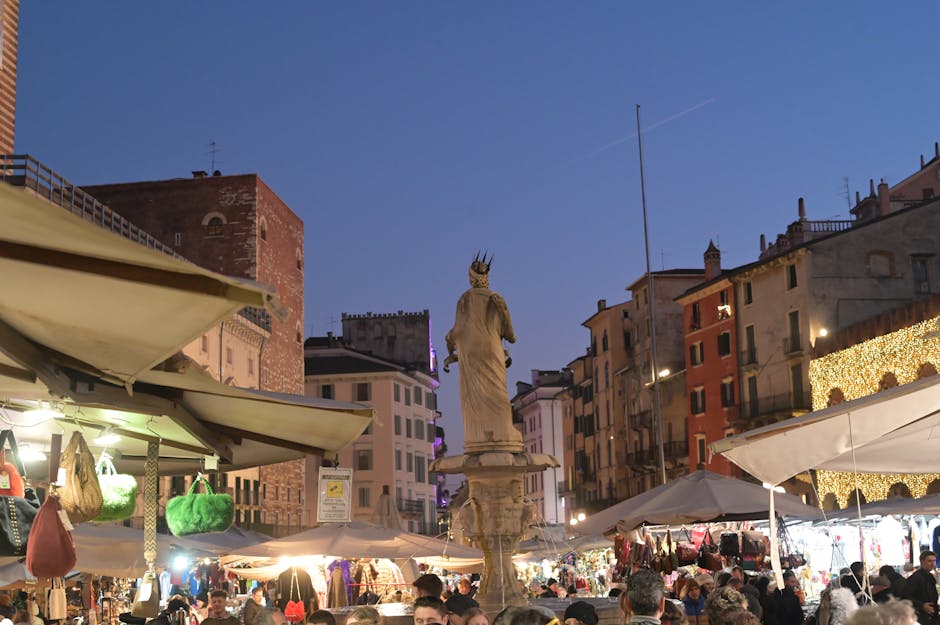
Practical tips for night markets: arrive early if you want to join workshops, as they often fill up. Bring cash (some stalls don’t accept cards) and take advantage of degustazione menus that combine several small portions so you can taste a wide range. Look out for DOP/PGI-labelled producers (Parmigiano Reggiano, Prosciutto di Modena) to ensure quality and authenticity.
Restaurants, osterie and starred experiences: choosing by budget
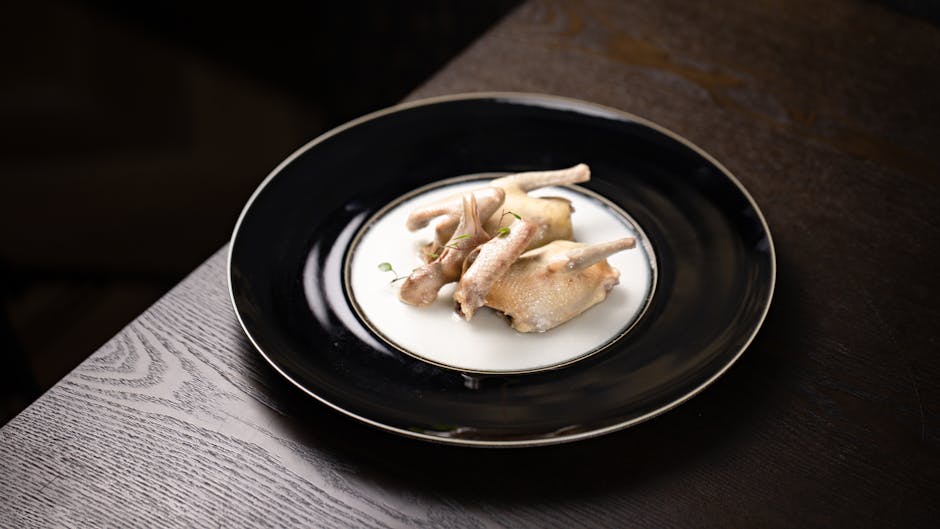
Modena has a thousand gastronomic faces: from family osterie to haute cuisine temples. One of the most famous is Osteria Francescana (Via Stella, 22, 41121 Modena MO), helmed by chef Massimo Bottura. Hours and booking: lunch and dinner service depend on the restaurant’s calendar; reservations are essential weeks or even months in advance. Prices: tasting menus often range between €220 and €350 per person (depending on formula and wine). While the experience is extremely refined, Gastronomy Week can open doors to more accessible options as some chefs offer special menus or pop-up events.
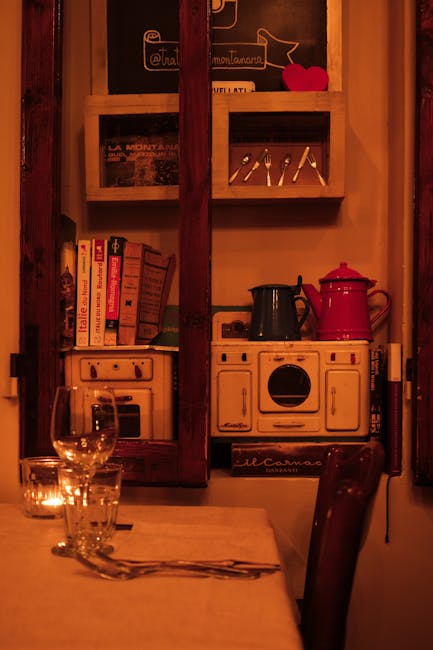
For more economical yet authentic experiences, look for neighbourhood trattorie and osterie. Examples: Trattoria Aldina (Via Canalino di Mezzo 3 — address indicative: verify on site), Osteria Stallo del Pomodoro (local addresses vary) — these places serve traditional dishes (tagliatelle al ragù, tortellini in brodo) for €12–30 per main, full menus €25–50. Family-run trattorie often share tips on the best balsamics and local producers to visit.
Tips for choosing by budget:
- Tight budget (under €25): local pizzas, market stalls, pasta dishes from small trattorie, street food (tigelle and gnocco fritto).
- Mid-range (€25–70): full menu in a recognised trattoria, pasta workshop with tasting, dinner with balsamic pairings at a local restaurant.
- High-end (€70+): gastronomic dinners or starred tasting menus, premium wine pairings, private tasting at a renowned acetaia.
Booking and hours: most restaurants serve lunch 12:00–14:30 and dinner 19:30–22:30. During event periods (Gastronomy Week), check online or call — some restaurants add services or change hours. Local tip: always ask your server if there’s a « piatto del giorno » (dish of the day) or a producer recommendation; it’s often the best value.
Suggested one-week itinerary: planning your days and nights
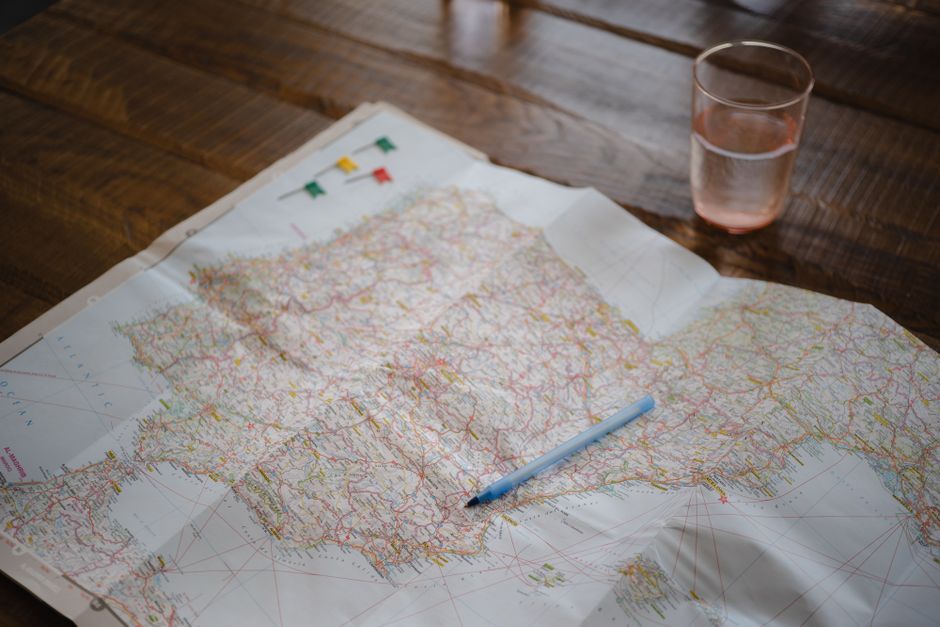
Here’s a structured itinerary to make the most of Gastronomy Week in Modena, mixing workshops, acetaia visits, markets and dinners. The plan below is flexible to fit your pace.
- Day 1 — Urban discovery: Morning at Mercato Albinelli (Via Luigi Albinelli, 5) for a savoury breakfast: cappuccino and focaccia, then a walking tour of the historic centre (Duomo di Modena, Piazza Grande). Lunch at a trattoria (€15–25). Evening free at the night market (if scheduled) for tapas and first impressions (18:00–24:00).
- Day 2 — Pasta workshop: Book a pasta workshop (10:00–12:00 or 18:00–20:00), then enjoy your tasting. Afternoon stroll and visit to the Museo Enzo Ferrari (Via Paolo Ferrari, 85, 41121 Modena MO; hours 09:30–18:00 depending on season; entry €17–20). Dinner at an osteria (€25–50).
- Day 3 — Acetaia and tasting: Trip to Spilamberto for the Museo del Balsamico Tradizionale (Via F.lli Rosselli 5, 41057 Spilamberto) and a visit to an acetaia (book morning slots; €15–35). Return to town for a balsamic-focused dinner (€30–80).
- Day 4 — Markets and shopping: Morning shopping at the market, join a masterclass on balsamic-and-cheese pairings. Afternoon free for purchases (bottles of balsamic €40–150+). Evening: night market or dinner at a recommended trattoria.
- Day 5 — Starred gastronomy or special events: If you want a high-end experience, book Osteria Francescana or an equivalent (Via Stella, 22); otherwise choose pop-up events of the week (vertical tastings, talks).
- Day 6 — Relax and local discoveries: Walk in less-touristy neighbourhoods, meet small producers (cheesemaker, baker), join a sweet workshop (local pastries). Evening free.
- Day 7 — Last buys and departure: Return to the market for final purchases, visit a speciality vinegar shop for a vintage bottle before you leave.
To plan this itinerary, remember: book acetaie and workshops in advance, carry balsamic bottles in cabin baggage if possible (check airline rules), and keep cash for markets. Keep your schedule flexible: summer and winter hours differ, and events can be added to the programme at short notice.
Practical tips, budgets and local recommendations
Indicative budget for a week of food-focused travel in Modena:
- Visits and workshops: €10–80 per activity.
- Meals: breakfast €3–8, lunch €10–25, dinner €25–350 (depending on venue).
- Shopping (balsamic, cheese, cured meats): balsamic bottle €40–150+, Parmigiano Reggiano €15–25 / kg in shops, charcuterie €15–30 / kg depending on quality.
- Local transport: urban bus ticket €1.50–2.00, taxis or ride-hailing vary.
Health and logistics recommendations:
- If you’re a fan of traditional aceto, know that production volumes are limited; plan to buy quickly if a bottle tempts you.
- Respect producers’ rules: photos may be restricted in bodegas, and don’t touch barrels without permission.
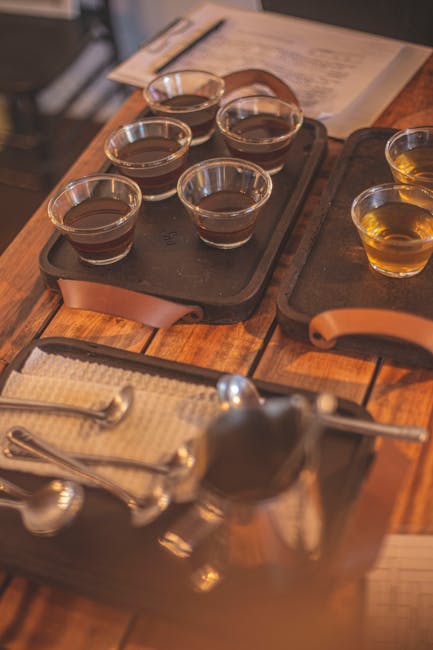
- To taste balsamic properly, start with the younger (more acidic) ones and move to the older (sweeter, syrupy) ones. Use small spoons and rinse with water between tastings.
- For workshops, confirm the languages offered (Italian/English) and minimum age if you’re travelling with children.
Safety and environmental tips: favour buying directly from producers and certified stalls to fight counterfeits. Bring reusable bags and carefully wrap any bottles to avoid breakage. Finally, take part in responsible events: some markets and workshops include zero-waste practices or promote organic producers.
Conclusion — Experiencing Gastronomy Week in Modena: a full sensory commitment
Gastronomy Week in Modena is an invitation to slow down and trust the timing of flavour. Between the smoky cellars of the acetaie, flour-dusted hands in pasta workshops and the convivial atmosphere of night markets, every moment brings a deeper understanding of the region’s culinary identity. It’s not just a string of events: it’s an educational and emotional journey linking product, producer and consumer.
To make the most of the week, combine technical visits (acetaie and museums) with hands-on experiences (pasta workshops, masterclasses), alternate simple meals with a few more elaborate dinners and let the market atmosphere guide you. Set your budget according to priorities — a few targeted purchases (a bottle of traditional balsamic, a wedge of Parmigiano Reggiano, one workshop session) often deliver more satisfaction than a spree of impulse buys.
When you leave, take with you not just bottles and souvenirs but knowledge: how to recognise a good balsamic, how to work pasta dough, why a simple dish becomes sublime thanks to a local ingredient. The addresses mentioned here — Mercato Albinelli (Via Luigi Albinelli, 5), Museo del Balsamico Tradizionale (Via F.lli Rosselli 5, Spilamberto), Museo Enzo Ferrari (Via Paolo Ferrari, 85), and Osteria Francescana (Via Stella, 22) — are useful anchors for building your itinerary. Still, check opening hours and book ahead depending on the season.
Finally, remember that the best way to enjoy Modena during Gastronomy Week is to strike up conversations: with stallholders, chefs, winemakers and acetaia masters. They’re the keepers of precious skills and usually happy to share tips, anecdotes and recommendations for off-the-beaten-track producers. Have a great Gastronomy Week — Buon appetito and happy discoveries!