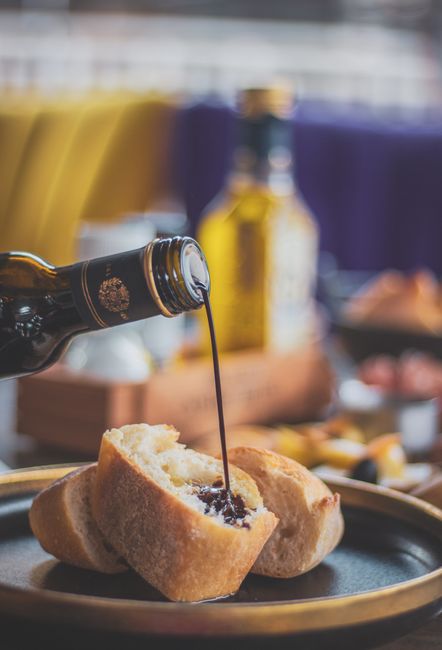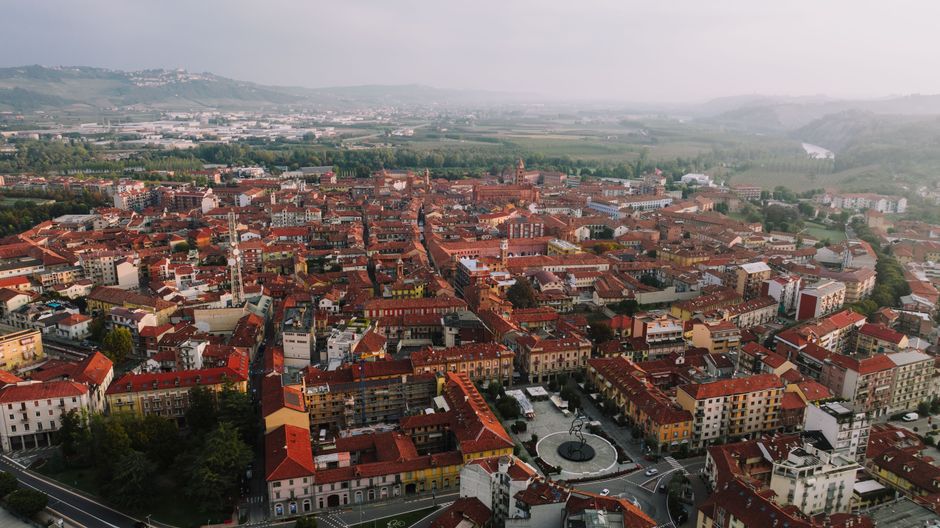






Introduction — One day to discover Modena’s traditional acetaie
Modena is an Italian city that perfectly blends terroir, craftsmanship and history. Hidden in this province is a world-famous culinary treasure: Aceto Balsamico Tradizionale di Modena — a complex condiment, aged in wooden barrels and produced using family methods that have been handed down for generations. This article maps out a one-day route to visit several traditional acetaie near Modena, understand how they make balsamic, taste exceptional bottles and come home with both souvenirs and stories.
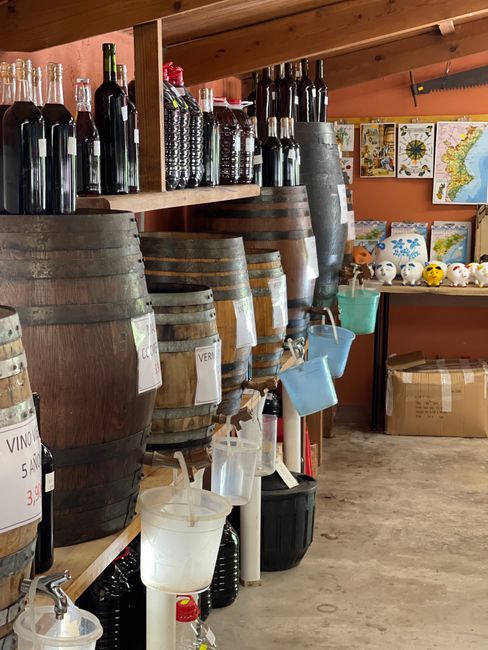
Visiting an acetaia is like stepping into a time lab. The barili (barrels) made of oak, cherry, ash and elm tell tales of decades of temperature shifts, slow evaporation and aromatic transfers. Each acetaia has its own ciclo di invecchiamento (aging cycle), a chain of barrels in decreasing sizes — the famous “scala dei barili” — where concentrated cooked grape must (mosto cotto) meets older vinegar, evolves and improves year after year. The experience isn’t just about taste: it’s visual, olfactory and tactile, an immersion in a tradition where patience is the main raw material.
From central Modena you can comfortably visit 3 to 5 carefully chosen acetaie in a single day, alternating guided tours and tastings and fitting in a local lunch. This guide gives you an optimized route, practical info (exact addresses, opening times, prices), immersive descriptions of each place and essential local tips — how to book, what to buy, rules for transporting rare bottles and how to read an Aceto Balsamico Tradizionale di Modena D.O.P. label. Real experiences usually start with a reservation: most acetaie open by appointment and limit visitors to preserve the intimacy and cleanliness of their cellars.
Before you go, note that Aceti Tradizionali di Modena with D.O.P. status come in two official types: Aceto Balsamico Tradizionale di Modena D.O.P. “Affinato” (aged, minimum 12 years) and “Extravecchio” (very old, minimum 25 years). Prices vary hugely: expect roughly €60–€200 for a 100 ml bottle depending on age, house and rarity. Many acetaie sell smaller tasting bottles (25–50 ml) at proportionate prices, and guided tours with tastings typically cost around €10–€30 per person. The best seasons to visit are spring and autumn, when temperatures are mild and the acetaie are fully active — but visits are enjoyable year-round.
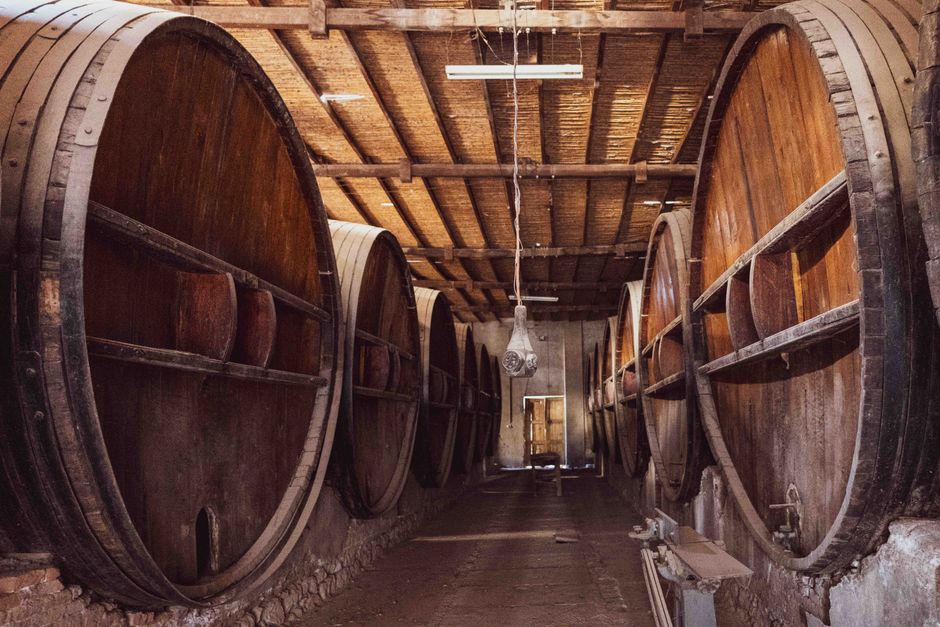
1) Acetaia Giuseppe Giusti — History, tour and tasting
Acetaia Giuseppe Giusti is one of Modena’s oldest producers of traditional balsamic and a must-see for anyone wanting to understand the craft. Address: Acetaia Giuseppe Giusti, Via Luigi Carlo Farini 18, 41121 Modena MO, Italy. Opening hours: guided tours by appointment Monday–Saturday, 09:00–17:00 (last tour at 16:00). Closed on Sundays except for groups on request. Price: guided tour + tasting €20 per person (indicative); private tours on request €60–€120 depending on group size and duration. On-site shop carries D.O.P. bottles from 100 ml starting around €80 (Affinato) up to €350+ (Extravecchio); 25–50 ml bottles range roughly €20–€120.
Tours usually start in the reception room where a small family museum retraces the house’s history. You’ll then be led into the historic cellars — a network of low-ceilinged, humid but impeccably clean rooms where rows of barrels form an almost architectural landscape. Explanations focus on grape selection (often Trebbiano and Lambrusco for the must), cooking the must, fermentation, racking into barrels and the succession of woods used. You’ll see the “scala dei barili”: barrels stacked from largest to smallest, enabling progressive concentration through evaporation.
The tasting is formal and educational. You’ll be presented with samples of different ages: a younger sample for comparison, an Affinato (minimum 12 years) and an Extravecchio (minimum 25 years). Tasting notes are broken down: sweetness, balanced acidity, aromatic complexity (wood, caramel, dried fruit), and viscosity. Local tips: taste before you buy, ask for the bottle’s backstory (the year it was bottled), and opt for a numbered small D.O.P. bottle as a keepsake. Important for travel: wrap bottles in clothing or bubble wrap, and declare them if you’re flying (oils/condiments are usually accepted in checked luggage).
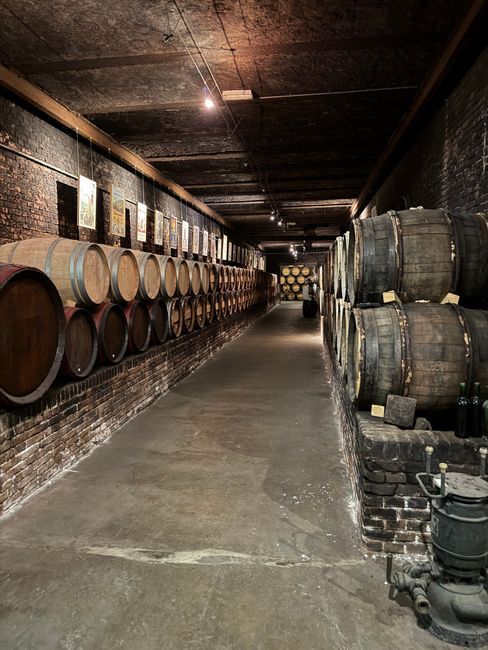
2) Acetaia Malpighi (Spilamberto) — Family craft and an educational route
Acetaia Malpighi is based in Spilamberto, a town a few minutes southwest of Modena, known for its cluster of family-run acetaie. Address: Acetaia Malpighi, Via Malpighi 18, 41057 Spilamberto (MO), Italy. Opening hours: guided tours Tuesday–Saturday, 10:00–13:00 and 14:00–17:00; closed Sundays and Monday mornings. Price: guided tour + tasting €15–€25 per person; “mini-blend” workshops (create your own small blended bottle) €40–€70. Shop: 100 ml bottles from about €45 (visitor-only versions) up to €220 for older blends.
Malpighi’s strength is its pedagogy: interactive workshops, clear explanations of the difference between everyday balsamic and D.O.P. tradizionale, and demonstrations of historical tools (torchio, tino, etc.). Visitors move through display rooms where illustrated panels and samples let you physically follow each production step. The cellars, often gently warmed by ambient heat and human presence, release the sweet, coppery aroma of concentrated must. Owners or guides — often family descendants — share anecdotes, like how a year’s weather can shape a vintage’s profile.
Practical tips: if you drive, parking is available on site; if you take the train, Spilamberto is easy to reach from Modena station (regional train, then taxi). The mini-blend is a unique souvenir: for about €40–€70 you leave with a personalized 50 ml bottle blended and sealed in front of you — a great gift. When buying, ask for D.O.P. certificates or municipal markings: those are the guarantees of authenticity.
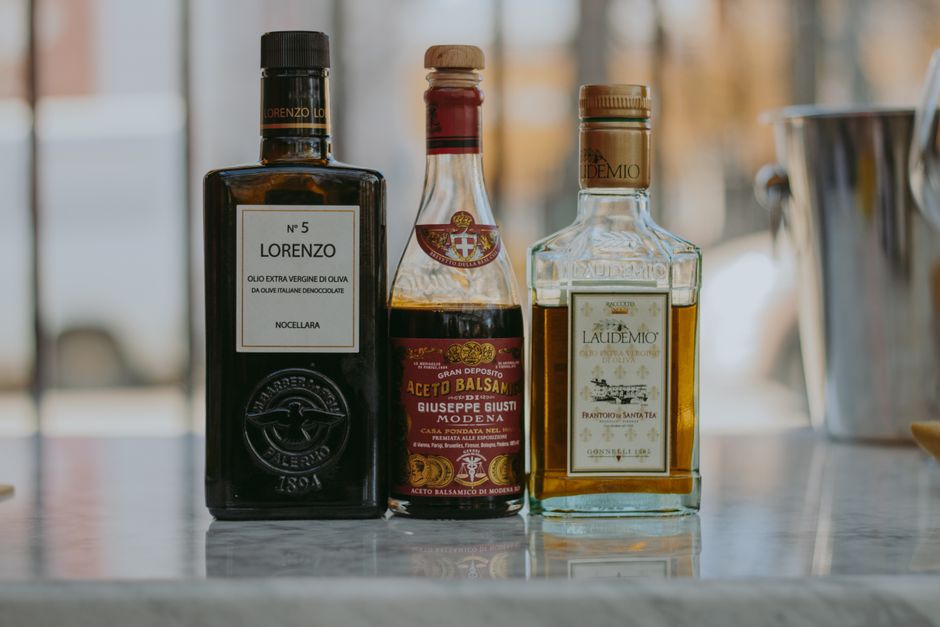
3) Acetaia Villa San Donnino — Rural charm, underground cellars and a paired lunch
Villa San Donnino combines the charm of a country house with the authenticity of artisanal balsamic production. Address: Villa San Donnino (Acetaia Villa San Donnino), Via San Donnino 105, 41030 Modena (MO), Italy. Opening hours: tours and tastings by reservation; guided tours available Monday–Sunday subject to availability, typically between 10:00 and 16:00. Price: tour + tasting €25–€35 per person; lunch package with a local plate (tortellini, prosciutto, cheese, bread) and tasting €45–€60 per person.
The highlight at Villa San Donnino is the tour-plus-lunch format. After a walk around the villa’s gardens and a visit to the underground cellars (where stable temperatures favor aging), visitors sit down for a family-style lunch overlooking the countryside. The meal is simple but carefully prepared: fresh pasta (tagliatelle, tortellini), Modenese cured meats, regional cheeses, and — of course — balsamic on the side. The owner will explain pairing ideas: a drop on Parmigiano Reggiano, a reduction over local strawberries, or a splash in a homemade vinaigrette.
Local tips: book the lunch at least 48 hours ahead, especially in high season. Ask whether the villa offers garden tours or culinary workshops on how to use balsamic; these often include demonstrations of reductions and sauce recipes. For buyers, the villa frequently sells numbered bottles and limited editions accompanied by a certificate of origin.
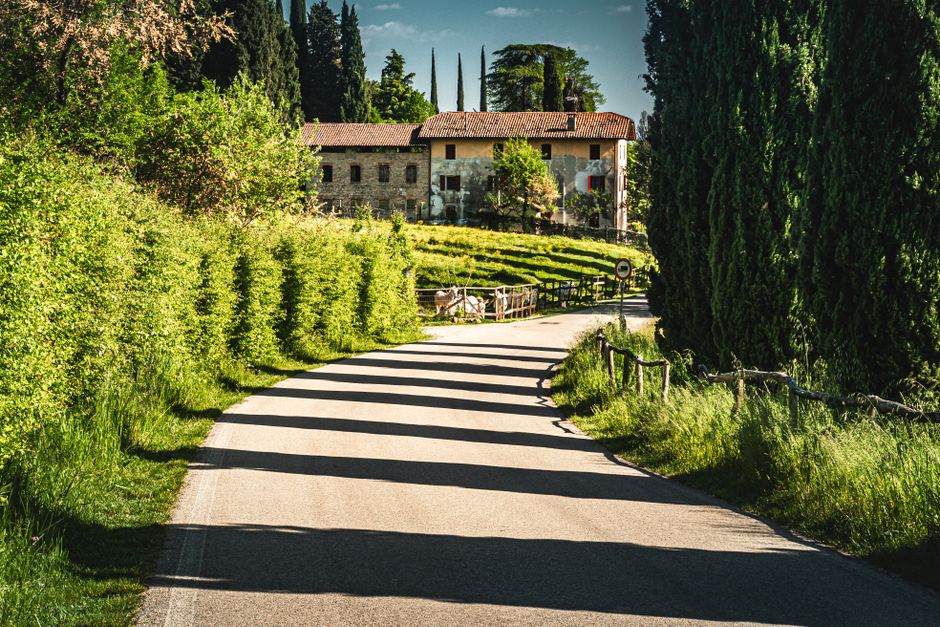
4) Acetaia Pedroni & Acetaia Leonardi — A comparison of two small family producers
For a more intimate perspective, it’s worth comparing two smaller acetaie: Acetaia Pedroni and Acetaia Leonardi. These family-run houses may not match the big names in scale, but they excel in character and hands-on teaching.
– Acetaia Pedroni — Address: Acetaia Pedroni, Via Bazzano 7, 41043 Vignola (MO), Italy. Opening hours: by appointment, tours 09:30–12:30 and 14:00–17:00; closed Sunday mornings. Prices: tour + tasting €12–€20; 100 ml bottles from about €50.
– Acetaia Leonardi — Address: Acetaia Leonardi, Via Torre 12, 41043 Formigine (MO), Italy. Opening hours: open by appointment, tours Tuesday–Saturday, 10:00–16:00. Prices: tour + tasting €15; 100 ml bottles €60+.
Pedroni is known for a fruitier, less oaky profile, often favored by cooks looking to add a lively note to salads and fruit. The cellars are compact, usually located behind a country house, and the visit is very hands-on: handling old bottles, explanations of blending and watching the barrel series. Leonardi, on the other hand, focuses on longer aging in varied woods and emphasizes restoring older flavor profiles. Guides stress patience, careful selection of musts and the importance of the family micro-economy — a barrel can stay within the same family for multiple generations.
Local buying tips: if you cook frequently with balsamic (dressings, reductions), favor 12–18 year aceti; for gifts or pure tasting, choose 25 years and older. When you compare bottles, look at color (darker = more concentrated), viscosity (it should leave a “tear” as it falls) and aromatic complexity. Also ask how the acetaia packs bottles: some offer wooden cases or gift boxes perfect for travel.
5) Logistics: how to plan your day, get around and make the most of visits
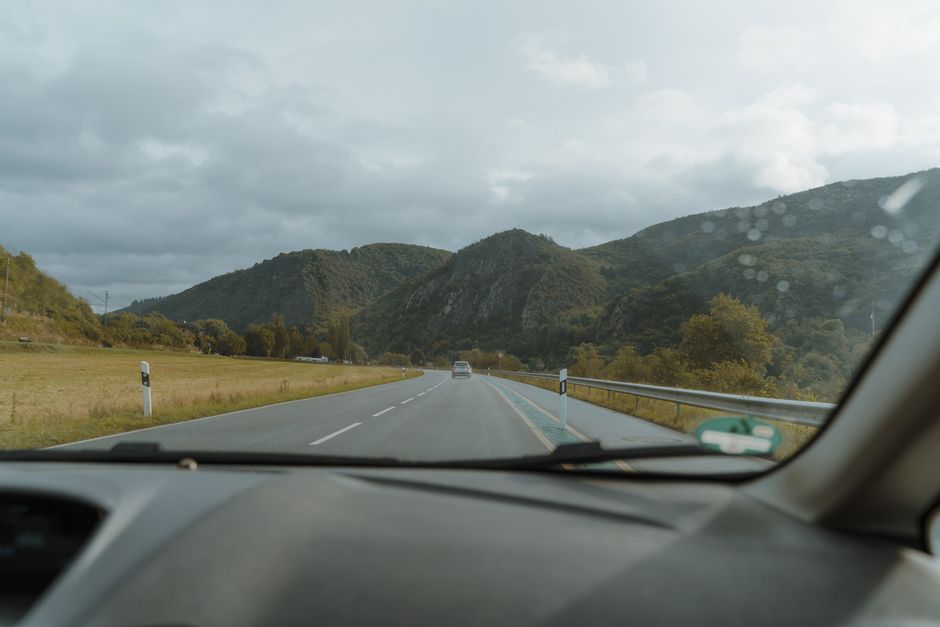
Putting together an efficient day of visits takes a bit of planning. Here’s a sample itinerary and practical tips so you don’t feel rushed. Start early: leave Modena around 09:00 to reach your first acetaia (for example Giusti in Modena itself or Malpighi in Spilamberto). Allow 60–90 minutes per visit (45–60 minutes for the guided tour + 15–30 minutes for questions and purchases). Reserve 90 minutes for lunch if you choose the villa option. Finish the afternoon with a shorter visit (Pedroni or Leonardi) and a final stop at a shop to complete your purchases.
Transport options:
– Rental car: most flexible, parking is often available at the acetaie.
– Taxi / rideshare: convenient if you want to taste without worrying about driving; book your return trips in advance.
– Bus / train: possible to reach Spilamberto or Vignola but less practical for rural acetaie — check local timetables.
– Organized guided tour: many local agencies and private guides offer “balsamic day” tours including transfers, visits and lunch. Prices vary (usually €120–€200 per person depending on transport and number of stops).
Bookings and timing: contact each acetaia at least 48–72 hours ahead. Friday and Saturday tours fill up quickly, especially in spring and autumn. Ask whether the visit includes a vertical tasting (multiple ages) or workshops. Carry some cash for small purchases in rural shops; most accept cards but not all.
Buying tips: prioritize D.O.P. marking to ensure authenticity. For everyday cooking, a 100 ml Affinato (12 years) offers the best value (≈ €60–€120). For gifting or tasting, choose an Extravecchio (25+ years) in 100 ml or 50 ml depending on your budget. Don’t buy large quantities without checking storage conditions (temperature, light) and travel needs (protection for cabin/hold if flying).
Conclusion — Why a day in Modena’s acetaie will change how you cook
A day devoted to Modena’s traditional acetaie is far more than a string of tastings: it’s a lesson in history, patience and product devotion. The acetaie show how, generation after generation, families turn grape must into a concentrated bundle of flavors using an immutable know-how. Barrels, wood, seasons and human hands work together to produce something intangible and deeply rooted in its place.
After these visits, the way you use balsamic in the kitchen will change. A single drop becomes a finishing touch, a reduction can replace a heavy sauce, and a modest-looking bottle becomes a treasure to be savored slowly. You won’t just leave with bottles and memories, but with practical tips — how to elevate a beef carpaccio or a Parmigiano Reggiano plate, why balsamic pairs with berries, and how to properly store a bottle of Aceto Balsamico Tradizionale D.O.P.
Final tip: protect your purchase. The best cuvées are rare and often expensive; pack them carefully, check customs rules if you’re returning outside Italy, and keep them away from light. If you loved the experience, plan a future off-season visit to see the acetaie in winter, when concentration and aromas take on different notes. And above all, talk to the producers — they’re often passionate storytellers, and their tales are an essential part of what makes each bottle unique.