





Introduction
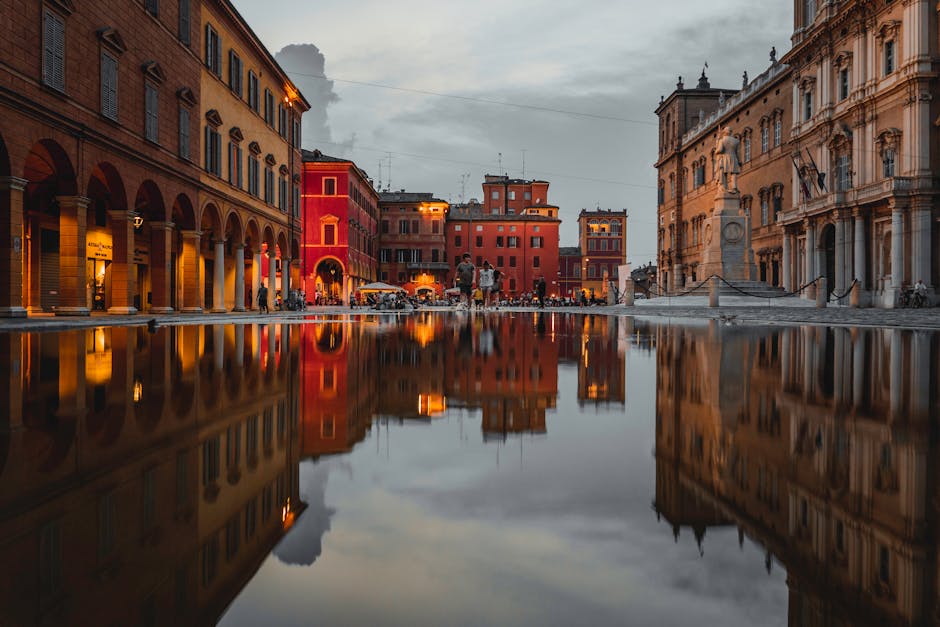
Exploring Modena by cargo bike blends practicality, eco-friendly travel and sensory pleasure in a city where history, food and industry meet around every corner. A cargo bike is a bicycle—sometimes electric—designed to carry bulky loads, groceries, kids or even professional equipment. In Modena, a compact city in Emilia-Romagna famed for traditional balsamic vinegar, high-performance cars and a UNESCO-listed historic centre, the cargo bike changes how you get around: you gain freedom, cut your carbon footprint and reach streets, squares and trattorie a car simply can’t access easily.
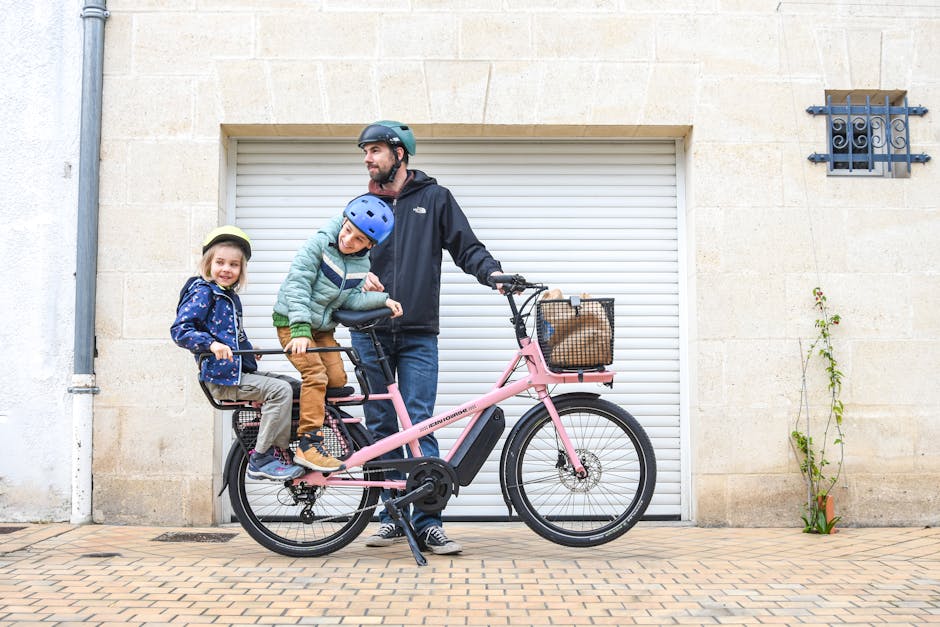
This practical, immersive guide will help you plan useful and green cargo-bike outings in Modena: routes for shopping at the Mercato Albinelli, gourmet trips to hunt down a bottle of traditional aceto balsamico, cultural circuits to the Cattedrale di Santa Maria Assunta e San Geminiano (Duomo di Modena) and the Torre Ghirlandina, or family rides to Parco Enzo Ferrari and around the Museo Enzo Ferrari. The idea is to mix everyday trips with discoveries, using local cycling infrastructure, historic pedestrian routes and hands-on tips for loading, securing and handling a cargo bike through medieval lanes.
A few immediate, practical tips: aim for early market hours (fewer people), fit your cargo bike with a waterproof cover if you’ll transport fresh produce, check gate widths and access points (many medieval alleys are narrow), and keep contact details for local repair workshops handy. Finally, respect the Limited Traffic Zones (ZTL) in the historic centre — Modena enforces strict car rules, though bikes are usually tolerated; if in doubt, check with the tourist office.
The sections that follow outline four routes and themes: utility rides (markets, shopping and personal deliveries), green family outings (parks and museums), cultural itineraries (Duomo, Torre Ghirlandina, museums) and practical advice on renting, maintaining and securing a cargo bike in Modena. Each part includes exact addresses, typical opening hours, indicative prices and local recommendations to turn your trips into small, sustainable urban adventures.
Utility ride: shopping and deliveries in Modena
A cargo bike shines in day-to-day use. In Modena, the must-stop spot for shopping is the Mercato Albinelli, a historic covered market where Emilia-Romagna’s gastronomic variety is laid out in colorful stalls. Address: Mercato Albinelli, Piazza XX Settembre, 41121 Modena MO, Italy. Typical hours: open mornings around 07:00–14:00 (Monday–Saturday), reduced hours Sunday morning roughly 08:00–13:00; some stalls stay open in the afternoon in high season. Prices: market access is free; product prices vary (fresh cheeses €8–18/kg, Prosciutto di Parma €25–40/kg, bottles of traditional aceto balsamico €20–150+ depending on age).
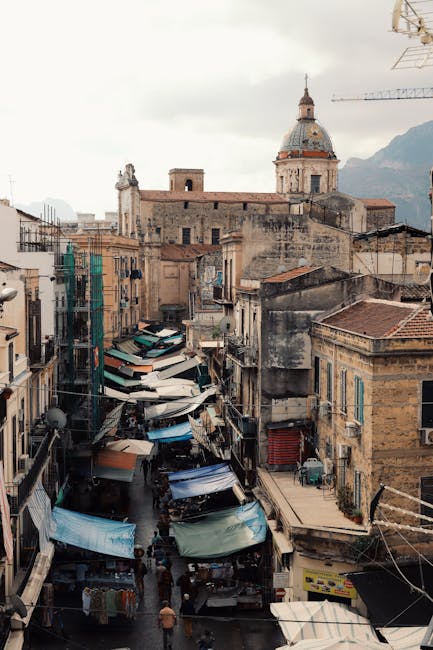
Practical tip: arrive early to avoid the crowd and load your shopping into the cargo box before the lunch rush. Favor stalls run by local producers who’ll pack your purchases in sturdy crates — this reduces the risk of crushing. If you’re carrying liquids like a bottle of traditional aceto balsamico, wrap it separately and nest it in cushions or textiles.
Another handy stop: a Coop or Carrefour Express for quick needs. Example: Coop Supermarket, Via Luigi Sigurta 12, 41121 Modena MO (typical hours 08:00–21:00). Indicative prices: bread €1–2, milk €1–1.50, water €0.50–1. The cargo bike lets you shuttle quickly between short errands and multiple destinations without hunting for parking.
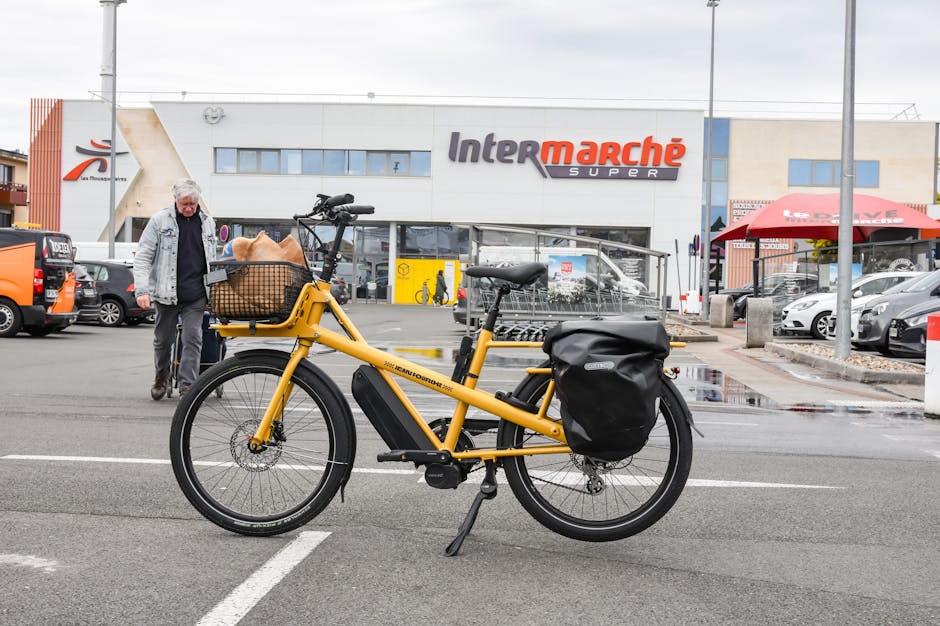
Parcel delivery or quick drop-offs: many downtown shops (artisan boutiques, cheese shops, cooking ateliers) accept bike deliveries if you arrange it in advance. Keep a copy (or photo) of your ID if a place requires proof of pickup, and respect the delivery hours — many shops close between 13:00 and 16:00 for riposo. To cross the historic centre, follow ZTL signs and park your cargo bike in designated bike areas (often near Piazza Grande).
Green family ride: parks and museums accessible by cargo bike
For a green outing, head to the Parco Enzo Ferrari and the Museo Enzo Ferrari. The park offers wide paths, lawns and playgrounds suitable for families, while the museum celebrates Modena’s automotive legacy. Park address: Parco Enzo Ferrari, Viale Ciro Menotti, 41121 Modena MO. Museum address: Museo Enzo Ferrari, Via Paolo Ferrari, 85, 41121 Modena MO, Italy. Typical museum hours: Tuesday–Sunday 09:30–19:00 (closed Monday); indicative prices: adults €17–18, reduced €14 for students/seniors, under-6 free. The park is free to enter and is usually open from dawn to dusk.
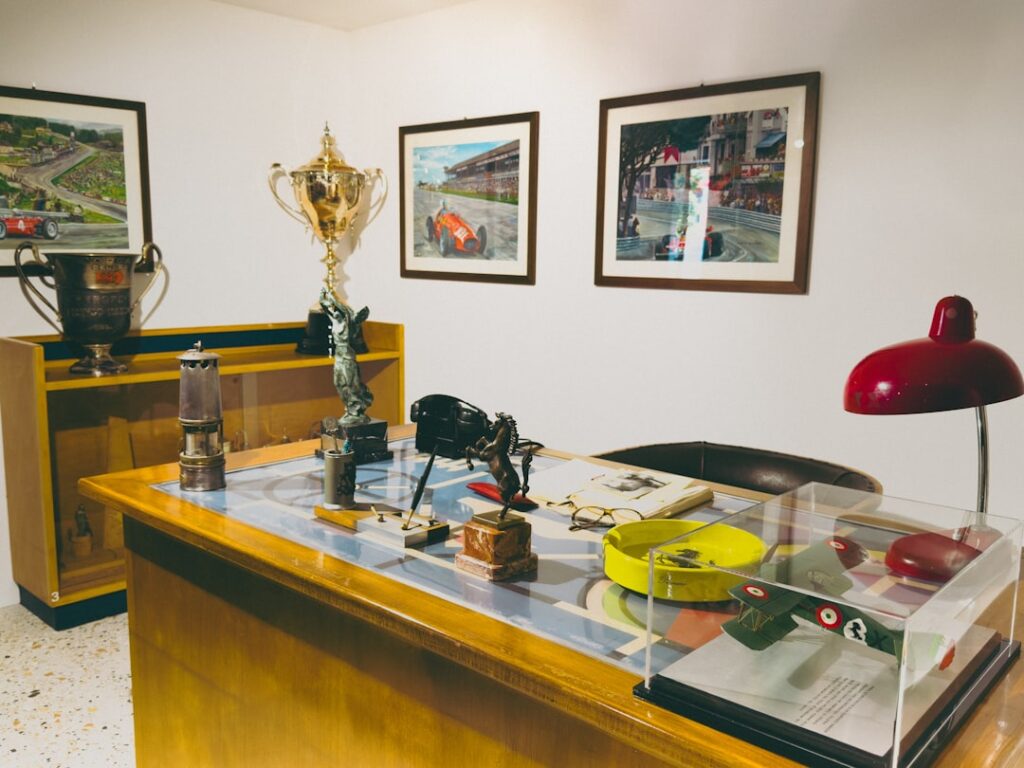
Recommended route: set off from the historic centre (Piazza Grande) heading northeast via Via Emilia Centro then Viale Ciro Menotti — around 2–3 km depending on your start point. A cargo bike lets you bring a picnic made from market produce, a blanket and children’s games. Enjoy tree-lined avenues that offer shade in summer. When you arrive, lock the cargo bike in the bike zones near the museum entrance or secure it to the metal hoops at the park edge.
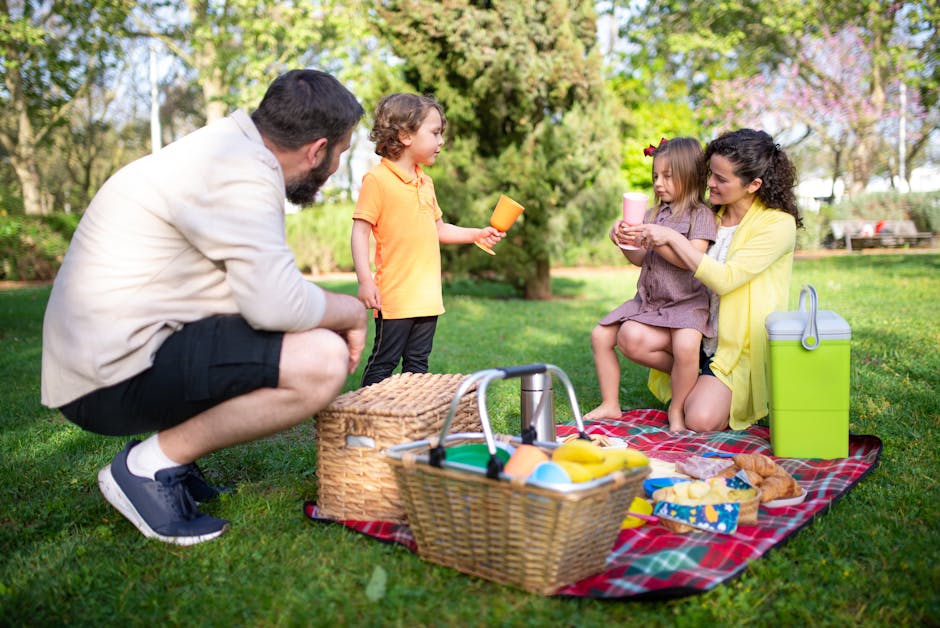
Family tips: line the cargo box with a cushion and blanket so little ones can sit comfortably, and add sun protection. For museum visits, book Museo Enzo Ferrari tickets in advance (official website or ticket office) to avoid queues. If you also plan to visit the Galleria Estense at the Palazzo dei Musei, store your shopping in a light, secure box: the gallery displays paintings and historic objects where outside items may be restricted.
Cultural route: Duomo, Torre Ghirlandina and the museums
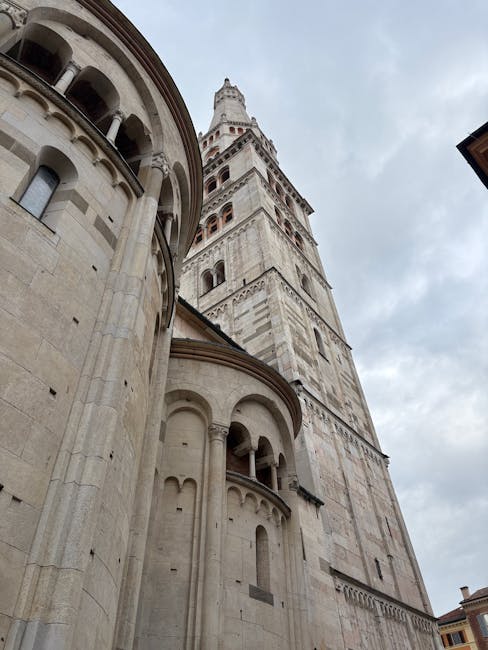
Modena packs an outstanding heritage into a compact area, perfect for exploring by cargo bike. The natural starting point is the Cattedrale di Santa Maria Assunta e San Geminiano (Duomo di Modena) at Piazza Grande, 41121 Modena MO, Italy. The Romanesque cathedral, a UNESCO World Heritage site, is usually open from 09:00 to 18:00; access to the nave is free while paid guided tours and visits to certain chapels are offered (indicative guided tour price €3–5).
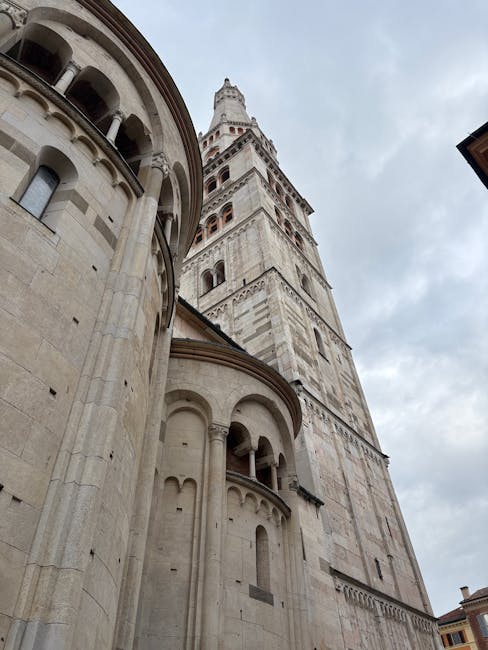
Right next to it, the Torre Ghirlandina towers over the square. Address: Torre Ghirlandina, Piazza Grande, 41121 Modena MO. Typical hours: 10:00–18:00 (hours vary by season). Admission: about €5–7 per person; the climb is worth it for panoramic views over Modena’s roofs and the surrounding countryside. Park your cargo bike locked to a hoop or in a nearby bike area — avoid leaving it on the uneven cobbles right at the entrance.
For art and history, head to the Galleria Estense at the Palazzo dei Musei, Largo Sant’Agostino, 337, 41121 Modena MO, Italy. Hours: generally 09:00–18:30 (closed on some holidays). Admission: combined tickets for the Palazzo dei Musei/Galleria Estense around €8–10; reduced rates for students and seniors. The gallery shows paintings by Correggio, sculptures and objects from the Este dukes — inside you’ll need to be respectful (photography sometimes prohibited).
Practical tips: plan visits for early morning or late afternoon to enjoy soft light on Piazza Grande and avoid the summer heat. Wear comfortable shoes — some streets are cobbled and require care when pushing a cargo bike. If you’re carrying fragile items (books, bottles), use straps and a cargo net. Also check with the local tourist office for combined tickets and special events (concerts in the Duomo, food fairs).
Practical advice: renting, maintenance and safety for cargo bikes in Modena
Renting or using a cargo bike in Modena takes a bit of preparation. Several bike workshops offer cargo bike rentals, maintenance and accessories. A useful tourist info point: Ufficio Informazioni e Accoglienza Turistica (IAT) Modena, Piazza Grande, 41121 Modena MO. Typical office hours: 09:00–17:00 (seasonal variations). Rental cost: depending on the model, an electric cargo bike usually rents for €35–70 per day, while a non-electric model can be €20–40 per day; weekly rentals often include discounts.
Basic maintenance: check tire pressure (commonly 2.5–4 bars depending on the model), the electric-assist system (battery level), brake condition and lights (required after dark). Always carry a repair kit: pump, spare inner tube, Allen keys, patch kit. If something goes wrong, note local workshop contacts (for example, bike shops in San Cataldo or along Via Emilia), and keep liability insurance for the vehicle and passenger insurance if you plan to carry children.
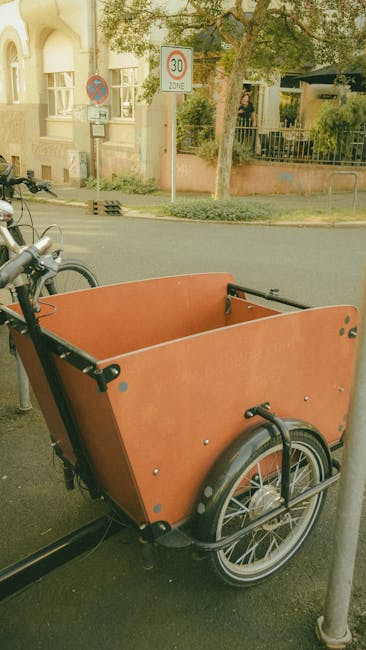
Security and parking: always lock your cargo bike with two locks (U-lock + cable) to a fixed point, especially in tourist spots like Piazza Grande and around Mercato Albinelli. If you leave it for a visit, remove valuables and lock the handlebar. When riding in Modena, stick to bike lanes and local rules: speeds are limited in pedestrian areas, and ZTL signage often bans motor vehicles — bikes are generally tolerated but check local regulations.
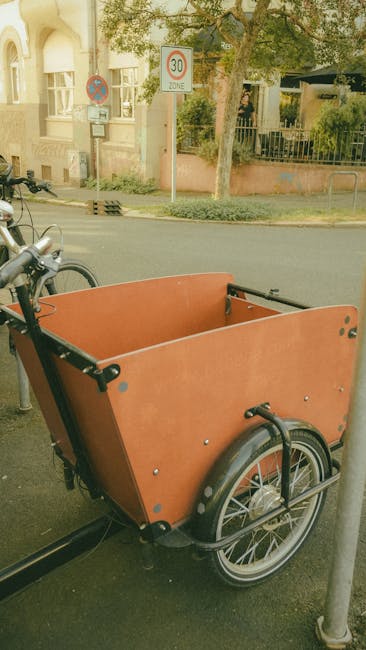
Recommended accessories: waterproof cover, cushions to stabilise loads, elastic straps, a cargo net to keep groceries from flying out, certified child seats, high-visibility vest for night riding. Finally, tap into local bike workshops and cycling associations for advice on quieter routes, the flattest paths (important without electric assist) and events focused on sustainable cycling in Modena.
Conclusion
Exploring Modena by cargo bike is more than a practical way to get around: it’s a mindset that combines gentle mobility, local life and sensory discoveries. Riding between the Duomo di Modena and the Torre Ghirlandina, loading up at the Mercato Albinelli or dropping a picnic at Parco Enzo Ferrari, you experience the city at human pace while shrinking your environmental impact. A cargo bike makes you more autonomous for carrying food, children or gear, and lets you access places off-limits to motor vehicles — a kind of freedom at the heart of a densely packed heritage.
Practically speaking, preparation matters: know opening hours (for example, Museo Enzo Ferrari often 09:30–19:00, Mercato Albinelli bustling from 07:00), pack protections for fragile items, and follow local rules (ZTL zones, bike parking). Key addresses — Piazza Grande for the Duomo and Ghirlandina, Via Paolo Ferrari 85 for Museo Enzo Ferrari, Piazza XX Settembre for Mercato Albinelli, Largo Sant’Agostino 337 for Palazzo dei Musei — will guide your routes. The prices mentioned (museum ~€17–18, Ghirlandina ~€5–7, gallery tickets €8–10) are indicative and may change: it’s wise to check online or with the tourist office before you go.
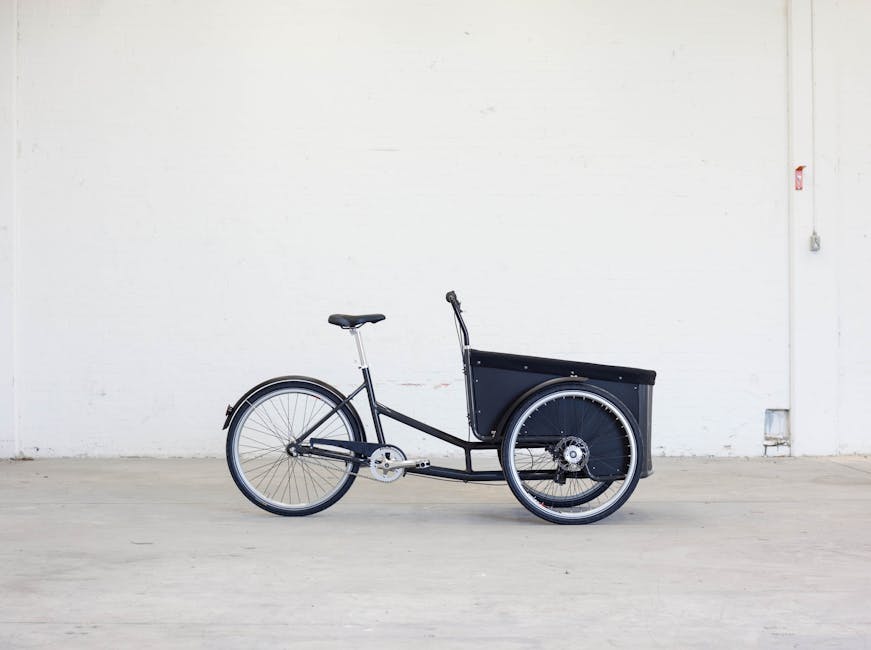
Ultimately, whether you live in Modena and want to replace your car for daily runs, you’re a traveller wanting to see the city at local pace, or you’re a parent looking for a fun alternative to public transport, the cargo bike is a perfect compromise. It encourages encounters — with market vendors, the craftsmen at the Galleria Estense, or fellow local cyclists — and turns every errand into a little adventure. Take time to adapt your route to the weather, museum schedules and local events (fairs, concerts, night markets) to get the most from your practical, green rides in Modena. Enjoy your bike travels and your sustainable discovery of Modena!