






Introduction — Where to Find Artisanal Balsamic Vinegar in Modena
Modena is the beating heart of traditional balsamic vinegar. For food-loving travelers, the city offers a rare mix of historic markets, specialist shops, family-run acetaie and tasting experiences that reveal both the history and the craft behind this exceptional product. In this comprehensive guide I’ll walk you step-by-step through how to spot, taste and buy genuine artisanal balsamic vinegar — the « Aceto Balsamico Tradizionale di Modena » — with exact addresses, opening times, price ranges and local tips to avoid counterfeits or overly commercial products.
In Modena, the difference between industrial balsamic and traditional balsamic is crucial: the former is often aged for just a few months in barrels and blended with caramel and concentrates, while the Aceto Balsamico Tradizionale di Modena PDO is made under strict rules from cooked grape must and aged for many years in a series of barrels. It’s that second product — rare, deep, syrupy, often bottled in 100 ml flasks with a red or black cap depending on age — that we’re after here.
This guide is meant to be practical and immersive: you’ll find markets where you can smell the cooked must, specialist shops to compare vintage bottles, acetaie open to the public for tastings, plus advice on what prices to expect in Modena and how to pack your purchases safely. Every address listed includes a detailed description, typical opening hours (always double-check public holidays or special closures), price ranges in euros, and local tips for negotiating or asking for samples.
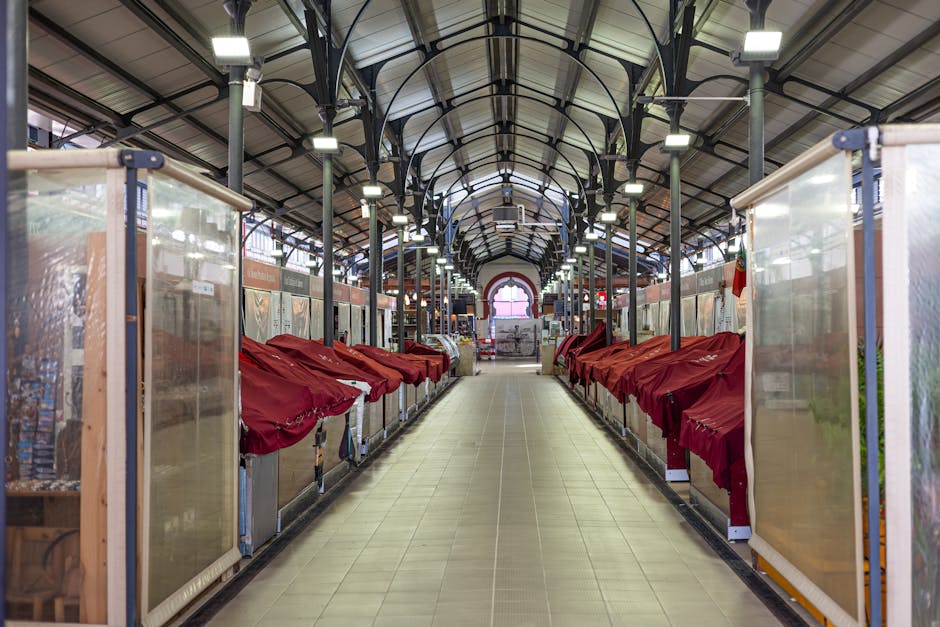
Mercato Albinelli: the heart of local trade and the perfect starting point
Mercato Albinelli is often the first stop for visitors wanting to feel Modena’s culinary soul. Located at Via Albinelli 5, 41121 Modena, this covered market from 1931 brings together fruit and veg stalls, charcuterie, cheesemongers and a few producers of traditional products, including small amounts of artisanal aceto balsamico. Exact address: Mercato Albinelli, Via Albinelli 5, 41121 Modena. Opening hours: open Tuesday to Saturday from 07:30 to 13:30; some traders stay open Monday mornings; typically closed on Sundays. Free entry.
Why start here? Market vendors are often small producers or suppliers who work with local acetaie. You’ll find bottles of « Aceto Balsamico Tradizionale » in 100 ml to 250 ml formats, but more commonly you’ll see invecchiato (aged) balsamics and reductions of must. Indicative prices: small 100 ml flasks of traditional PDO balsamic (12–25 years) €60–180; younger versions or artisanal condimenti (a few years’ aging) €10–35. The market is an excellent place to ask for samples, smell the difference between a young balsamic and a 12‑year example, and watch bottling practices.
Practical tips: always ask to see the label and the lot number; an honest artisan will happily show the PDO stamp when it comes to traditional balsamic. Don’t hesitate to buy small bottles to taste at home. Vendors generally accept cards, but bring a few euros in cash for small purchases. In high season (May–September) get there early to avoid the crowds and see the freshest products.
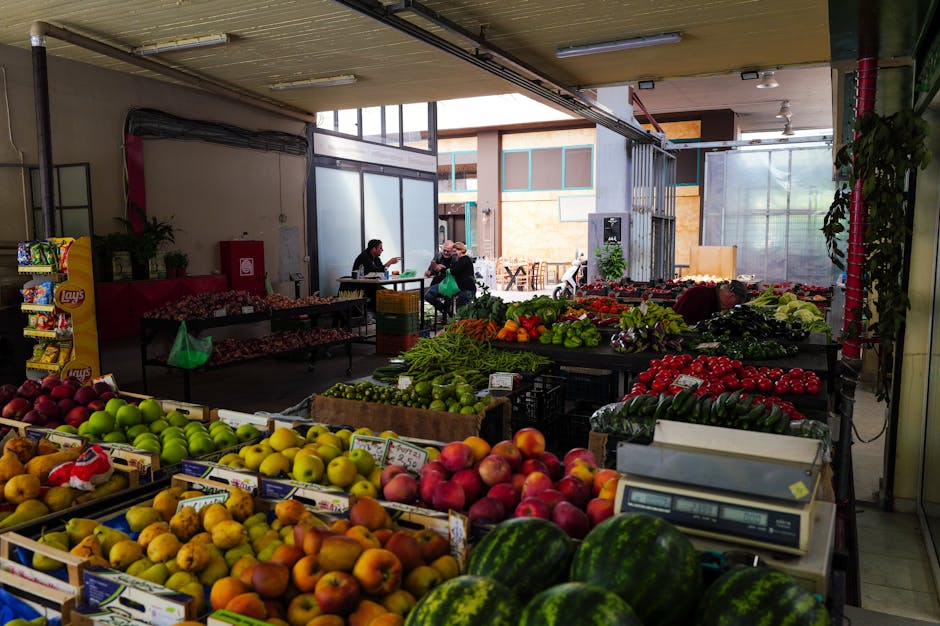
Specialist shops and fine food stores in the city center
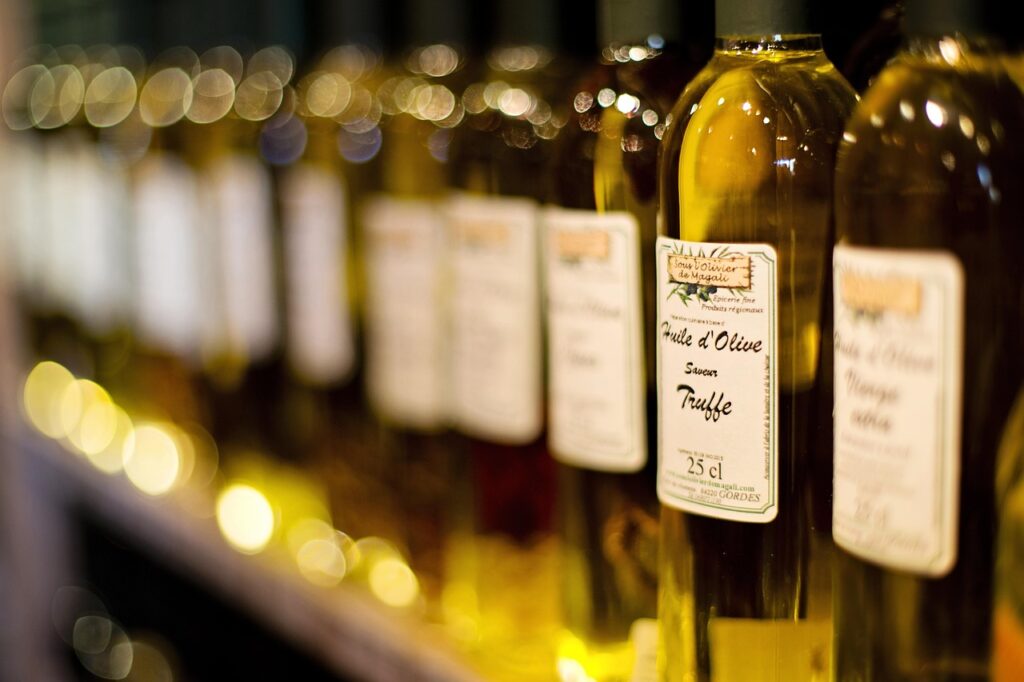
Modena is home to several specialist balsamic shops and fine-food stores where you can find vintage bottles, gift sets and expert advice. Here are some unmissable addresses in the city center:
- Enoteca Regionale Emilia Romagna — Via Don Minzoni 14, 41121 Modena. Opening hours: Tuesday to Saturday 10:00–19:00, Sunday 10:00–13:00. Closed Monday. Prices and offers: 100 ml bottles of traditional balsamic €60–250 depending on age; artisanal condimenti €12–45. The enoteca offers tastings by reservation (€15–25 per person for a vertical tasting of 3–5 products) and ships parcels within Europe.
- La Bottega del Balsamico — Via Sant’Eufemia 23, 41121 Modena. Opening hours: Monday–Saturday 09:30–18:30, closed Sunday. This family-run shop specializes in small local productions and offers engraved bottles, gift boxes and tasting workshops (workshop fee €30–50). 100 ml bottle prices: €45–220.
- Gastronomia Rossi — Piazza Grande 8, 41121 Modena. Opening hours: Tuesday–Sunday 10:00–19:00. A fine-food shop near the cathedral, ideal for picking up a souvenir box. Prices: small flavored balsamics €8–20, traditional 100 ml bottles €70–150.
In these shops you’ll often be invited to taste before buying; it’s practically an unwritten rule. Learn to ask the right questions: where the must comes from (locality), how many years of aging (3, 6, 12, 25 years), the composition of the barrel battery (oak, chestnut, mulberry), and whether the PDO/ DOP label is present. Serious sellers provide a description sheet for the bottle and culinary suggestions (a drop on Parmigiano-Reggiano, a drizzle over strawberries, or a touch on beef carpaccio).
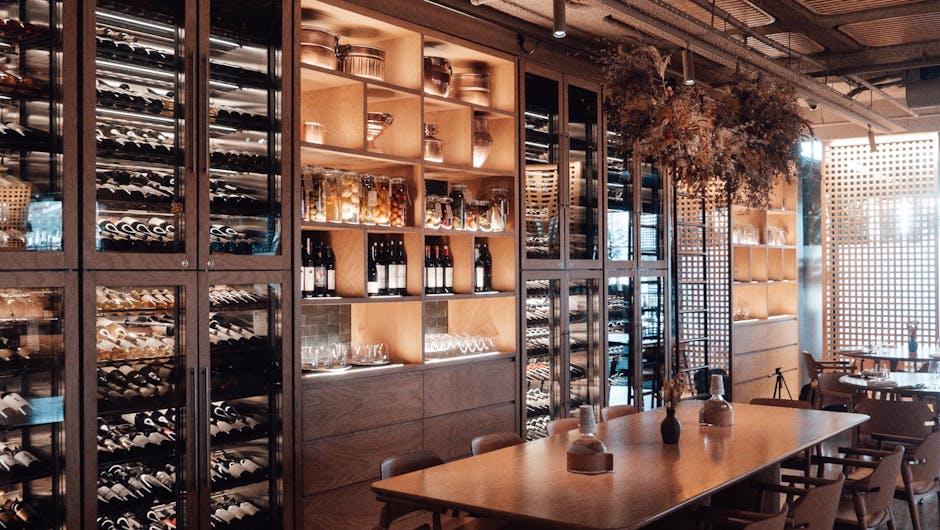
Acetaia visits and tastings at local producers
Nothing beats visiting an acetaia, where you can see the barrel battery, smell the cooked must at the start of the process and taste vintages. Several acetaie in the province of Modena open their doors to visitors — some by reservation only. Here’s how to approach them and what to expect:
– Booking: most acetaie ask for a reservation 24–72 hours in advance. Guided visits with tastings typically cost between €15 and €40 per person depending on duration and number of products tasted. For in-depth workshops or vertical tastings (multiple ages), expect €40–100.
– Typical examples: a family-run acetaia will often welcome you in a room decorated with old photos, tell the story of the must, show barrels made of oak, cherry, acacia and ash, and then serve 6-, 12- and 25-year bottles on small white spoons. Exact addresses and opening hours vary by producer; many are located on the outskirts of Modena (10–30 minutes by car). Producers recommend arriving by car or taxi; some offer shuttle service from the center on request.
Local tip: outside the high tourist season, ask for a « piccola degustazione » (small tasting) to try several ages without committing to an expensive purchase. If you plan to buy a 12‑year‑old bottle or older, insist on the certificate of authenticity, the PDO seal, and check the bottle’s weight and liquid level (older bottles are more viscous).
Where to buy as a last resort: supermarkets and souvenir shops — how to spot the real thing
While local shops and producers are preferable, it’s possible to buy artisanal balsamic in some high-end supermarkets and souvenir shops in Modena. Be careful though: many products sold in mass retail are condimenti or industrial blends. Here are some pointers to tell the real from the fake when you’re buying on the go:
- Read the label: for Aceto Balsamico Tradizionale di Modena, the PDO (or DOP) mention should appear, often with an embossed seal and a registration number. The word « condimento » often indicates a blended product rather than a traditional one.
- Composition: the traditional product is made exclusively from cooked grape must; avoid labels that mention « wine vinegar » or « caramel added. »
- Viscosity and aroma: genuine traditional balsamic is syrupy and slightly clings to the glass; it has a complex sweet‑and‑sour aroma without the smell of artificial caramel.
- Price: price is a good indicator — a 100 ml bottle of a 12‑year traditional balsamic for under €40 is unlikely. Cheap condimenti (€5–20) are often fine for everyday cooking but are not PDO products.
Chain stores to check: large food halls like « Eataly » (check the nearest location) or some Coop supermarkets in shopping centers sometimes carry labeled products. But for an authentic souvenir and a story to bring home, prefer Mercato Albinelli or one of the specialist shops mentioned above.
Practical tips for buying, transporting and using your balsamic vinegar
Transport: a 100 ml bottle can be carried in your hand luggage on a flight (subject to security rules), but if you buy larger sizes or multiple bottles, choose secure packaging (bubble wrap and a hard box). Many shops offer reinforced gift packaging for €3–8.
Storage: keep your balsamic away from light and heat, in a cupboard at stable room temperature. Once opened, a bottle of traditional balsamic keeps very well; its flavour will evolve slowly but remains stable if stored correctly.
Culinary use: traditional balsamic is served by the drop — a tear on a thin slice of Parmigiano-Reggiano, a touch on tomatoes or strawberries, or used to finish a sauce. Avoid cooking it at high heat; use it as a finishing touch. For younger balsamics or condimenti, you can reduce them into a glaze for meats and vegetables.
Conclusion — Take Modena’s spirit home in your bottle
Finding artisanal balsamic vinegar in Modena is more than an errand; it’s a cultural immersion. Between the lively stalls of Mercato Albinelli, the specialist shops lined with heavenly bottles, and the family acetaie where time seems to move at the pace of the barrels, every bottle tells a story of terroir, patience and craft. By following the addresses and tips in this guide you’ll be equipped with the right questions to ask — age, origin of the must, barrel battery, certificates — and, above all, you’ll learn to recognize the texture, aroma and depth that set a true Aceto Balsamico Tradizionale apart from a simple condiment.
To sum up: start at Mercato Albinelli for a first taste, continue to enoteche and specialist shops in the center to compare labels and prices, and finish with a guided visit to an acetaia to understand the process and, if possible, buy a vintage bottle. Budget realistically — traditional PDO bottles are expensive but last a long time and offer an unmatched tasting experience. And lastly, be curious and ask to taste: it’s the best way to learn and to take home a meaningful souvenir.
Safe travels to Modena, and savour every drop!