





Introduction: A musical route in Modena — the Casa Museo Pavarotti explained
Modena, tucked into the Po Valley in the heart of Emilia-Romagna, is much more than a stop for food and fast cars: it’s the hometown of one of opera’s legends, Luciano Pavarotti. For music lovers, curious visitors and cultural travellers, the Casa Museo Luciano Pavarotti offers an intimate look into the life and legacy of one of the twentieth century’s most famous tenors. This detailed guide gives you a full musical itinerary to visit the Casa Museo Pavarotti, understand its historical and architectural context, and make the most of your time in Modena.
Visiting a house-museum is different from a traditional museum visit: here, the private spaces, personal belongings, tour mementos and the atmosphere of a life devoted to music create a vivid narrative. The Casa Museo Luciano Pavarotti preserves costumes, scores, photographs, recordings, instruments and original furniture, allowing visitors to piece together the key moments of a dazzling career. In this introduction we’ll cover the house’s role in Modena’s cultural scene, how to get there, and why you should allow at least a half-day for a thoughtful, rewarding visit.
Seeing the Casa Museo isn’t just about looking at objects; it’s like reading a biographical score. You’ll discover the stage — stage costumes, robes and formal wear — as well as behind-the-scenes items: letters, signed concert programmes, and even the family kitchen or the room where Pavarotti liked to relax after rehearsals. Each room tells a story, and the exhibition design aims to respect the home’s intimacy while giving chronological markers for visitors who aren’t opera buffs. Audioguides, often available in Italian, English and French, help follow the anecdotes and listen to musical excerpts from the personal archives.
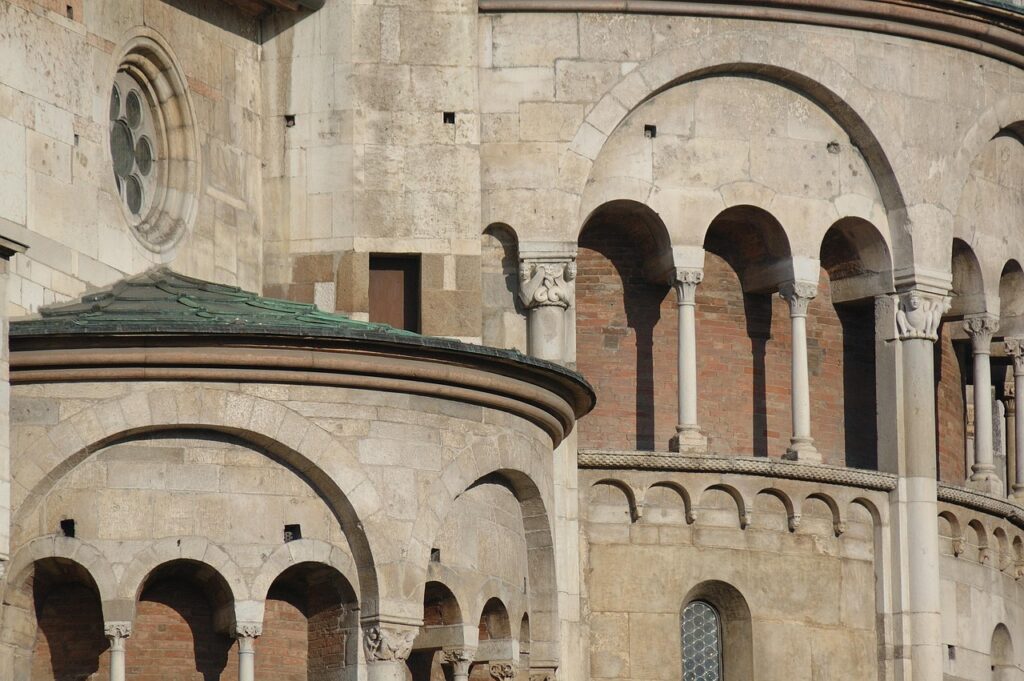
The Casa Museo is also an ideal starting point for exploring Modena on foot: Modena Cathedral (Duomo di Modena), Piazza Grande and the Torre della Ghirlandina are within walking distance if you want to extend your day. Finally, this guide includes practical information — exact address, opening hours, admission fees, tips to avoid peak times, guided tour options, and local recommendations for a typical lunch before or after your visit.
Location, exact address and how to get there
The Casa Museo Luciano Pavarotti sits in a residential neighborhood near Modena’s historic centre. Exact address: Casa Museo Luciano Pavarotti, Strada del Fondatore 15, 41121 Modena MO, Italy. (Note: always double-check the address and contact details on the official website before you go, as foundations and museums can change venues or open temporary annexes.)
How to reach it from key Modena landmarks:
- From Piazza Grande / Duomo di Modena (the main square): the Casa Museo is about 1.8 km away — roughly a 20–25 minute walk. Recommended route: head down Via Emilia Centro toward the southeast, then take Corso Canalgrande and follow signs to Strada del Fondatore.
- From Modena railway station (Stazione di Modena): about 1.6 km — an 18–22 minute walk or you can take a local bus. Urban buses: lines T1/T2 depending on the schedule; the closest stop is usually “Fondatore” (check local maps).
- By car: set your GPS to Strada del Fondatore 15, 41121 Modena. Parking: metered street parking and public car parks a short walk away (Park Vittoria and Park Piazza Matteotti when available). Some zones near the museum may be within a ZTL (limited traffic zone), so park in an authorised lot and walk in.
Local tip: if you enjoy walking, arrive on foot from Piazza Grande and stop at a local pasticceria for an espresso before your visit. If you prefer public transport, allow a few extra minutes to locate the bus stop and the final walk: stops can change during local events.
Opening hours, prices, bookings and practical services
Before planning your visit, here are the essential practical details. Standard opening hours (subject to seasonal changes or special events):
- Opening hours: Tuesday to Sunday, 9:30 AM – 6:00 PM. Closed Mondays, 25 December and 1 January. Occasional closures for private events or commemorations. Last tickets are usually sold 45 minutes before closing.
- Indicative prices: Full adult ticket: €10.00. Reduced ticket (students 18–25, seniors 65+): €7.00. Children (6–12): €4.00. Children under 6: free. Family ticket (2 adults + 2 children): €25.00. Multilingual audioguide (if not included): €3.00. Themed guided tours: extra €5.00–€10.00 depending on topic and length.
- Bookings: It’s highly recommended to book in advance during high season (April–October) and on weekends. Book online via the official Fondazione Pavarotti website or by phone: +39 059 200xxxx (confirm the number on the official site). Some days offer limited time slots to respect visitor capacity.
- Accessibility: The house-museum makes efforts to be accessible, but be aware that some historic spaces have architectural constraints. Check accessibility for mobility-impaired visitors and inform staff if you need assistance.
Tip: buy a combined ticket if the Foundation or the city offers linked temporary exhibitions (sometimes bundled with the Museo Casa Enzo Ferrari or other Modena cultural sites) — it can be a worthwhile saving.
What to see in the Casa Museo: key rooms, objects and a suggested route
The visit typically moves room by room, following a chronological and thematic route. Here are the parts of the house and the objects that draw the most attention, with an immersive description for each stage.
- The entrance and living room: stepping over the threshold you immediately feel the family atmosphere. Childhood photos, early programmes, and intimate portraits of the Pavarotti family line the walls. The living room also displays original recordings and the radio that young Luciano used to listen to great performers.
- The dining room and kitchen: these spaces reflect everyday life away from the spotlight. Signed menus, postcards from fans and tour souvenirs reveal the dual reality of public and domestic life. Don’t miss the notes on the table, where you can sometimes spot musical annotations and scheduled commitments.
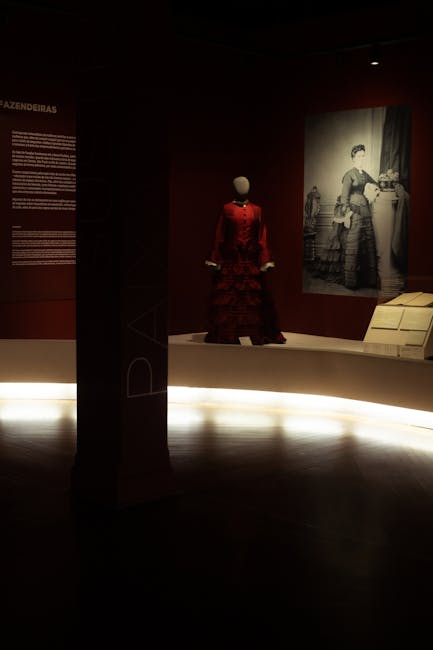
- The costume room: believe it or not, the stage costume collection is a highlight: gala outfits, tuxedos and stage accessories are carefully displayed with explanations about the performances and theatres involved (Metropolitan Opera, La Scala, Covent Garden, etc.).
- The musical salon and the piano: this is where the music comes alive. You’ll find Pavarotti’s working piano, annotated scores, and recordings available via the audioguide. The layout recreates the space where Pavarotti prepared his arias and rehearsed his parts.
- Archives and multimedia room: original documents, letters from composers and collaborators, concert videos and interviews — often presented on interactive screens — offer a documentary deep-dive. Temporary exhibitions sometimes spotlight these archives with focused themes (for example: « Pavarotti and the World », « Touring Memories »).
Visiting tips: take time to listen to the musical excerpts available; some objects reveal their full meaning only when heard. Take notes or photos if allowed (private museums may restrict photography in certain rooms). Ask staff for local anecdotes: guides are often former collaborators or people who have worked extensively with the archives, and they share unpublished stories.
Related experiences in Modena and practical tips to extend your route
After visiting the Casa Museo, Modena offers natural follow-ups for a day or weekend of culture and gastronomy. Here’s a suggested itinerary and practical advice to plan your day.
- Morning: visit the Casa Museo Pavarotti — start early to beat the crowds and take your time in the sound archives.
- Midday: lunch at Trattoria Aldina (an example of a good traditional spot) or at Osteria Francescana if you have a reservation (Via Stella 22, 41121 Modena; very expensive, reservations essential). For a more classic, convivial option, pick a local trattoria serving tortellini or tagliatelle al ragù.
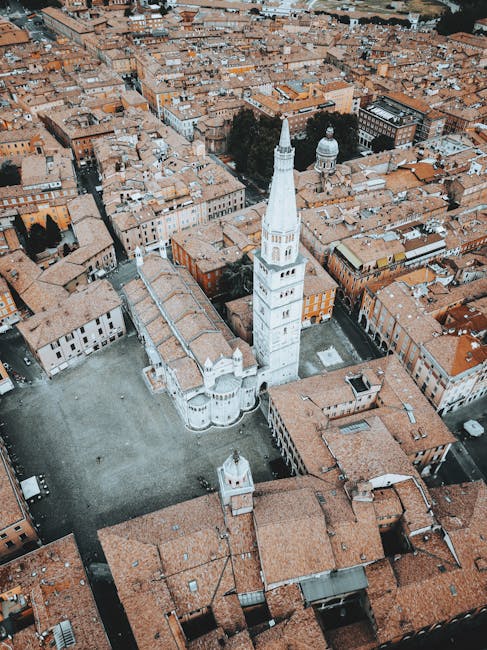
- Afternoon: Duomo di Modena and the Torre della Ghirlandina — Piazza Grande, 41121 Modena. Distance: 20–30 minutes on foot from the Casa Museo. Enjoy the Romanesque architecture and views from the tower.
- Evening: concert or opera if available — check the schedule at Teatro Comunale Luciano Pavarotti (Via Don Minzoni 4, 41121 Modena) for a memorable night that closes the day on a musical high note.
Local tips:
- Transport: walk when possible to better appreciate the city; Modena is compact and pleasant to explore on foot.
- Food: book restaurants in advance, especially in high season; ask for local dishes: gnocco fritto, tigelle and the must-have Parmigiano Reggiano from nearby farms.
- Souvenirs: the Casa Museo shop offers scores, biographies, CDs/DVDs and official memorabilia — perfect for bringing home a piece of musical history.
Conclusion: why visit the Casa Museo Pavarotti in Modena
The Casa Museo Luciano Pavarotti is far more than a tourist attraction: it’s a living testament to how a small Italian city shaped an international career, and how stage grandeur and everyday simplicity can coexist. Crossing the threshold of the house-museum, visitors enter a narrative built from personal objects, recorded sounds, sparkling costumes and intimate traces of an artist who touched the world with his voice.
For the curious traveller, the visit offers several rewards: a deeper understanding of an artist’s life beyond the spotlight, cultural enrichment through period documents and recordings, and an emotional experience — hearing a recorded excerpt in the very room where Pavarotti listened to it creates a direct link to musical history. The practical details in this guide — address, opening hours, prices, suggested visit route and local tips — help you plan a calm, enriching visit.
Finally, Modena itself perfectly complements the visit: Romanesque architecture, lively streets, exceptional gastronomy and diverse museums provide an ideal setting to continue reflecting on music. Whether you’re a seasoned music lover, a curious amateur or a cultural traveller, the Casa Museo Luciano Pavarotti deserves a central place in your Modena itinerary. Allow at least half a day, book if needed, and let yourself be absorbed by the life and work of one of the greatest tenors in history.