





Introduction: Between Costumes and Scores — the Casa Museo Pavarotti in the Heart of Modena
The Casa Museo Luciano Pavarotti is more than a museum: it’s a window into the private, professional and artistic life of one of the 20th century’s greatest tenors. Nestled in Modena’s historic center, the house-museum recreates the feel of a lived-in home, blending family memories, stage costumes, original scores and everyday objects. Walking through the rooms rearranged as exhibition spaces gives visitors a visual and aural narrative of Pavarotti’s international career — from his first steps in Modena to global acclaim.
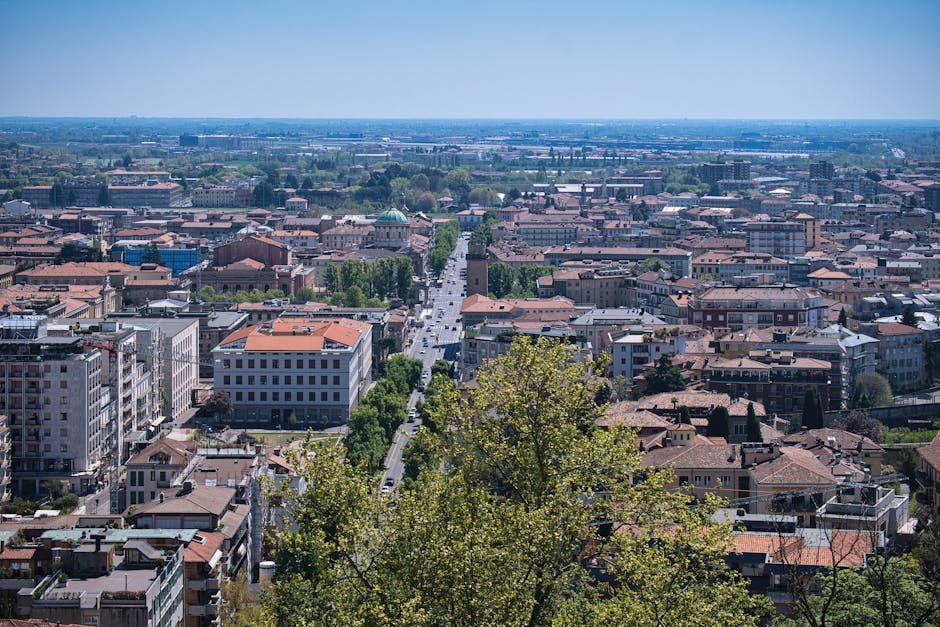
Modena itself provides the perfect setting for this visit: a small city of art and culinary tradition, it pairs remarkable Romanesque architecture with a lively cultural scene. The Casa Museo Pavarotti is within easy reach of the city’s main attractions, so it’s simple to slot a visit into a day exploring the historic center, from the Duomo di Modena (Piazza Grande) to the covered market, Mercato Albinelli.
This detailed guide is aimed at both music lovers who want to understand the man behind the voice and curious travelers seeking a full cultural immersion. You’ll find all the practical information (exact address, opening times, ticket prices in euros), an evocative description of the rooms and key items (costumes, handwritten scores, personal objects), tips to make the most of your visit (best times, ticket purchase, accessibility), and suggestions to extend your itinerary in Modena (restaurants, nearby museums, transport and parking).
The Casa Museo does more than display objects: it tells a story. Every annotated score, every stage costume and every photograph is a fragment that, taken together, reconstructs the journey of an artist who loved the stage as much as his homeland. In some rooms visitors will hear recorded excerpts, adding an emotional and immersive layer to the experience. Before you go, it helps to know a few practical pointers — quiet hours, wheelchair access, best times to catch a screening or a guided tour — which we’ll cover in the sections below.
Finally, this guide also offers local recommendations: where to have lunch after your visit, other cultural stops to pair with the house-museum and a few Modena tips for a more authentic experience (markets, local products and small shops selling traditional balsamic vinegar). Whether you’re an opera devotee, a history buff or a curious traveler, the Casa Museo Luciano Pavarotti promises a powerful cultural and emotional moment in the heart of Modena.
History and Context: the House, the Artist, the City
The Casa Museo Luciano Pavarotti occupies the house the tenor chose as his residence and creative base for long stretches of his life. The official address is Casa Museo Luciano Pavarotti, Via Castelvetro 16, 41121 Modena (MO), Italy. The house preserves the original domestic layout: sitting room, dining room, piano and studies where Pavarotti welcomed friends, colleagues and journalists. The museum route is designed to keep this intimate connection with the artist while making important material archives accessible to the public.
Luciano Pavarotti (1935–2007) was born in the province of Modena and maintained a deep bond with his hometown throughout his career. His presence helped put Modena on the international opera map. The Casa Museo traces not only his artistic biography — the sequence of roles, collaborations with famous conductors and singers, global tours — but also his involvement in humanitarian efforts and local events. Visitors learn how this small Emilia city shaped aspects of his personality, his speech and his culinary tastes.
The museum presents a visual and audio timeline: international tour posters, recording excerpts, letters, rehearsal and backstage photographs, as well as personal items like his conductor’s baton, autograph scores and annotated music. These artifacts reveal the working method of a singer who stressed dramatic intensity, clarity of musical line and direct contact with the audience.
From a heritage perspective, the Casa Museo fits into a local cultural network that includes the Duomo di Modena (Piazza Grande, 41121 Modena) and the Museo Enzo Ferrari (Viale Ciro Menotti 8, 41121 Modena). Visiting these sites together helps you connect local traditions, automotive industry and musical heritage — illustrating the city’s cultural variety. The house-museum also takes part in themed events, intimate concerts and occasional temporary exhibitions focused on opera, stage fashion or 20th-century music.
Practical Visit Info: Opening Hours, Prices, Booking and Accessibility
To prepare your visit, here are the essential practical details. Address: Casa Museo Luciano Pavarotti, Via Castelvetro 16, 41121 Modena (MO), Italy. Opening times and prices may change with the season and special events, so it’s wise to check online or call ahead before you travel.
Typical opening hours (indicative and subject to change):
- Tuesday – Friday: 10:00 – 18:00
- Saturday – Sunday: 10:00 – 19:00
- Closed Monday (unless public holidays or special events)
These hours generally cover public opening days, with time slots for guided tours. It’s recommended to allow the last entry about 45 minutes before closing to fully enjoy the exhibition.
Ticket prices (indicative, rounded, in euros):
- Standard adult ticket: €10.00
- Reduced: €8.00 (students, seniors >65, groups — ID required)
- Youth: €5.00 (ages 6–18)
- Children: Free for under 6s
- Family ticket: €22.00 (2 adults + up to 3 children 6–18)
- Guided tour supplement: €5.00 per person (booking recommended)
Note: there are occasionally combo tickets with other Modena museums (for example Museo Enzo Ferrari); check the desk for temporary promotions or seasonal discounts.
Bookings and services:
- Booking recommended for groups (>10 people) and guided tours. Check the official website or the local contact number for details.
- Tickets can be bought on site or online via the museum’s website; card payments are generally accepted.
- Audio guides in multiple languages (Italian, English, French) are often available for a small extra fee or included in certain promos.
Accessibility:
- The house is a historic building with stairs. Some rooms may only be partially accessible to visitors with reduced mobility — bring a companion if needed.
- Accommodations for visually impaired visitors (audio descriptions) and hearing-impaired visitors (transcripts) may be offered during specific events; inform the front desk of your needs when booking.
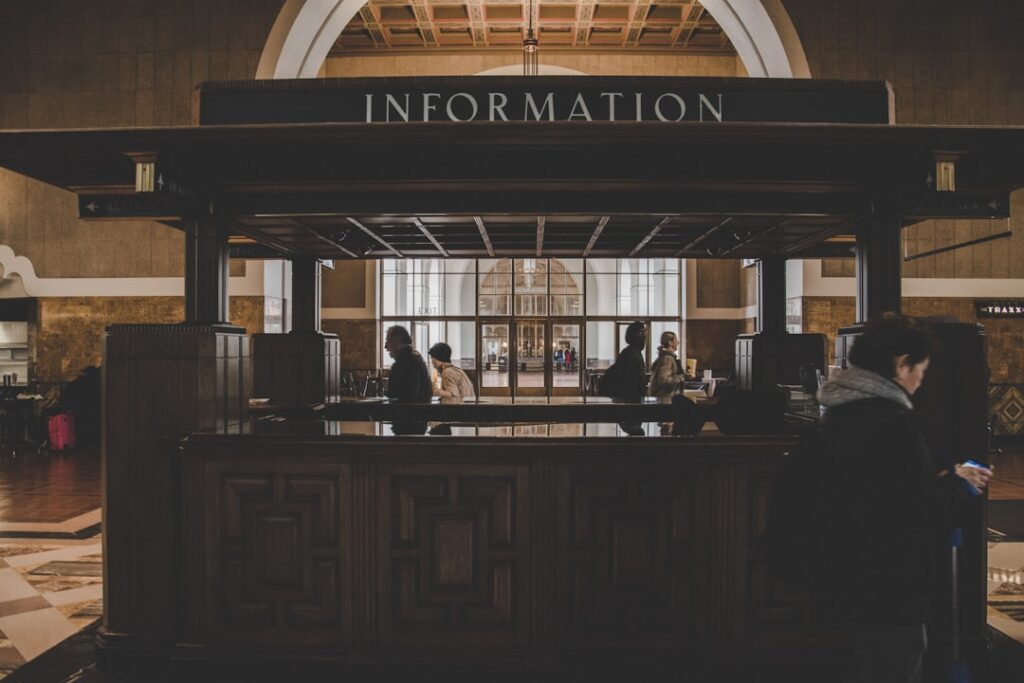
- Restrooms and a small rest area for visitors are available, though space may be limited depending on temporary exhibitions.
The Collections and Rooms: Costumes, Scores and Personal Objects
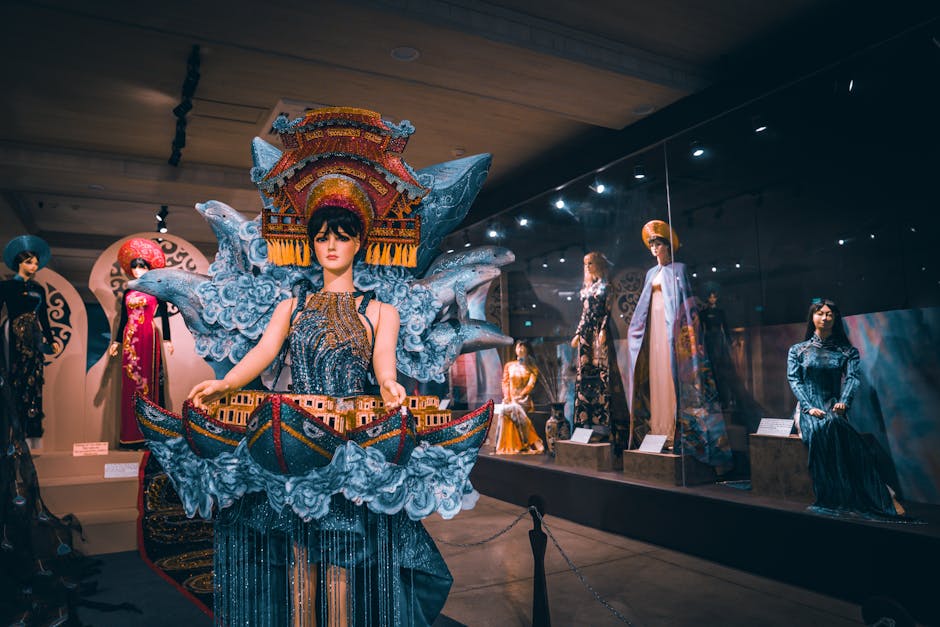
One of the Casa Museo Pavarotti’s main attractions is the quality and variety of the displayed items. The museography favors a chronological and thematic reading: each room highlights a different facet of the tenor’s artistic life. Expect showcases of costumes, handwritten scores, rehearsal photographs and audio stations where you can listen to opera excerpts or interviews.
Costumes and accessories:
- Original stage costumes (roles such as Nemorino in L’elisir d’amore, Manrico in Il trovatore, etc.) carefully displayed under textile conservation standards. Labels sometimes note the date, designer and the specific performance.
- Stage shoes, wig pieces and personal accessories that tell the story of the lyric productions Pavarotti took part in.
These items provide a concrete sense of the singer’s aesthetic evolution and the staging choices of opera houses.
Scores and musical archives:
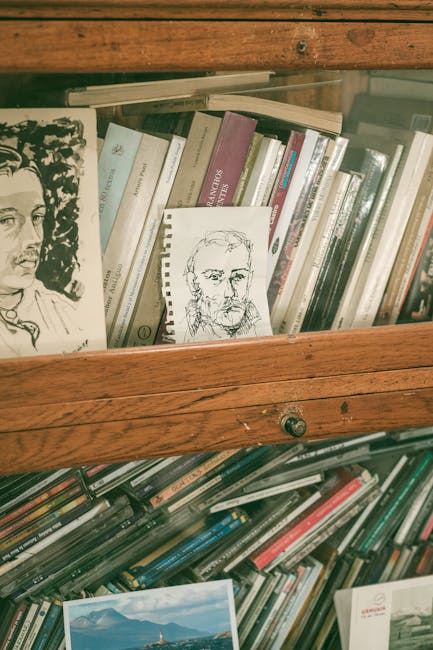
- Autograph scores where Pavarotti’s handwritten annotations are visible: breaths, phrasing, dynamics. These manuscripts are precious witnesses to his personal approach to roles.
- Copies of scores paired with synchronized recordings in some rooms, giving visitors both an auditory and visual access to the work.
A close look at these scores highlights the technical demands and the search for vocal expressivity that defined his artistry.
Personal objects and mementos:
- Family photographs, letters, trophies and international awards displayed in the private life room.
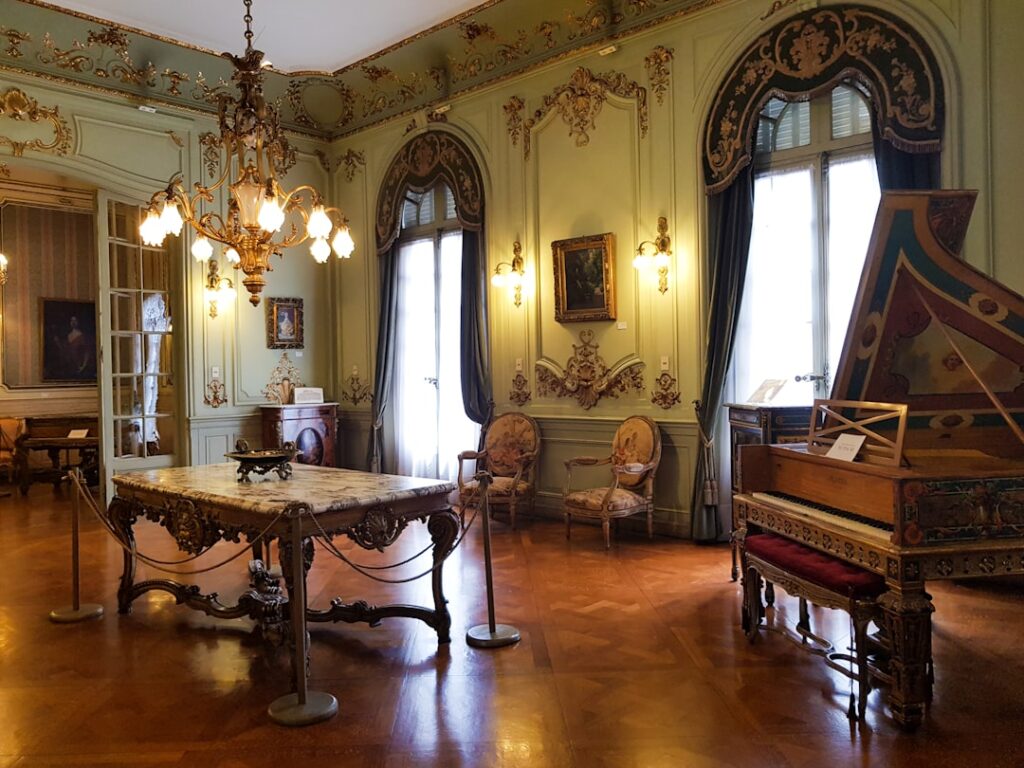
- His personal piano and the living room armchairs, recreating domestic intimacy and offering a striking contrast with the theatrical exuberance of the stage.
These elements make the visit emotionally rich: visitors discover not only the icon but the man behind the legend.
Multimedia installations:
- Video projections of historic concert excerpts (Concerts for Peace, performances at the Metropolitan Opera, etc.).
- Listening stations with high-quality recordings that let you appreciate vocal color, range and interpretive nuance.
The scenography alternates between quiet displays and immersive audio moments that literally transport visitors into the heart of the performance.
Around the Museum: Routes, Restaurants and Practical Tips in Modena
After visiting the Casa Museo, Modena offers many ways to extend the cultural and gastronomic experience. The proximity to other major sites makes it easy to build a coherent and enjoyable half-day or full-day itinerary.
Nearby sites and museums:
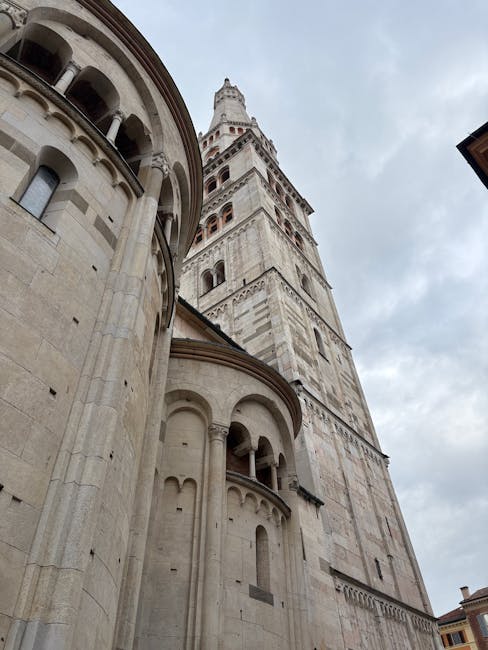
- Duomo di Modena (Cattedrale di Santa Maria Assunta, Piazza Grande, 41121 Modena) — a masterpiece of Romanesque art with its bell tower (the Ghirlandina), both listed as UNESCO World Heritage. About a 5–10 minute walk from the Casa Museo.
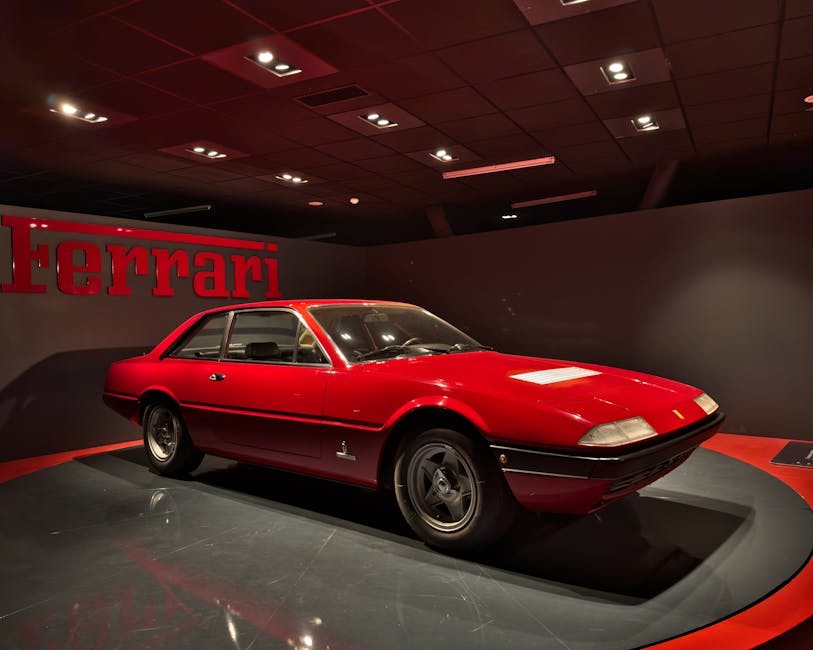
- Museo Enzo Ferrari (Viale Ciro Menotti 8, 41121 Modena) — a must for car and design enthusiasts, roughly a 20-minute walk or a 5-minute taxi ride.
- Mercato Albinelli (Piazza XX Settembre, 41121 Modena) — the historic covered market ideal for tasting local products: Modenese ham, Parmesan, fresh fruit and vegetables.
Restaurants and specialties:
- Osteria Francescana, Via Stella 22, 41121 Modena — Massimo Bottura’s Michelin-starred restaurant; booking is essential, it’s haute cuisine at a very high price point and needs to be reserved well in advance.
- Trattoria Aldina, Via De’ Pepoli 8, 41121 Modena — traditional Emilia-style cooking, classic dishes like tortellini in brodo and tagliatelle al ragù. (Hours: lunch 12:00–14:30, dinner 19:30–22:30; average price €20–40 per person.)
- Stalls at Mercato Albinelli — for quick, authentic tastings (prices vary widely; portions are good for sharing).
Transport and parking:
- By train: the main station is Modena Stazione Centrale, about 1.2 km from the Casa Museo (15–20 minutes on foot). Walk via Corso Canalgrande and Piazza Roma, then head toward Via Castelvetro.
- By car: several nearby car parks: Parcheggio Novi Sad (Via Alice 5) or Parcheggio Piazza Roma (Piazza Roma), usually paid — check payment times and daily rates (typically €1.50–2.50/hour depending on the zone).
- Buses and taxis: the city bus network connects the station with the center; taxis are available at the station and the main square.
Local tips and best practices:
- Prefer a morning visit to avoid crowds, especially on weekends. Just after opening tends to be the quietest time.
- If you’re a music enthusiast, check for special events: recitals, screenings or talks can change room layouts or the availability of certain items.
- Buy authentic souvenirs: vinyl records, facsimile scores or replica concert programs make lovely keepsakes.
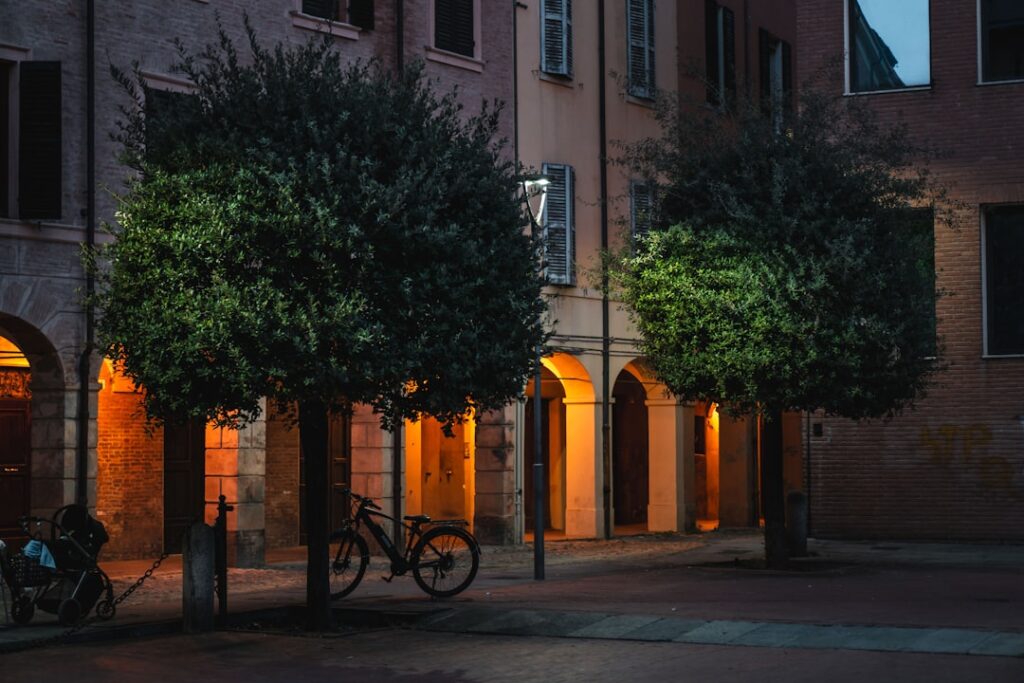
- Take time to wander: the small streets around Via Castelvetro have craft shops and Italian-style cafés where you can extend the visit.
Tips for a Memorable Visit and Final Recommendations
To make your time at the Casa Museo Pavarotti truly memorable, here are practical and cultural recommendations based on other visitors’ experiences and museum best practices.
Before your visit:
- Book your ticket online if possible, especially in high season (April–October) or during summer festivals. Spaces for guided tours and screenings are limited.
- Allow 1h30 to 2h for a full visit if you want to listen to audio excerpts and read exhibit labels.
- If you’re driving, check parking availability in advance and note that some streets in the historic center are restricted traffic zones (ZTL). Ask your hotel or the tourist office for advice to avoid a fine.
During the visit:
- Follow conservation rules (do not touch display cases, avoid flash photography if photography is permitted). Some areas may prohibit photography to protect textiles and sensitive documents.
- Use the audio guides to deepen your listening: they provide anecdotes, historical detail and musical analysis that complement the visual display.
- Ask at the desk if rare excerpts or archival items are available on request; curators sometimes offer readings or special presentations.
After the visit:
- Extend the experience with a meal at a local trattoria to taste Emilia-Romagna specialties (tortellini, lambrusco, Parmesan, traditional balsamic vinegar). It’s a perfect way to end a day devoted to Italian culture.
- Check the program at Teatro Comunale di Modena if you’d like to attend an opera or concert — schedules sometimes coincide with special exhibitions at the museum.
- Consider buying a guidebook or exhibition catalogue at the museum shop: it keeps the visit alive and makes an informative souvenir.
Contact Info and Useful Links
For last-minute information, updated opening hours or group bookings, consult the official site or contact the Casa Museo reception. Local tourist offices (Modena Tourist Office, Piazza Grande) can also provide extra details about events and connections to other museums.
In short, the Casa Museo Luciano Pavarotti at Via Castelvetro 16 is an essential stop for anyone wanting to understand both the man and the artist, and for those who wish to experience Modena more deeply: music, history and gastronomy meet in this welcoming small city. Plan ahead, book if necessary, and let yourself be carried by the voice and the objects — you’ll leave with images and emotions that last.
Conclusion: Leaving Modena with the Voice in Your Head
A visit to the Casa Museo Luciano Pavarotti leaves a lasting impression: a sense of renewed closeness to an artist whose voice filled opera houses around the world. The museum route, thoughtfully organized, offers a full and moving account of the tenor’s career and private life — from majestic costumes and annotated scores to intimate personal mementos. Framing the house within the wider context of Modena — its cathedral, markets and dining scene — helps explain the balance between the grandeur of an international career and a deep attachment to local roots.
Visiting the Casa Museo is both a cultural and sensory journey: listening to excerpts, seeing the costumes and feeling the intimacy of the rooms creates a narrative that goes beyond chronology. The practical tips in this guide will help you prepare for a smooth visit: bookings, best times, suggested duration and parking advice. The area around the museum naturally extends the visit, whether with a stop at the Mercato Albinelli, a detour to the Duomo di Modena or a meal in a traditional trattoria.
Whether you’re new to opera or a devoted fan, the Casa Museo Pavarotti offers an accessible, rich experience: it invites you to listen again to famous recordings imagining the stage, to study a score’s details to understand interpretive choices, and to feel the human dimension of an icon. By preparing your visit carefully (hours, tickets, accessibility) you’ll make the most of your time and fully absorb the sounds and objects. Lastly, don’t forget to bring a cultural memento — a catalogue, a record or a reproduction program — so you can savor at home the pleasure of this unique meeting between costumes and scores.
Enjoy your musical journey in Modena: may your visit to the Casa Museo Luciano Pavarotti leave you, as it has so many listeners, with the resonance of a voice and the warmth of an era.