





Introduction — Modena: a culinary capital of markets, cheese shops and Parmigiano-Reggiano
Modena isn’t just famous for sports cars and its Romanesque cathedral: it’s a must-visit for anyone who loves authentic food. Nestled in the heart of Emilia-Romagna, the city and its surroundings form a compact culinary world where traditional markets, historic salumerie, artisanal cheesemakers and Parmigiano-Reggiano dairies tell the story of a generous terroir. This foodie itinerary walks you through, whether you’ve got a weekend or several days, so you can taste, learn and bring home exceptional products.
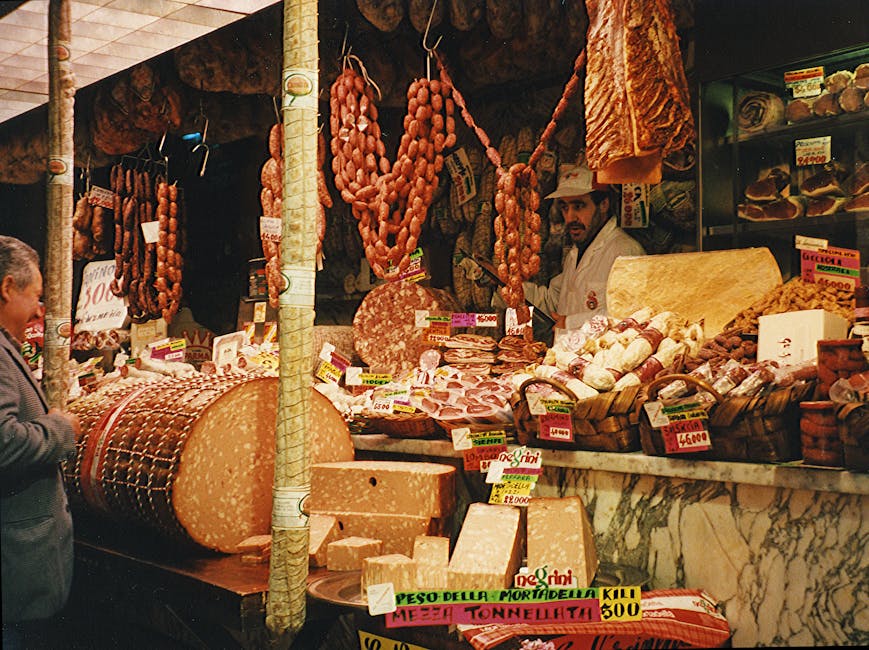
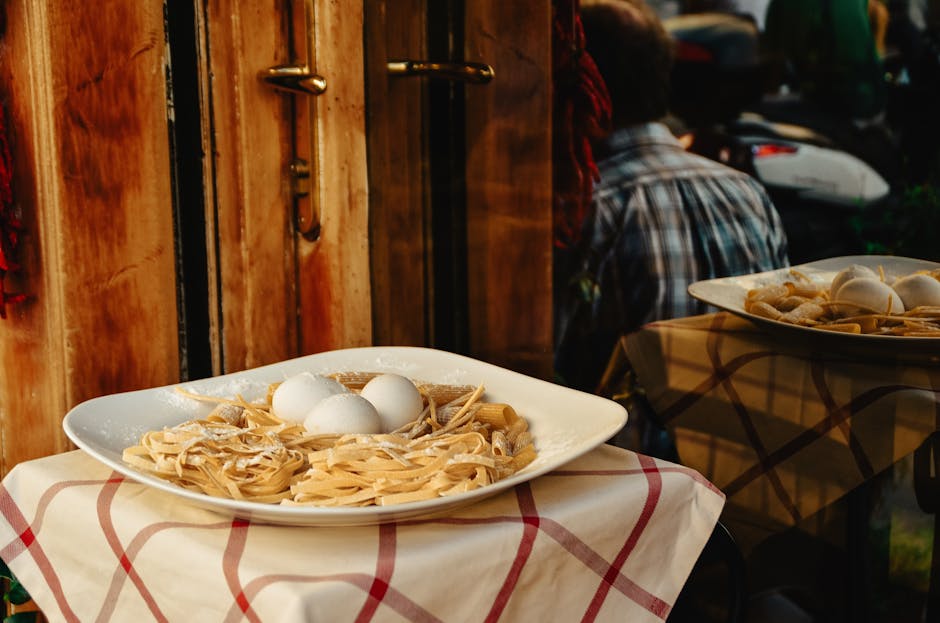
The experience often starts in a piazza or beneath a glass roof, where local vendors sell seasonal fruit, crunchy vegetables, sliced charcuterie on demand and cheeses still warm from the day. Mercato Albinelli is the perfect example: a covered market founded in 1931 and today the vibrant heart of the city centre. After browsing the stalls you’ll come across century-old salumerie — like the famed Antica Salumeria Giusti — where prosciutto and culatello are aged using techniques handed down through generations. And don’t forget the trattorie and osterie serving tagliatelle al ragù made with real local meat and quality peeled tomatoes.
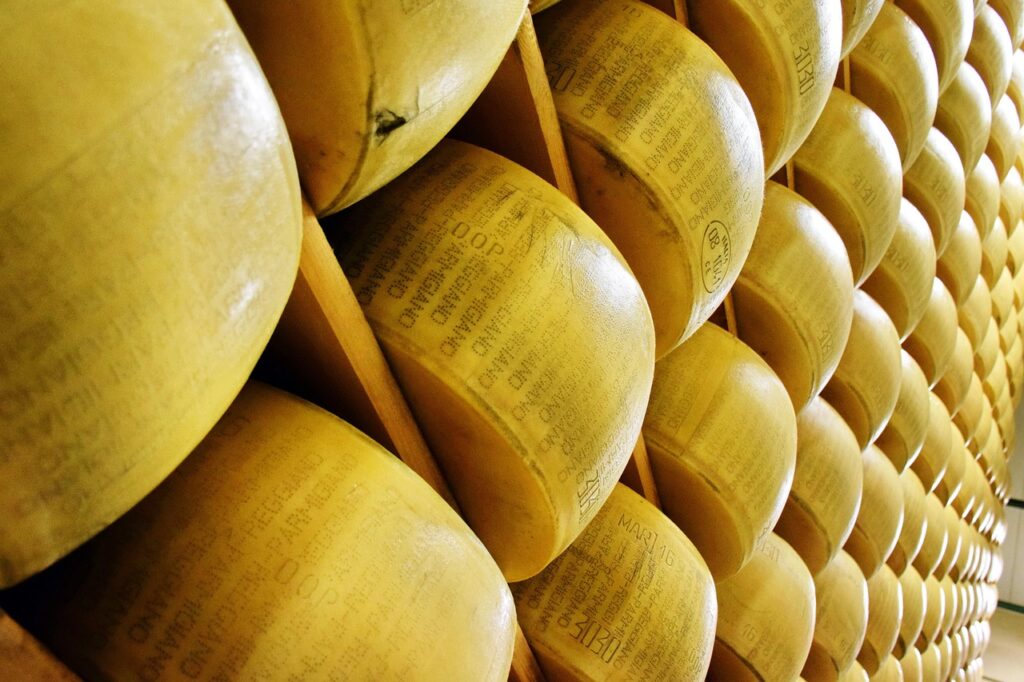
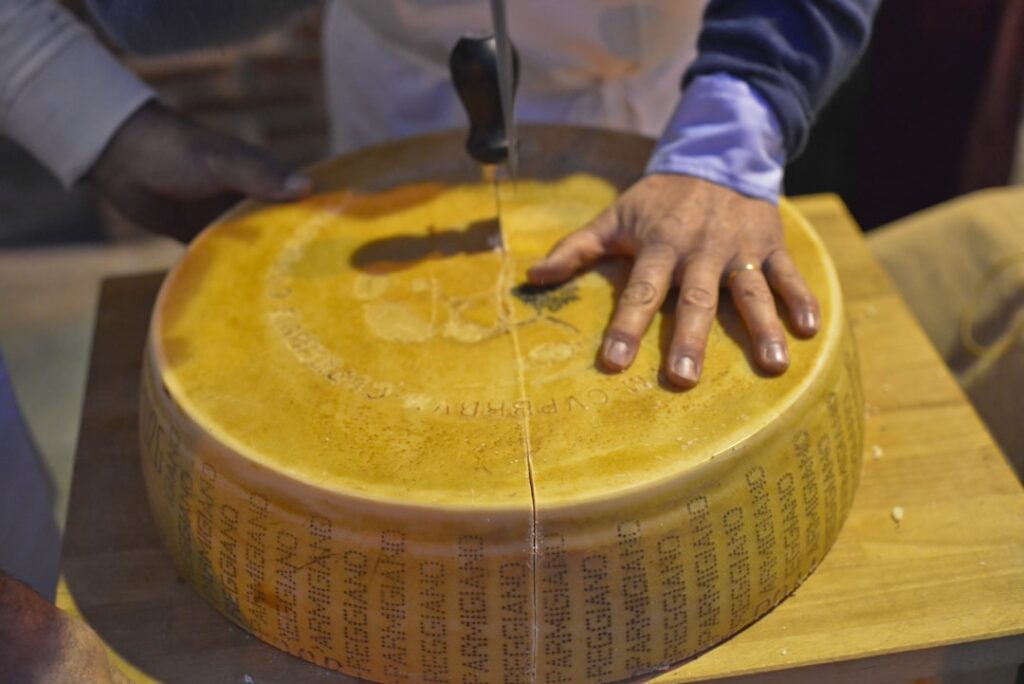
The highlight of any culinary trip around Modena is discovering Parmigiano-Reggiano: a granular cheese with evolving flavours produced under strict rules. Farms and caseifici (cheese dairies) in the “zona tipica” — the specific geographic area for production — often welcome visitors by appointment. These visits let you see milking, draining, moulding and ageing up close: you’ll learn how raw milk becomes a wheel weighing 35–40 kg and why ageing (12, 24, 36 months or more) completely transforms the flavour profile.
This guide offers a practical, immersive route: must-see markets in Modena, recommended salumerie and cheese shops in the centre, excursions to Parmigiano-Reggiano dairies on the city’s outskirts, and local tips for buying, tasting and packing specialties without mistakes. You’ll find exact addresses, typical opening hours, price ranges and recommendations to make the most of every stop. Whether you’re a solo traveller, a curious couple or a group of food-loving friends, this itinerary will help you plan reliable, memorable culinary experiences.
1) Modena’s must-see markets: where to go, opening hours and visiting tips
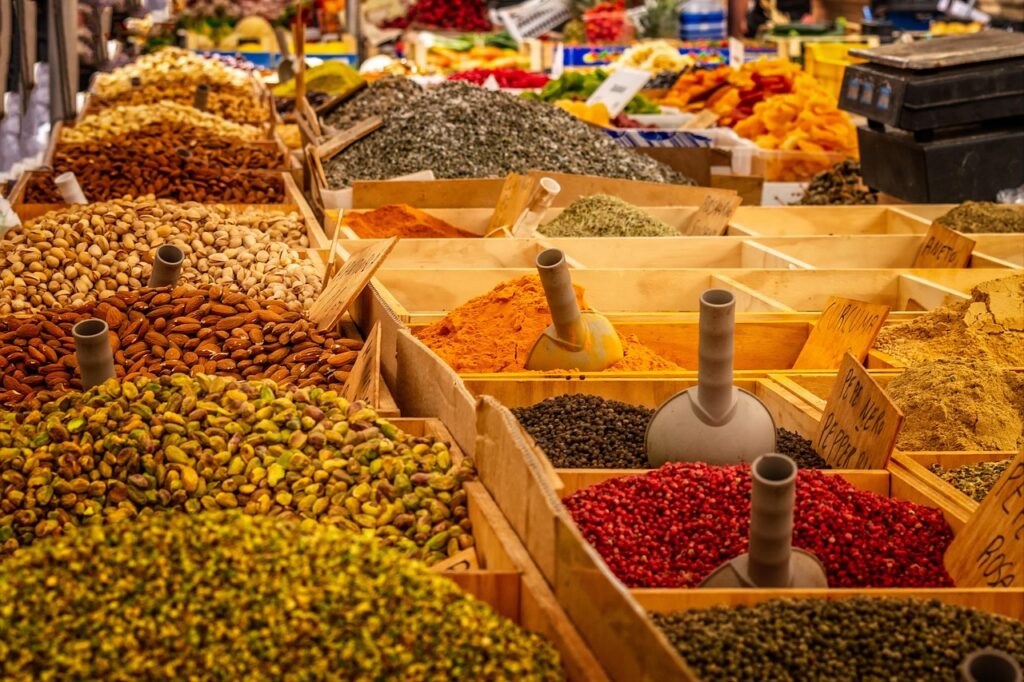
Start your immersion with a visit to the markets: this is where seasonality is visible at a glance and where you can meet producers directly. The emblematic spot is Mercato Albinelli (Mercato Albinelli), a covered market right in the city centre. Address: Mercato Albinelli, Via Luigi Albinelli 71, 41121 Modena MO. Typical hours: Monday–Saturday 07:00–14:00, closed Sundays (some stalls stay open until 18:00 for special events). Free entry. Here you’ll find fish, meat, fruit, vegetables, fresh herbs and small shops specialising in cheeses and cured meats. Best times to go: 08:00–10:30 for the widest selection, or just before closing to snap up reductions on perishables.
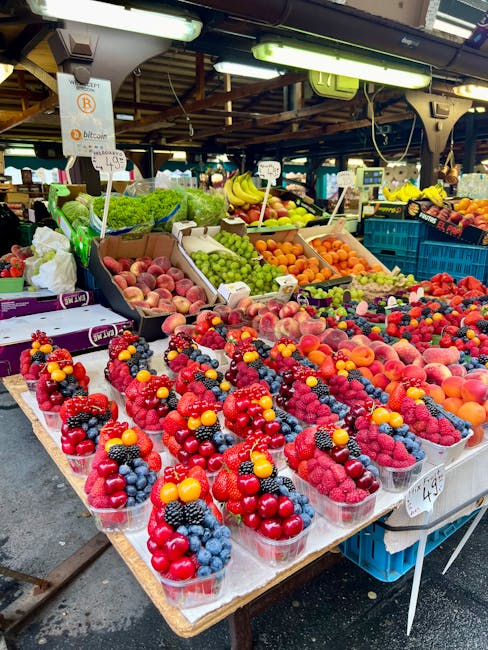
Another place to add to your route is the Mercato delle Erbe (Market of Herbs) – less famous than Albinelli but with a neighbourhood market vibe and organic products. Indicative address: Via Emilia Centro (sector), Modena. Hours: Wednesday and Saturday mornings, 08:00–13:00. Prices: variable (fruit/veg from around €1–3/kg depending on season).
Finally, for a more artisanal and evening-oriented approach, check out temporary markets and local fairs (sagre) held in nearby towns like Castelvetro di Modena or Nonantola, usually advertised locally. These events are great for tasting-speciality purchases: slices of prosciutto, plates of Parmigiano-Reggiano shaved for sampling (€3–8) and small bottles of balsamic vinegar for tasting (€5–15).
- Practical tips: Bring reusable bags, carry some cash (small stalls sometimes accept only cash), and if you buy a large piece of cheese, ask the stall for vacuum-packing (often €3–5) for transport.
- Best time to visit: spring and autumn for the widest variety of vegetables and the season for fresh charcuterie.
2) Historic salumerie and cheese shops in the centre: tastings and shopping
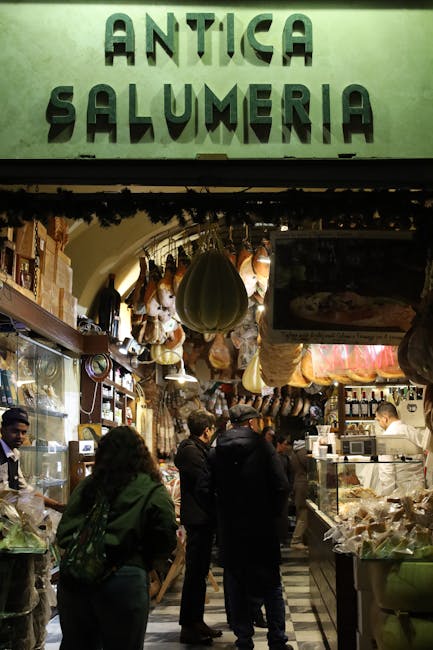
After the markets, continue to historic shops where cured meats and cheeses have been aged and sold for generations. A must-visit is Antica Salumeria Giusti, Via Luigi Carlo Farini 37, 41121 Modena MO. Hours: Tuesday–Saturday 09:00–13:00 and 15:30–19:30, closed Sunday and Monday mornings. Expect tasting plates from about €8–18 depending on the selection, and the ability to order whole pieces of culatello or aged prosciutto (prices vary, approx. €40–150/kg depending on ageing).
Another recommended stop: La Bottega del Parmigiano (small specialist shops scattered around the centre, often near Piazza Grande). These shops sell portions of Parmigiano-Reggiano clearly labelled by age: 12 months (young, about €12–16/kg in portions), 24 months (classic, €18–30/kg), 36 months and over (aged, €30–60/kg depending on the wheel and rarity). Expect to pay €5–12 for a tasting platter featuring several ages.
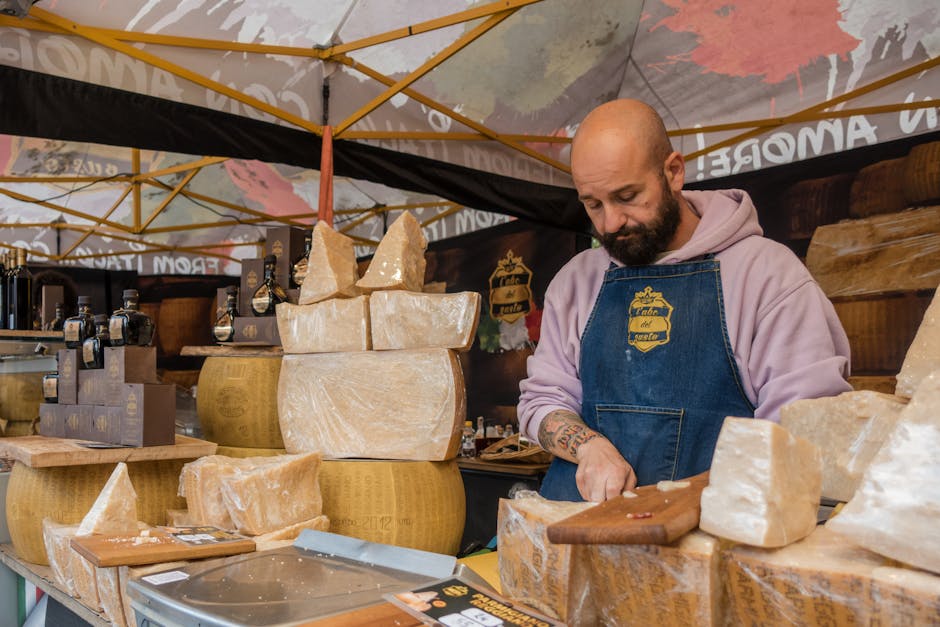
Some city cheesemongers run short introductory workshops (60–90 minutes) including a small cellar tour and a guided tasting. Typical price: €12–25 per person. Book ahead during the high season (April–October) or on weekends. Workshops are usually in Italian but many shops can provide explanations in English on request.
- Buying tips: Look for the Parmigiano-Reggiano Consortium seal and the mark on the rind; ask for the production year and the ageing length. If flying with cheese, have it vacuum-packed to avoid issues in carry-on luggage.
- Foodie trick: Buy a 200 g piece of 24-month and a 200 g piece of 36-month: compare the texture and the tyrosine crystals; add a bit of fig jam or a drizzle of balsamic vinegar to reveal sweet-salty notes.
3) Visiting a caseificio: what to expect at a Parmigiano-Reggiano dairy
To truly understand Parmigiano-Reggiano, book an excursion to a caseificio (farm dairy) in the protected zone around Modena. Many farms welcome visitors by appointment and offer guided tours from milking to salting. One example of a visitor-friendly farm: Caseificio La Torre, Via Provinciale 14, 41012 Carpi MO (a typical address for a welcoming dairy near Modena). Visiting hours: by appointment, usually 09:00–16:00, every day except Sunday afternoon. Indicative price for a guided visit: €10–18 per adult (includes tasting of 24–36 month cheese and a small basket of local products).
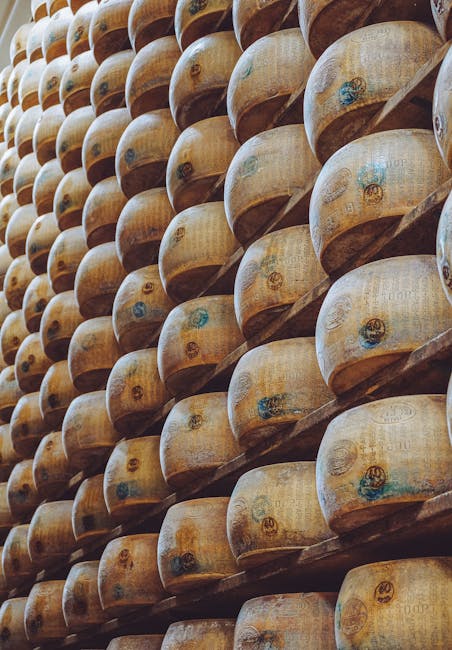
A typical visit unfolds like this: welcome and explanation of the production cycle, a look into the production room (raw milk heated in large copper vats), moulding and pressing the wheels, then the obligatory visit to the ageing cellars where wheels rest on wooden slats for months or years. The cheesemaker will show you how to recognise a good wheel (the sound when tapped, absence of internal faults, the grain) and explain the Consortium controls. Young wheels (12–18 months) are softer and creamier; older ones (36–48 months) develop crystals and aromas of dried fruit and almond.
Practical tips for the visit: wear closed shoes, bring a jacket (cellars are cool), and book several days in advance during the high season. If you want to buy a whole wheel, check transport and vacuum-packing: dairies often offer the service for an extra fee of around €5–10.
- Cost and duration: Typical visit 60–90 minutes, tasting included, €10–25 per person.
- Local tip: Ask for a vertical tasting (samples aged 12, 24, 36 months) to appreciate the evolution of flavours; take notes on textures to help decide what to buy.
4) Combined routes: markets, osterie and pairing with traditional balsamic
A foodie visit to Modena isn’t limited to cheese: it’s about pairing it with other regional products, especially traditional Aceto Balsamico di Modena. For a full experience, combine a morning at the market, an afternoon at a salumeria, then an evening balsamic tasting. A reference acetaia is Acetaia Malpighi, Strada Castelvetro 73, 41014 Castelvetro di Modena MO (some acetaie open only by appointment). Hours: visits by reservation, 10:00–17:00. Guided tasting price: €8–20 depending on the number of samples (5–10 years, 12–18 years, 25+ years).
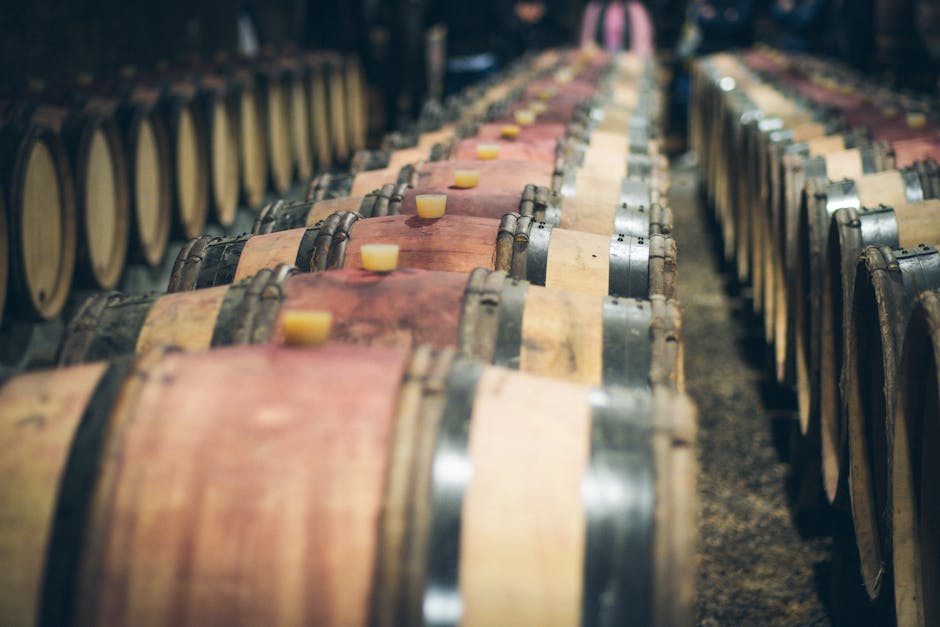
A sample day itinerary: morning at Mercato Albinelli for shopping and an espresso (espresso €1–1.50), visit a dairy on the outskirts around 11:00–12:00 (€10–18), lunch in a local osteria like Osteria Francescana (if you managed to book way in advance) or a more approachable option, Trattoria Ermes, Via Giuseppe Verdi 2, 41121 Modena MO (main courses €10–18). In the afternoon, head to an acetaia to learn about ageing in wooden casks and taste vinegars of different ages. Finish with a visit to a historic salumeria and a prosciutto tasting paired with a 24–36 month Parmigiano-Reggiano (tasting plate €12–25).
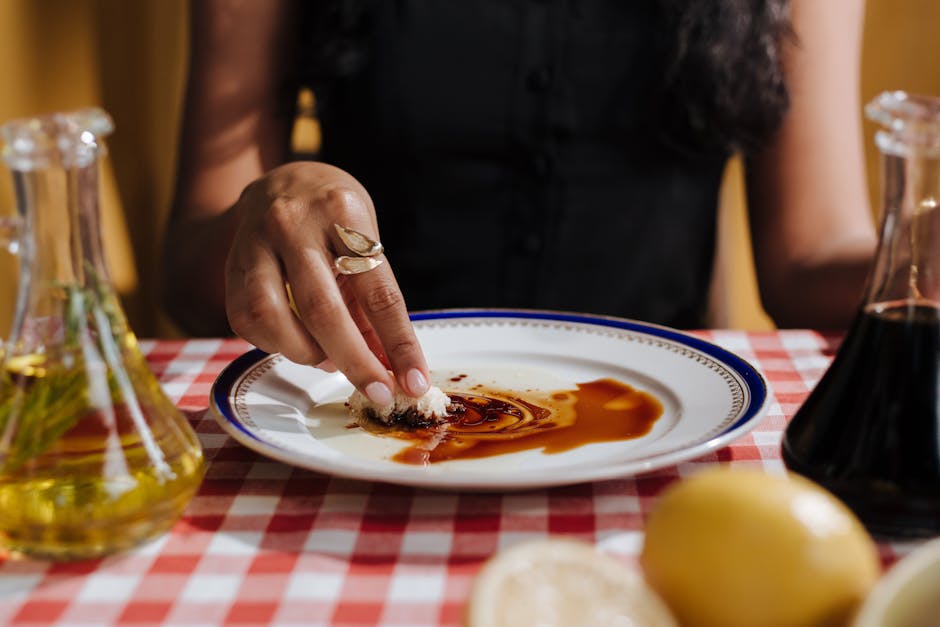
- Recommended pairings: Parmigiano-Reggiano 24 months with 12-year balsamic: a great balance of acidity and salt. Parmigiano 36+ months with chestnut honey or fig jam to heighten the umami notes.
- Estimated daily budget: market + coffee + dairy tasting + lunch + acetaia visit = €40–90 per person depending on choices and dining options.
Conclusion — Pack the spirit of Modena in your suitcase: final tips
Modena is best experienced with your senses: touch the wheels, smell the cellars, taste the concentrated milk and the refined acidity of balsamic. To get the most from this foodie itinerary, plan ahead — especially for caseificio and acetaia visits that often require reservations. Bring a cool bag for the trip home if you buy perishables, and always ask for vacuum-packing for cheese if you’re flying. The prices quoted in this guide (tastings €5–25, breads and portions €1–20, wheels €18–60/kg depending on age) are realistic ranges; in high season and touristy shops expect possible markups of 10–20%.
When tasting, don’t settle for just one ageing: discovery comes from comparing 12, 24 and 36 months. Learn to recognise the grain (more pronounced with age), the presence of tyrosine crystals, and the balance between saltiness and fruity notes. Above all, take time to stroll the stalls at Mercato Albinelli, chat with a cheesemonger and share a charcuterie plate with a glass of local Lambrusco. The locals (i modenesi) are proud of their food and usually happy to point you to the best producer or tavern for the season.
If you’re short on time, focus on one day combining the market + a specialist shop + a short farm visit: it’s enough to grasp the essence of Parmigiano-Reggiano and bring home lasting culinary souvenirs. If you have more time, explore surrounding villages for local sagre, cooking workshops and family-run acetaie: that’s where you’ll truly feel the tradition that makes Modena’s gastronomy so unique. Buon viaggio e buon appetito — savour every bite.