





Introduction: Discovering the Hidden Gems of the Casa Museo Luciano Pavarotti in Modena
The Casa Museo Luciano Pavarotti is one of the most emotionally charged sites in Modena, the hometown of the Italian tenor who left a mark on the 20th century. Tucked away in a residential neighborhood close to the historic center, this house-museum offers visitors an intimate walk through the life, career and daily habits of an artist who conquered the world with his voice. More than just a museum, the Casa Museo is a kaleidoscope of personal belongings, instruments, stage costumes, annotated scores and preserved living spaces that tell the story of the man behind the legend.
Visiting the Casa Museo Luciano Pavarotti is also a way to understand Modena from a human perspective: the meeting of a local musical culture, a gastronomic terroir and a social fabric that shaped an internationally renowned artist. The museum route, laid out in the family home, highlights everyday details — the childhood bedroom, the practice room, the recording studio — and shares little-known anecdotes that humanize the maestro. Multimedia installations and temporary exhibitions round out the visit, allowing you to rediscover historic recordings, interviews and footage of iconic concerts.
This practical guide offers a complete immersion: exact addresses, opening hours, current prices in euros, tips to optimize your visit, and small delights many visitors miss when rushing through. Whether you’re an opera fan, a curious music lover or a culturally-minded traveler, the Casa Museo Luciano Pavarotti has hidden treasures — artworks, rare photographs, original scores — as well as quiet corners perfect for reflection. You’ll find concrete information here to prepare your visit (ticketing, access, recommended duration), suggestions for pairing the museum with other Modena attractions, and local tips to make the most of the experience.
Finally, this piece emphasizes the contrast between the grandeur of the international stages where Pavarotti sang and the preserved domestic intimacy of his home. The objects on display tell that dual story: the simplicity of a family kitchen next to sumptuous costumes, scores scribbled on the dining table, a piano in a modest room alongside posters that toured the world. Each visitor can feel close to the artist, trace his path from Modena to the most prestigious opera houses, and leave with a deeper understanding of the cultural legacy Pavarotti left his native city.
1. Practical information: location, opening hours, prices and reservations
The Casa Museo Luciano Pavarotti is located at: Casa Museo Luciano Pavarotti, Via San Prospero 90, 41121 Modena (Provincia di Modena), Italia. The museum is easy to reach from the city center: expect about a 15–20 minute walk from the Piazza Grande or a 5–10 minute taxi ride. If you prefer public transport, several urban bus lines serve the area; check local timetables in advance as some routes reduce frequency in the evening.
Typical opening hours (confirm before visiting for possible seasonal changes):
- Tuesday to Sunday: 10:00 – 18:00 (last admission at 17:00)
- Closed on Mondays
- Closed on December 25 and January 1
Indicative prices (listed in euros):
- Standard adult ticket: €10.00
- Reduced rate (students, seniors >65, groups): €7.00
- Children (<12): free admission or symbolic fee depending on temporary exhibitions
- Private guided tour (by reservation): from €60.00 for a small group (confirm rate with ticket office)
Booking tips: Book online via the Casa Museo’s official site or by phone to secure your time slot, especially in high season (April–October) and during commemorative events. A self-guided visit usually lasts 45–60 minutes; a detailed guided tour can run from 1 to 1.5 hours depending on depth and questions. Plan to arrive 10–15 minutes before your ticket time for entry checks and to enjoy the garden or the façade before going in.
2. Rooms not to miss and the hidden treasures
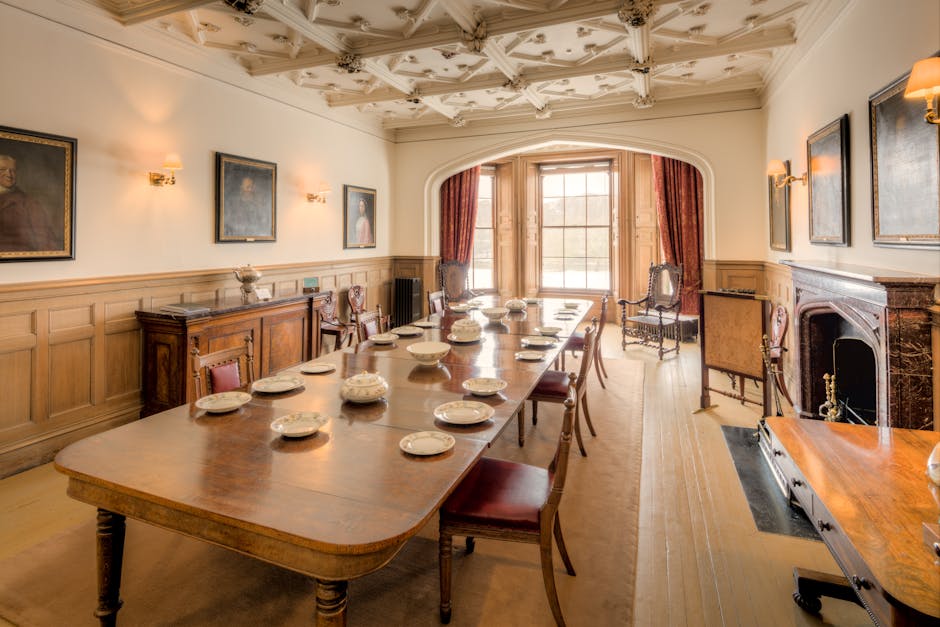
The Casa Museo is laid out across several themed rooms that, together, recreate Luciano Pavarotti’s private and professional life. Standout spaces include the practice room where the maestro warmed up, the dining room with annotated scores and personal letters, and the small studio where some private takes were recorded. These rooms hold tangible, moving objects: a gala costume worn by Pavarotti, his personal glasses, the original music stand, and never-before-seen photos of rehearsals and tours.
Keep your eyes peeled for these hidden gems:
- Original scores with handwritten annotations — often displayed under glass, revealing edits and technical notes.
- Behind-the-scenes rehearsal photographs — offering a spontaneous, human glimpse into moments before performances.
- Everyday objects preserved as they were — a kitchen mug, a favorite chair, or personal furniture that narrate an artist’s routine between tours.
- Rare recordings — audio or video tapes not available elsewhere, sometimes screened in a small but highly immersive room.
Attentive visitors will also notice Modenese architectural details: wood paneling, terracotta tiles, small niches and windows that let in a distinctive light. These modest elements contribute to the intimate atmosphere of the house. Temporary exhibitions often showcase loans from private collections or documents from international archives — check the program when you visit to catch these often-ephemeral highlights. Finally, the museum shop offers reproductions of scores, CDs, monographs and quality souvenirs; it’s a great way to take a tangible piece of the visit home.

3. Combined itineraries in Modena and local tips
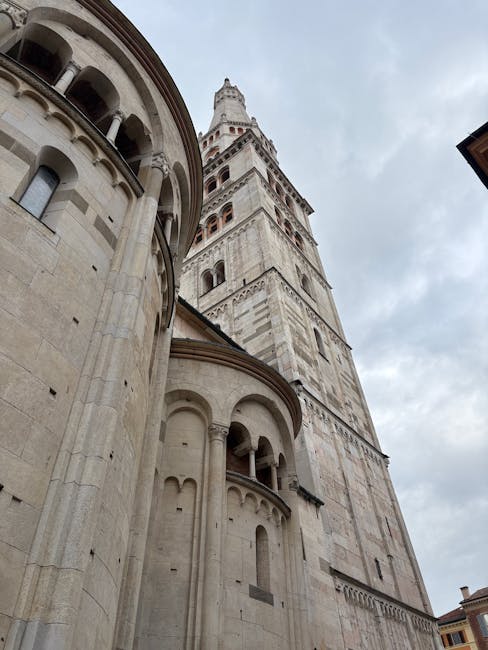
The Casa Museo Luciano Pavarotti fits perfectly into a cultural day out in Modena. Here’s a suggested itinerary to make the most of your time: start with a morning at Piazza Grande and Modena Cathedral (Duomo di Modena, Piazza Duomo, 41121 Modena), then walk to the Enzo Ferrari Museum (Museo Enzo Ferrari, Via Paolo Ferrari 85, 41121 Modena) for an automotive and technological experience before heading to the Casa Museo in the afternoon for a more intimate visit. The close proximity of these sites lets you alternate grand scale attractions with private insights all in one day.
Useful nearby addresses:
- Duomo di Modena (Modena Cathedral) — Piazza Duomo, 41121 Modena — free to admire from the outside; guided visits available for a fee (check with the tourist office).
- Museo Enzo Ferrari — Via Paolo Ferrari 85, 41121 Modena — tickets roughly €10–17 depending on the exhibition; opening hours usually 10:00–19:00 (seasonal variations apply).
- Mercato Albinelli — Piazza XX Settembre, 41121 Modena — a covered market ideal for tasting local products (aceto balsamico, parmigiano reggiano).
Local tips:
- Try traditional Modenese aceto balsamico at one of the specialist shops near Mercato Albinelli; ask for a guided tasting.
- For lunch, choose a Modenese trattoria: hearty dishes like tortellini, tagliatelle and ragù. Book ahead during peak lunch hours (12:30–14:00).
- Wear comfortable shoes: cobbled streets and the intimate museum spaces involve walking and careful footing.
4. Complementary experiences and special events
The Casa Museo regularly hosts events: lectures, screenings of historic concerts, masterclasses and themed evenings in tribute to Luciano Pavarotti. These events are often announced on the museum’s official site and social media channels. Attending a screening or a masterclass adds an extra layer to the visit: hearing commented excerpts or watching a vocal demonstration helps you understand the maestro’s techniques and artistry.
Music lovers should also check for concerts and recitals in Modena, particularly at the Teatro Comunale di Modena (Via Gallucci, 41121 Modena): a great opportunity to hear the local vocal tradition in a professional setting. If you plan your visit around a regional music festival, pairing it with the Casa Museo can make for an even more intense cultural and emotional experience.
Another option: book a themed guided tour (by reservation) — for example « Pavarotti and the international stage » or « The maestro’s scores » — which deepens a specific aspect of his artistic life. Local guides often have anecdotes and privileged access to archives and can tailor the visit to your interests, whether musicological, biographical or patrimonial.
Finally, for travelers wanting to extend the experience, several workshops and artisan shops in Modena offer products directly connected to local culture: score-binding, limited-edition vinyl releases, and stores specializing in musical accessories. These spots are excellent for finding a lasting memento and seeing how Pavarotti’s legacy continues to inspire local creators.
Conclusion: A memorable visit and tips to enjoy it fully
The Casa Museo Luciano Pavarotti in Modena is far more than an exhibition space: it’s an intimate journey into the life of one of the greatest opera singers. By combining documentary elements (scores, costumes, recordings) with preserved domestic spaces, the museum makes tangible the relationship between the person and the artist. To get the most from your visit, book in advance, opt for a guided tour if you want deeper musical insight, and pair the museum stop with a stroll through Modena’s historic center and a tasting of local specialties like aceto balsamico and parmigiano reggiano.
Before you go, check the events calendar and temporary exhibitions: they often enrich the visit with exceptional loans and thematic talks. Above all, respect the tranquility of the place: much of the Casa Museo’s emotional power comes from its ability to offer moments of reflection and listening. Whether you’re a passionate opera fan or a curious traveler seeking an authentic cultural encounter, the Casa Museo Luciano Pavarotti promises a memorable visit, rich in details and emotion, that firmly anchors the maestro’s legacy in the heart of Modena and its visitors.