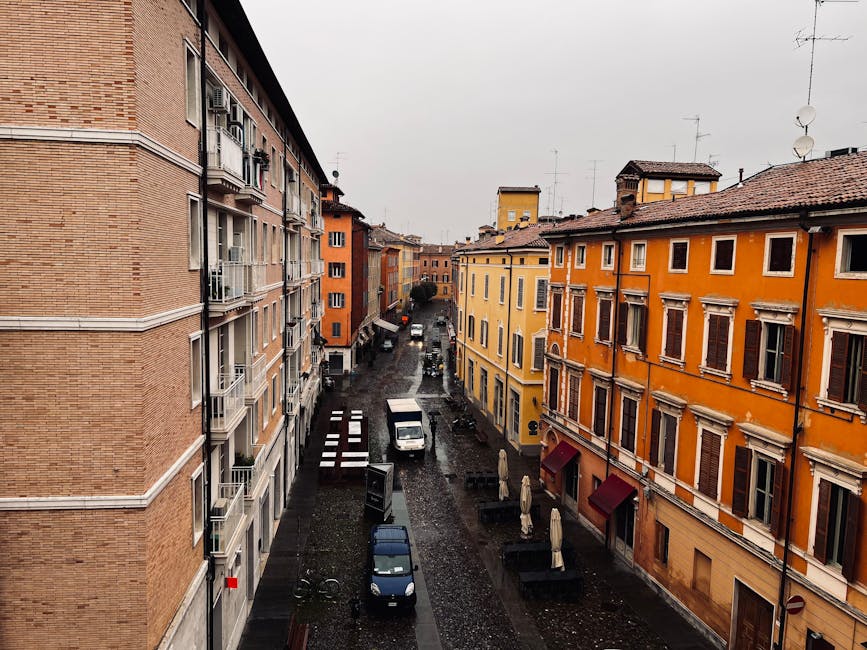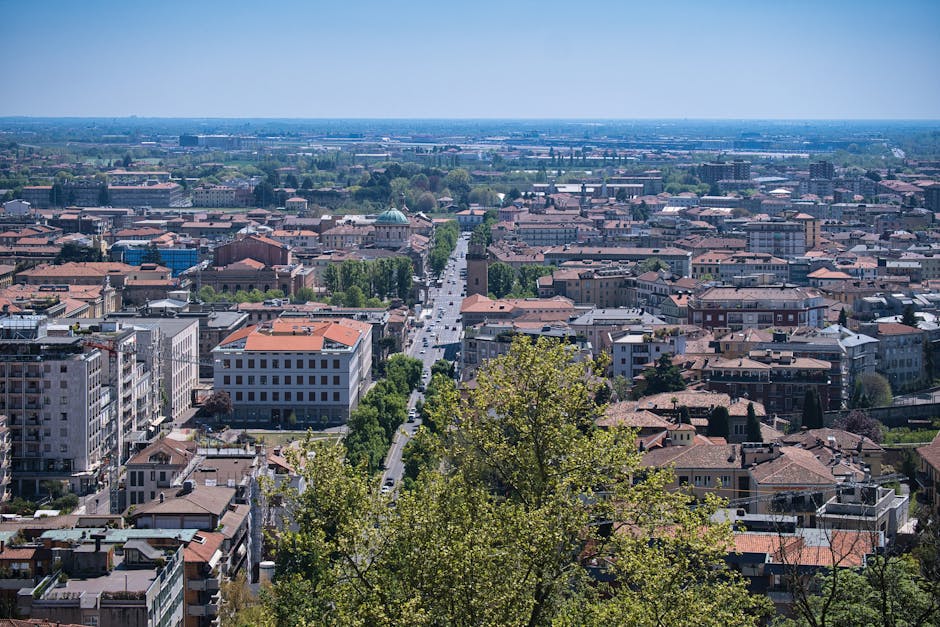





Introduction — Why Modena is the secret capital of Parmigiano-Reggiano
Modena, tucked in the heart of Emilia-Romagna, is often celebrated for its aged balsamic vinegar, high-performance cars and outstanding cuisine. But if you take the time to listen inside the dim ripening rooms and to the master affineurs, the city and its surroundings hold one of Italy’s best-kept culinary secrets: Parmigiano-Reggiano. Too often reduced to grated cheese on pasta, this product is actually the result of a slow, patient craft where every wheel tells a story of pasturelands, temperamental animals, changing seasons and skilled hands. In this guide—aimed at the curious traveler—I’ll help you understand not just the finished product but the whole backstage: the affineurs, production sites, markets where the terroir’s soul is palpable, and practical tips for tasting, buying and bringing wheels or wedges home with confidence.
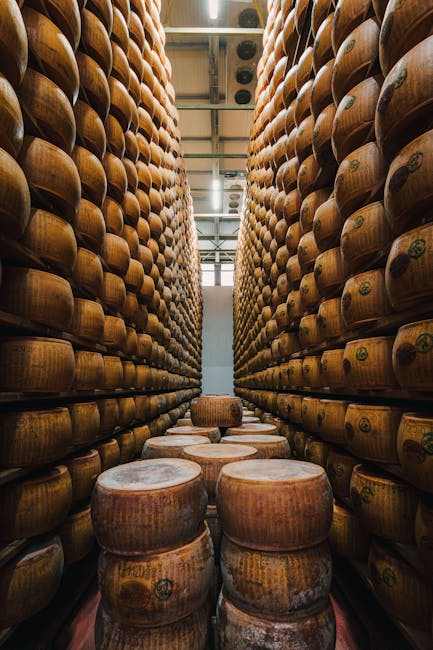
The bond between Modena and Parmigiano-Reggiano runs deep. The green pastures east and north of the city supply the grass and hay that determine milk quality. Small dairy workshops—from family-run caseificios to modern cooperatives—turn that milk into massive wheels, then hand them over to the affineurs. These specialists do more than store cheese: they observe, race against time, control humidity and salt, and monitor tiny tyrosine crystals that create the cheese’s signature granular texture. An experienced affineur, with gestures passed down through generations, can correct a batch, spot a new defect and decide the perfect moment to release a wheel for sale.
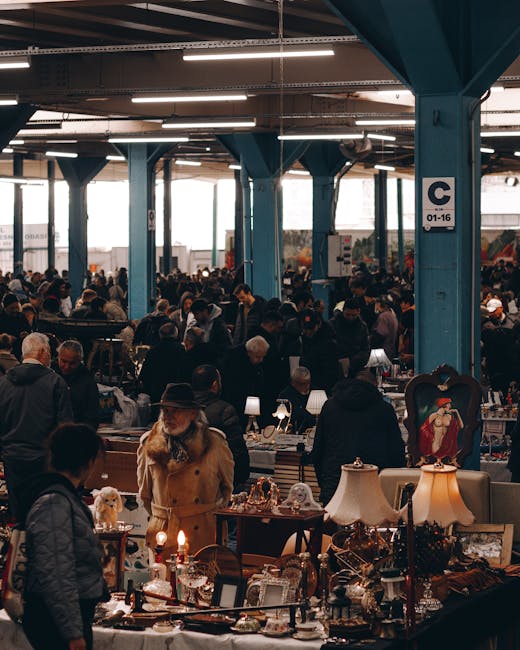
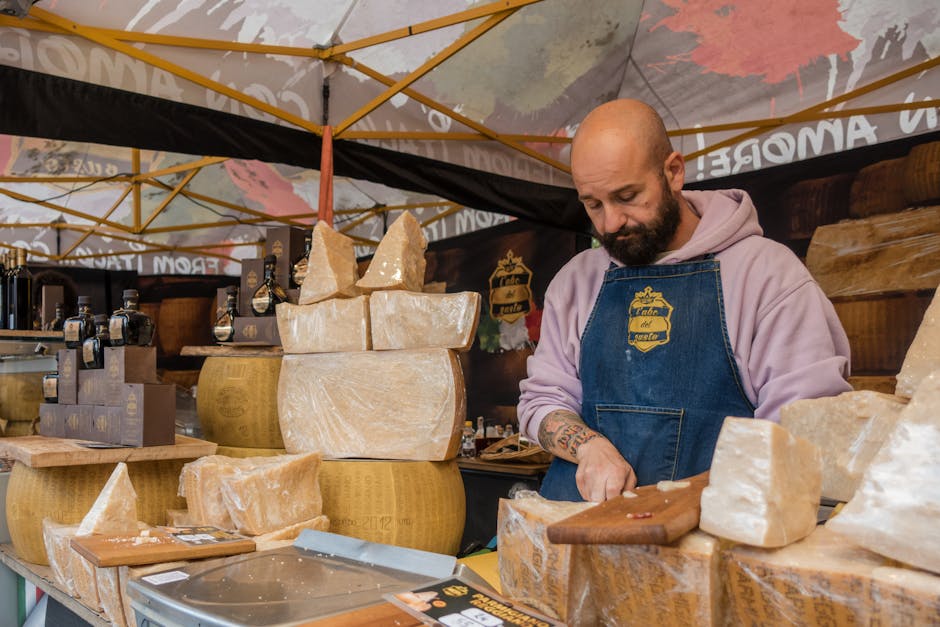
For visitors, Modena offers accessible experiences: lively market visits to places like Mercato Albinelli, where colorful stalls display Parmigiano-Reggiano aged 12, 24 or 36 months; hands-on workshops explaining the difference between an 18-month and a 48-month wheel; ripening cellars whose dry, animal aromas hit you as soon as you enter. This guide includes specific addresses, opening hours, current price ranges in euros and practical advice—how to recognize a genuine DOP wheel, how to haggle in a market, how to pack cheese for travel and which portions to favor depending on your culinary plans. Expect to pick up local vocabulary too: affinatore (affineur), stagionatura (aging), crosta (rind), grana (grain), e bontà (the goodness), plus a few tasting gestures used in professional tastings.
Finally, this guide isn’t just technical: it’s immersive. I describe places, textures and the sounds of an aging cellar (the hollow knock of a wheel during percussion, the smoky scent of wood) and share local tips like the best times to visit, realistic price ranges for different ages and small nearby spots where a well-chosen Parmigiano-Reggiano platter can turn lunch into a lasting memory.
1) Understanding Parmigiano-Reggiano: terroir, regulation and sensory nuances
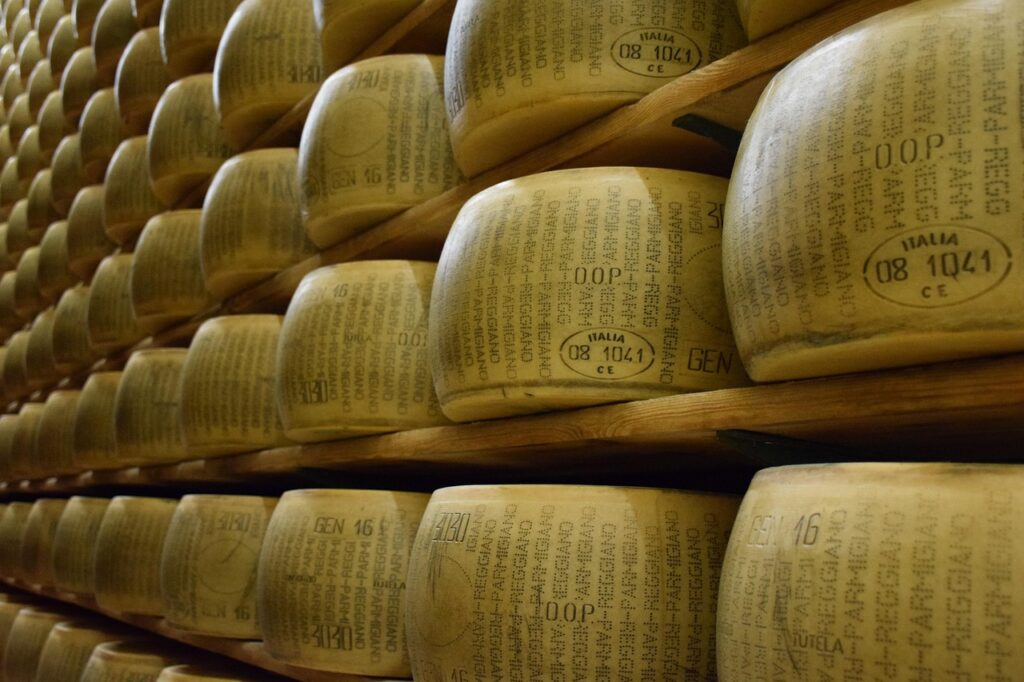
Parmigiano-Reggiano is not just a cheese; it’s a protected designation (DOP) governed by strict rules. Regulations cover everything: the cows’ diet (only local forages), the production area (the provinces of Parma, Reggio Emilia, Modena, Bologna west of the Reno, and Mantua east of the Po), manufacturing methods and even the exclusive use of natural rennet. For a traveler in Modena, it’s crucial to know that the best visits start at places that clearly display their DOP certification—and that every wheel’s rind is branded with the “Parmigiano-Reggiano” mark.
Sensory-wise, Parmigiano-Reggiano reads like a novel. At 12 months it keeps a softer texture, milky and grassy aromas and a mild, fresh taste—ideal for cooking. At 24 months it becomes firmer and saltier with notes of almond, dried apple and light crystallization. From 36 months onward (often 40, 48 or 60 months) the wheel shows more pronounced tyrosine crystals, a typical granular texture and an aromatic explosion—dried fruits, caramel and concentrated umami—best enjoyed on its own. Modena’s affineurs play with these stages: some target restaurants (favoring 24-month wheels) while others aim for connoisseurs and gourmet clients (36–60 months).
Indicative prices around Modena (May 2026): roughly €14–18/kg for 12–18 month Parmigiano-Reggiano; €16–22/kg for 24 months; €25–40/kg for 36 months; €50–90/kg for 48–60 months. Whole wheels (approx. 38 kg) are rarely sold to the general public, but shops offer half-wheels, quarters and smaller pieces. At markets like Mercato Albinelli (Piazza XX Settembre, 41121 Modena MO, Italy), 100–200 g slices sell between €2.50 and €8.00 depending on age.
Practical tips: check the branded rind and the date stamped on it; smell the paste (an overly “ammonia-like” odor signals a fault); ask for a small percussion with a finger or a tasting hammer—the seasoned affineurs perform a “rota” (rotation) of the wheel to check its sound and internal texture. If you can, taste several ages side by side; it’s the best way to appreciate an affineur’s craft.
2) Where to see affineurs at work in Modena: addresses, visits and practical hours
Modena and its surroundings host several traditional affineurs and modern workshops that welcome visitors—some by reservation, others accessible through markets or small shops. Here’s a practical selection with addresses, opening hours and useful info to plan your visits.
- Mercato Albinelli — Piazza XX Settembre, 41121 Modena MO. This historic covered market is open Tuesday to Sunday: 7:30–13:00, with Wednesday and Friday afternoons 16:00–19:00. Stalls offer Parmigiano-Reggiano aged 12–48 months; 100 g slices range from €3.00 to €9.00 depending on age. Perfect for soaking up the local atmosphere and chatting with vendor-affineurs.
- Caseificio Sociale Terre di Modena — Via Emilia Est 220, 41100 Modena (local unit). Visits by appointment Monday to Friday 9:00–17:00. Guided tours and tastings €12.00 per person; cutting and sound-check demonstrations €25.00.
- Botega dell’Affinatore – Negozio del Formaggio — Via Emilia Centro 48, 41121 Modena MO. Specialist shop open Tuesday to Sunday 10:00–19:30. By-weight sales: 24 months €18.00/kg, 36 months €32.00/kg, 48 months €55.00/kg. Guided tastings by reservation €20.00.
- Antica Affineria di Modena — Via San Giovanni Bosco 7, 41122 Modena MO. Workshop-cellar by reservation: guided tours €15.00 (1h) including explanation of ripening techniques and a tasting of three ages. Visits: Tue/Thu/Sat 10:00–12:00 and 15:00–17:00.
These spots offer different levels of immersion. At Mercato Albinelli the experience is lively and multi-sensory: vendors shouting, hanging cured meats, piles of citrus and stacked wheels. In an aging workshop you enter a quiet, dim world where humidity is adjusted to the tenth of a percent and the affineur explains perforation, the sound test (colpo) and the importance of brine salt. Guided tours often include a demonstration of the “colpo” (knocking the wheel)—a sharp tap with a spatula or mallet to check internal consistency.
Local tips: book at least 48 hours in advance for workshop visits, especially in high season. Bring a small flashlight for cellar tours (lighting is often deliberately low). If you buy large portions (1–3 kg), ask the shop for vacuum packing (€5–10 depending on size)—it makes air travel easier and extends shelf life.
3) The affineurs’ secret moves: techniques, temperatures and timing
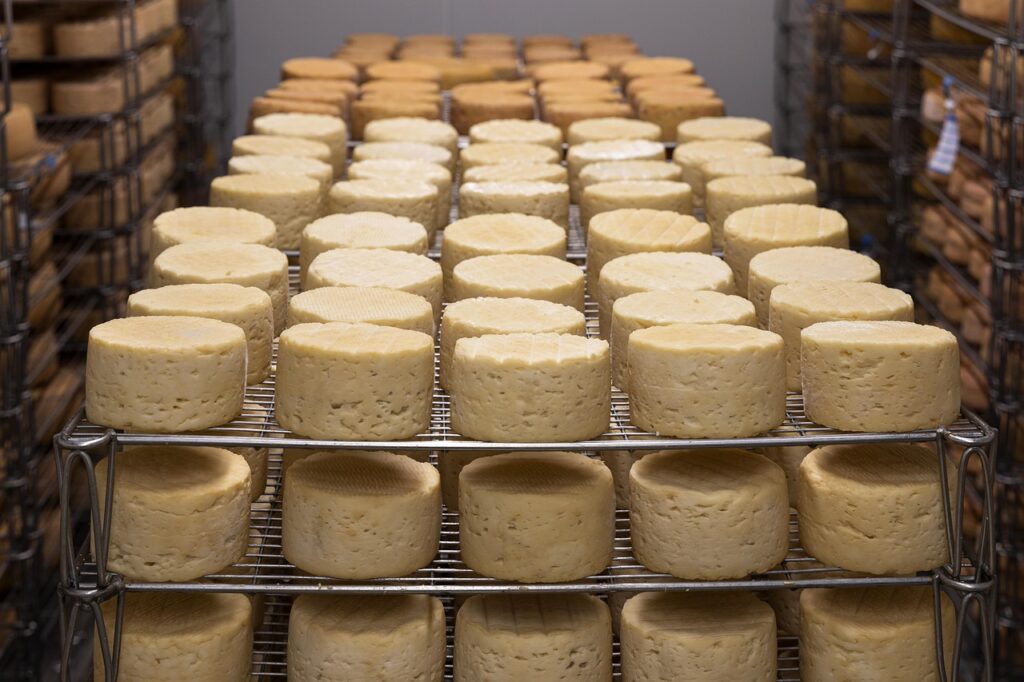
What’s called aging—stagionatura—is a series of precise gestures, often inherited within affineur families. The aging cellar is the lab where temperature (generally between 12°C and 18°C depending on the target age), humidity (75–85%), ventilation and salt interact to transform the wheel. Affineurs practice spugnatura (cleaning), sometimes lightly washing the rind with a saline solution to control fungal growth and encourage a healthy crust.
Turning the wheels is essential: every two to four weeks they are rotated to ensure even maturation. Affineurs perform salatura (salting) by immersing wheels in brine baths—the duration depends on diameter and weight but can range from 12 to 25 days. This salt contributes to flavor and also limits undesirable microbial growth.
A fascinating gesture is the percussione—the affineur lightly taps the wheel and listens to its resonance. A clear ring indicates a homogeneous paste; a dull or hollow sound can reveal defects like irregular fermentation. Wheels with micro-cracks can be repaired: the crack is cleaned, filled with cheese paste, the wheel is returned to the cellar and time does the rest. Modern techniques add digital traceability and lab checks (pH, humidity), but the final judgment often remains human.
There are stylistic differences between affineurs too: some favor slow maturation at lower temperatures to develop delicate aromatic profiles; others opt for drier, warmer aging to speed up flavor concentration and promote crystallization. If you visit multiple cellars, note how the aroma changes: richer, fruitier, more robust—that’s the sign of an affineur mastering timing.
Practical tips: during a visit, ask how the affineur manages seasonal variations (winter milk differs from summer milk). Also note the advertised aging period: many shops label cheeses monthly—e.g. “Parmigiano-Reggiano 30 mesi.” If you buy a gift, tell the affineur how it will be used (gratin, table, tasting)—they’ll recommend the right age and format.
4) Tasting and pairings: how to enjoy every slice and where to try the best matches in Modena
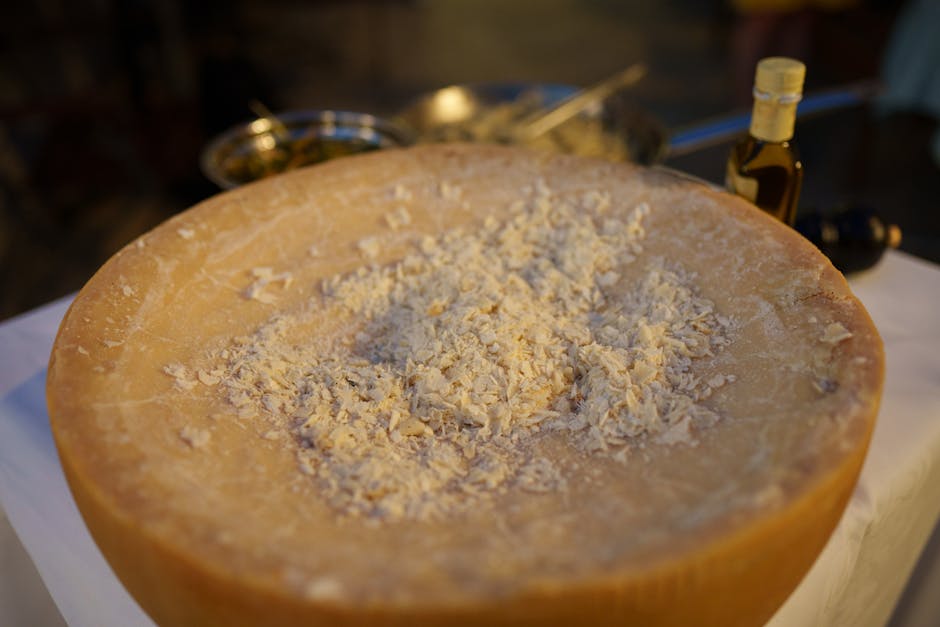
Tasting Parmigiano-Reggiano is a precise exercise. It’s a sensory practice: look, smell, touch, taste. Visually the paste should show a uniform ivory color; tiny tyrosine crystals appear as sparkling grains from around 24–30 months. On cutting, smell the paste: milky, hay-like and dried fruit aromas that evolve with age. On the palate, place small crumbs between tongue and palate to let saltiness and umami unfold.
Classic pairings in Modena: pair a 24-month Parmigiano-Reggiano with a frizzante Lambrusco (local sparkling red) for a lively match; a 36-month with a more structured wine or a passa-tutto (cooked wine) for richer notes. For fans of aged balsamic, a drizzle of tradizionale aceto balsamico di Modena (DOP) aged 12–25 years enhances sweet and tannic notes; you can arrange vertical tastings at traditional balsamic producers like Acetaia Malpighi or small family acetaie around Modena. In Modena, the combo of Parmigiano-Reggiano, balsamic vinegar and local crudo ham (Prosciutto di Modena) makes a perfect trio.
Recommended tasting venues:
- Osteria Francescana (Via Stella 22, 41121 Modena) — for a top-tier gastronomic experience (reservations required, prices vary widely). Even if the menu doesn’t focus solely on Parmigiano-Reggiano, local creativity makes it an inspiring spot. Hours: generally dinner Tuesday to Saturday; tasting menus €250–380 per person.
- Ristorante Da Danilo (Viale Fabrizio de Andrè 88, 41123 Modena MO) — more traditional service, offers local cheese platters. Open 12:00–14:30 and 19:00–22:30; dishes €12–30.
- Enoteca Regionale / wine and cheese shop in central Modena (Via Emilia Centro) — guided tastings €20–35 including Parmigiano-Reggiano and local wines.
Tasting tips: start with the youngest ages and progress to the oldest to avoid palate fatigue. Have neutral water to rinse between samples and avoid very salty breads that can skew perception. When buying, ask the seller for a tasting sample and compare two ages side by side—that’s the best sensory school.
5) Buying and bringing Parmigiano-Reggiano home: packaging, customs and storage
Bringing Parmigiano-Reggiano home is straightforward if you follow a few rules. Within Europe, personal food transport is generally allowed, but for travel outside the EU check your destination country’s customs regulations. Cheese is permitted in carry-on or checked baggage depending on airline policy; prefer vacuum packaging to avoid odors and drying out. Many Modena shops offer professional vacuum-packing services: expect €5–12 depending on size.
Practical travel-friendly formats: 200–500 g pieces (easy to eat and gift), 1–3 kg quarters (good value if you have luggage space), or a small 50–100 g sample to try before buying more. Indicative shop prices in Modena: 24 months €16–20/kg, 36 months €30–38/kg, 48 months €55–80/kg. Whole wheels (38 kg) can be cheaper per kilo if you negotiate at production level, but logistics are significant.
Storage: an opened piece keeps for a few days at room temperature; in the fridge, wrapped in cling film or vacuum-packed, it can last for months (when vacuum-packed). For optimal enjoyment, take it out 30–60 minutes before serving so flavors open up. Avoid the freezer (texture loss). If buying as a gift, ask the shop for a small certificate or card stating the age and the ripening cellar—detail appreciated by aficionados.
Local advice: favor purchases at small affineur shops rather than supermarkets; local expertise guarantees a fresh cut and travel-ready packaging. Negotiate if buying several kilos; sellers appreciate politeness and may throw in an extra sample for large purchases.
Conclusion — Traveling Modena through the eyes of the affineurs
Modena is more than a culinary stopover: it’s a place where Parmigiano-Reggiano comes to life. By following the affineurs, visiting markets, cellars and shops, you’ll grasp the patient energy that turns milk into a world-renowned product. In this guide I aimed to gather the essentials for a traveler: understand aging stages, find where artisans work, practice tasting and organize purchase and transport with peace of mind. Each address, visit time and listed price helps you plan your discovery according to your tastes and schedule.
The key to truly enjoying Parmigiano-Reggiano is curiosity: ask, taste, compare. Affineurs love sharing their knowledge; a sincere conversation can lead to a private tasting, an off-hours cellar visit and local tips rarely found in guidebooks. And don’t forget the pairings that enrich the experience: a chilled Lambrusco, a drizzle of tradizionale aceto balsamico di Modena, a slice of regional ham—all combinations that reveal different facets of the cheese.
Whether you’re a time-pressed visitor looking for a gastronomic souvenir or an enthusiast ready to devote a day to the cellars, Modena offers experiences to match. Take home not just a piece of cheese but the story of a place and the narrative of the men and women who age it. Those small, often quiet gestures are the true intangible heritage behind every slice of Parmigiano-Reggiano.