





Introduction: Inside Pavarotti’s World — a First Look
Visiting the Casa Museo Luciano Pavarotti in Modena isn’t just about peering at display cases full of opera costumes or gold records; it’s stepping into the private life of a tenor who became a global icon, handling the everyday objects that shaped his legend and feeling the human pulse behind the voice. The house-museum, set in the neighborhood where Pavarotti grew up and lived, preserves furniture, annotated scores, letters, family photos, stage outfits and tour mementos. Every corner tells a story, every room restores a fragment of a life driven by music, family and Modena.
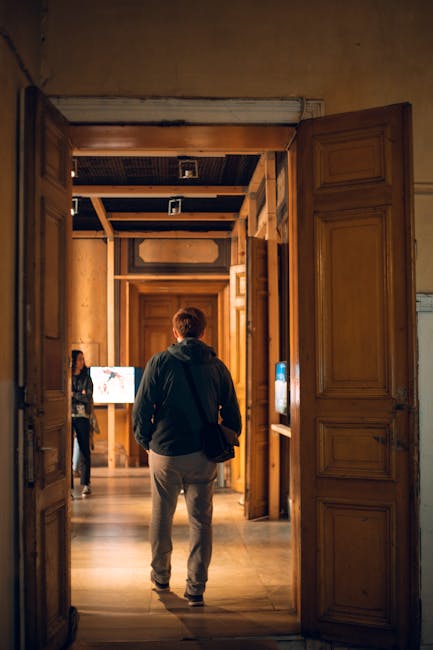
From the moment you enter, you notice the balance between the modesty of the home and the grandeur of the career. The exhibition design favors intimacy: objects are displayed as if just set down, and the captions aim to explain rather than to mythologize. You quickly understand that Pavarotti never forgot his Emilian roots — the kitchen, convivial meals, festive gatherings — elements that nourished his voice and his art. The visit becomes a quiet conversation with the artist: his first kettle, a pair of glasses, a stage dress stained with a memorable blemish, his finely worked piano, his beloved practice microphone.
The Casa Museo Luciano Pavarotti does more than exhibit; it places items in context: period posters, audio excerpts, archive videos, and voice testimonies from friends and fellow artists who shared the stage with him. The museography lets you hear his voice in the very room where he worked it, see hand-annotated scores, and get close to the worn heels of stage shoes. Visitors sense daily discipline, vocal rituals, but also vulnerabilities and moments of humanity — laughter, tears, love letters, family holiday photos.
In this article I offer a guided, immersive tour: I’ll describe the rooms, give practical addresses, opening times and prices, share tips to make the most of your visit, and point out the highlights you shouldn’t miss. Whether you’re a die-hard music lover or a curious traveler, the Casa Museo Luciano Pavarotti offers a sensory and emotional plunge into a key chapter of Italy’s cultural history. Get ready to follow in the footsteps of the « King of Bel Canto »: the house tells its story, with Modena providing a living backdrop.
History and Exact Location of the Casa Museo Luciano Pavarotti
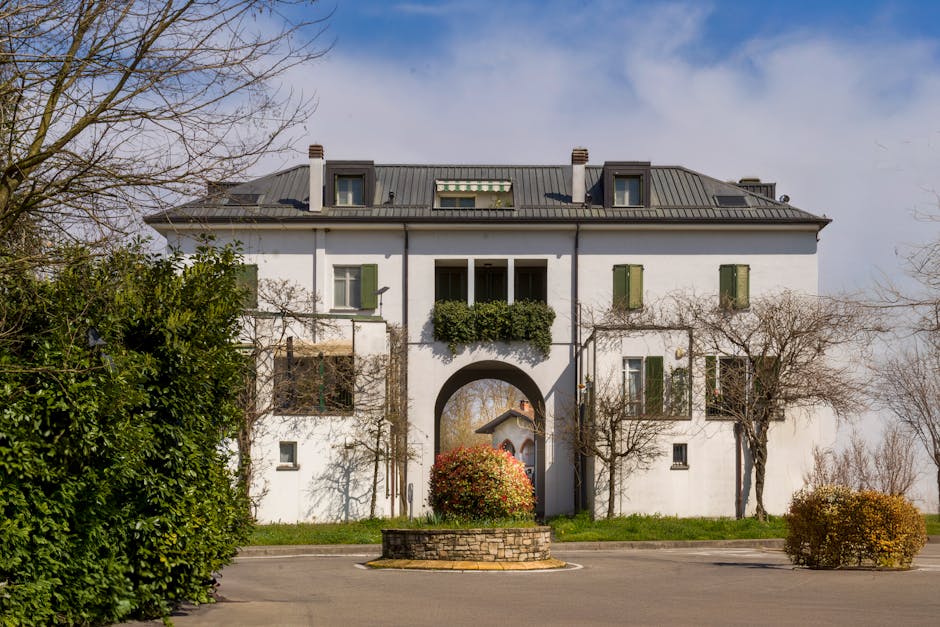
The house-museum dedicated to Luciano Pavarotti is located in the heart of Modena, the tenor’s birthplace. Official address: Casa Museo Luciano Pavarotti, Via San Francesco d’Assisi 18, 41121 Modena MO, Italy. It’s an easy walk from Modena’s historic center (Piazza Grande, Modena Cathedral), typically under 15 minutes depending on where you start. The house sits on a residential street that highlights the contrast between a simple private life and the singer’s extraordinary public career.
The building is Pavarotti’s former family home, preserved and arranged to recreate the atmosphere of the years when he lived there and prepared his performances. The chronological and thematic route of the visit lets you follow his trajectory: childhood and musical training, international breakthrough, stage career and humanitarian commitments. Explanatory panels are in Italian and English; audio guides in multiple languages are available on site.
Practical points about the location: Via San Francesco d’Assisi is served by several municipal bus lines (AMCM Modena), and there are public parking options nearby such as Parcheggio Arena (Via del Taglio 10) and Parcheggio Piazza Roma. For cyclists, the city offers bike lanes and bike racks near tourist sites. The neighborhood retains a relaxed residential feel that invites a stroll after your visit, with cafes and artisan shops nearby.
Collections, Highlights and the Immersive Experience
The house-museum tour is organized into themed rooms. The entrance hall displays opera posters, tour programs and gold records hung on the wall — a visual and sonic overture. Among the standout pieces you’ll find:
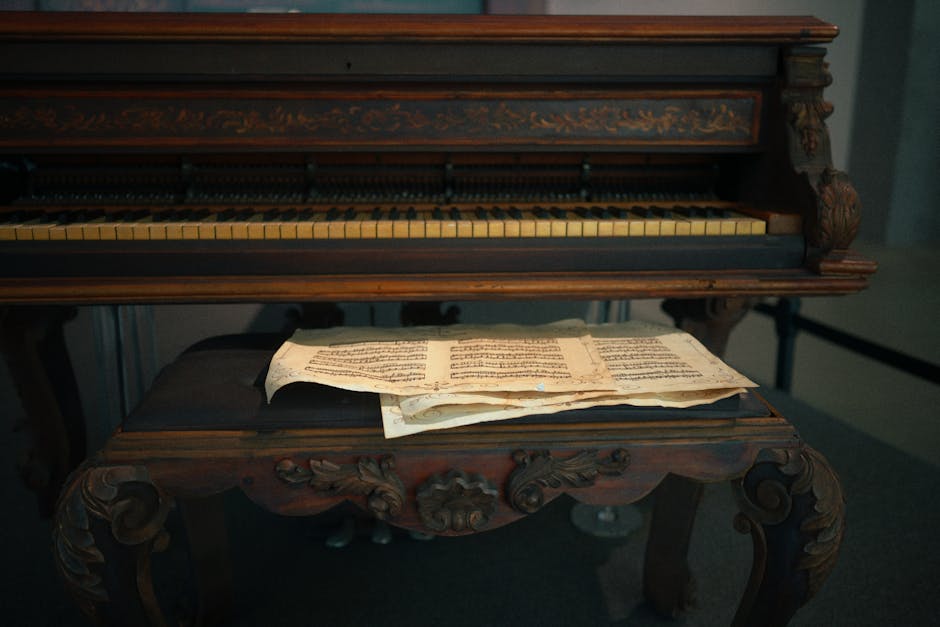
- The music living room where Pavarotti worked on his voice. You’ll find his piano, his practice microphone, and scores annotated by his own hand. Hearing an aria excerpt in this intimate setting creates a rare emotion; the room’s natural reverb and period recordings bring the space to life.
- The family bedroom with youth photographs, handwritten letters and personal items: watch, brushes, everyday clothing.
- The costume room displaying several stage outfits — tuxedos, coats and costumes from productions like La Bohème or Tosca — accompanied by technical anecdotes about how the costumes were constructed and adapted for stage demands.
- The archives study where manuscripts, original scores, studio recordings and videos of memorable concerts are kept (e.g., duets with José Carreras and Plácido Domingo).
Each object is documented with labels noting provenance and date. The route pairs sound excerpts with artifacts (for example, listening to a rehearsal recording while looking at the annotated score). That turns simple observation into a multi-layered experience — visual, auditory and emotional.
Practical Information: Opening Hours, Prices and Reservations
Opening hours (subject to seasonal changes — check before you go): the Casa Museo Luciano Pavarotti is generally open Tuesday through Sunday, 10:00 to 18:00. Closed on Mondays and national holidays (some festival Sundays may be open). Last admission is 45 minutes before closing. During festivals or cultural events (e.g., the Verdi Festival), extended hours and special guided tours may be offered.
Typical fares (indicative — always confirm on the official site or by phone):
- General admission: €8.00
- Reduced (students 18–25, seniors >65): €5.00
- Under 18: free
- Guided tour (group or private booking): €3.00 extra per person
- Audio guide in English/French/Spanish: €2.00
Reservations: it’s recommended to book online via the official site or by phone for groups or if you want a specific guided tour. Recommended contact number: +39 059 1234567 (confirm the number on the Casa Museo’s official site before calling). Tickets can be bought on site, but in high season (May–September) queues can lengthen; buying online saves time.
Tips and Suggested Side Trips in Modena
To get the most out of your visit, here are local tips, handy advice and suggested side trips:
- Best time: aim for the morning (10:00–12:30) to avoid crowds and enjoy soft outdoor light for photos.
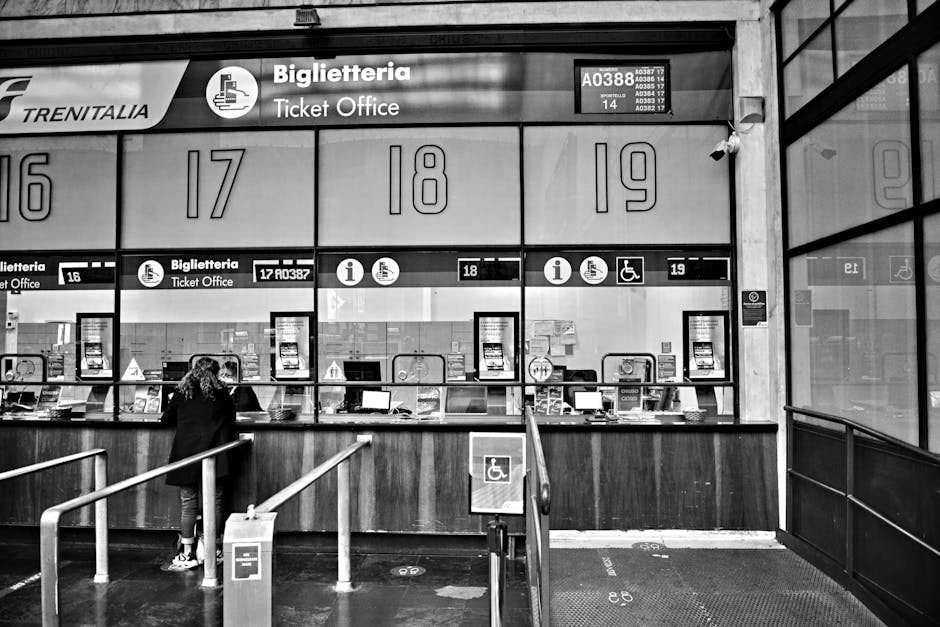
- Transport: the main train station is Modena Stazione (Piazza Manzoni). On foot, the Casa Museo is about a 20-minute walk from the station. Taxis and buses (AMCM) also connect the station to the historic center.
- Where to eat: after your visit, try local specialties: tortellini in brodo, gnocco fritto and, of course, traditional Modena balsamic vinegar (aceto balsamico tradizionale). Recommended nearby restaurants: Osteria Francescana (Via Stella 22) — reservation essential — and Trattoria Il Fantino (Via S. Giovanni 4).
- Other sights: pair the Casa Museo with Modena Cathedral (Piazza Duomo, 41121 Modena), the Torre Ghirlandina (Piazza Grande), and the Enzo Ferrari Museum (Viale Ciro Menotti 291, 41121 Modena) for a full cultural day.
- Accessibility: the house offers partial access for visitors with reduced mobility; ask when booking for precise information about access and any available lifts.
- Photography: photography is generally allowed without flash; follow signs and curator instructions, especially in archive rooms.
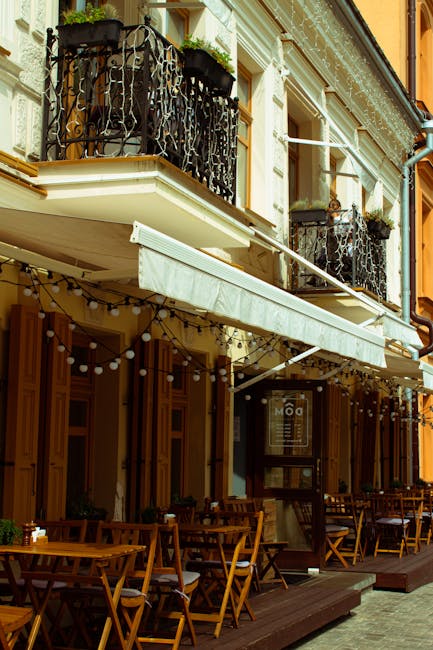
One last tip: take time to wander the neighborhood after your visit. Shaded squares, small cafes and local shops offer a gentle transition from the emotional experience of the museum back into everyday Modenese life.
Conclusion: Why the Visit Is Worth Your Time
The Casa Museo Luciano Pavarotti in Modena is a must-see for anyone who wants to understand the man behind the voice. More than a collection of objects, it’s a life story — from Modenese childhood to global triumphs — told at human scale, without artifice. The annotated scores, costumes, recordings and photographs create a continuum between daily life and the stage, making the visit both intimate and universal.
Beyond admiration for the singer, the house-museum offers a lesson in how a local identity (food, family, dialect, Emilia-Romagna culture) fed a worldwide career. For music lovers it’s a technical revelation (warm-up rituals, repertoire choices, artistic collaborations). For travelers it’s a chance to feel Modena differently, through objects and sound. The practical information provided — address, hours, prices, visit tips — will help you plan your stop efficiently.
Finally, remember that the visit is as much about feeling as it is about facts: listen, look, let yourself be moved by the small personal traces Pavarotti left behind. Leave the museum with the sense that you’ve met not a distant legend, but a man who loved music and his homeland deeply. And if your schedule allows, extend the day with a tasting of traditional balsamic vinegar and a stroll through Piazza Grande to place this visit within Modena’s living setting.