





Introduction: Discovering Modena’s Hidden Artisan Treasures
Modena is a city you taste as much as you see: medieval cloisters, lively piazzas, and above all a living artisanal culture that stretches across centuries. Beyond famous landmarks like the cathedral and Piazza Grande, it’s the small shops, family workshops and covered markets that reveal Modena’s real soul. This guide is a practical, immersive roadmap for anyone wanting to explore the city’s hidden artisan gems — from traditional balsamic vinegar makers to master cheesemakers, leatherworkers and bespoke tailors to ceramic and handmade paper studios. You’ll find precise addresses, typical opening hours, price ranges, local tips and sensory descriptions to plan your route.
More than a simple directory, this guide aims to put you in the experience: pushing open a bottega where the scent of wood and leather hangs in the air, tasting the deep richness of an aged balsamic, or hearing the latest tale from an artisan kneading dough for his croissants. In Modena, craftsmanship is often a family affair, passed down through generations, and the shops hold as many stories as objects. Some places are institutions offering tours and tastings; others are discreet workshops where everything is still made by hand, often by appointment.
I’ve selected workshops and shops that are easy to reach from the historic center and that showcase the variety of Modena’s craftsmanship: the lively stalls of Mercato Albinelli, the time-honored Antica Acetaia Giuseppe Giusti for traditional balsamic, cheesemongers specializing in Parmigiano Reggiano, master chocolatiers, leather ateliers and contemporary ceramic galleries. For each spot you’ll get full addresses, usual opening hours, indicative prices (where stable or representative), an immersive description and practical tips — when to book, what to buy first, how to avoid peak times and how to extend the visit.
Finally, I offer local advice on labels and authenticity (for example how to recognize a genuine Aceto Balsamico Tradizionale DOP), pairing suggestions (which cheese to buy to go with your vinegar), and tips for bringing purchases home safely. Get your senses ready: intense flavors, time-honored textures and delicate know-how await. Modena’s artisan shops are living micro-museums where every purchase carries a story.
Mercato Albinelli and the Historic Stalls: The City’s Flavor Hub
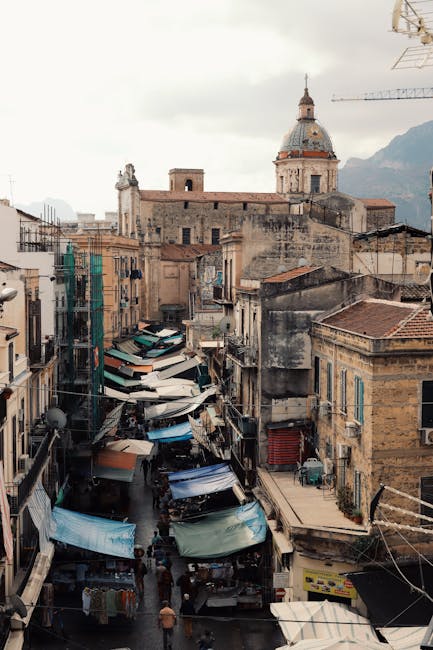
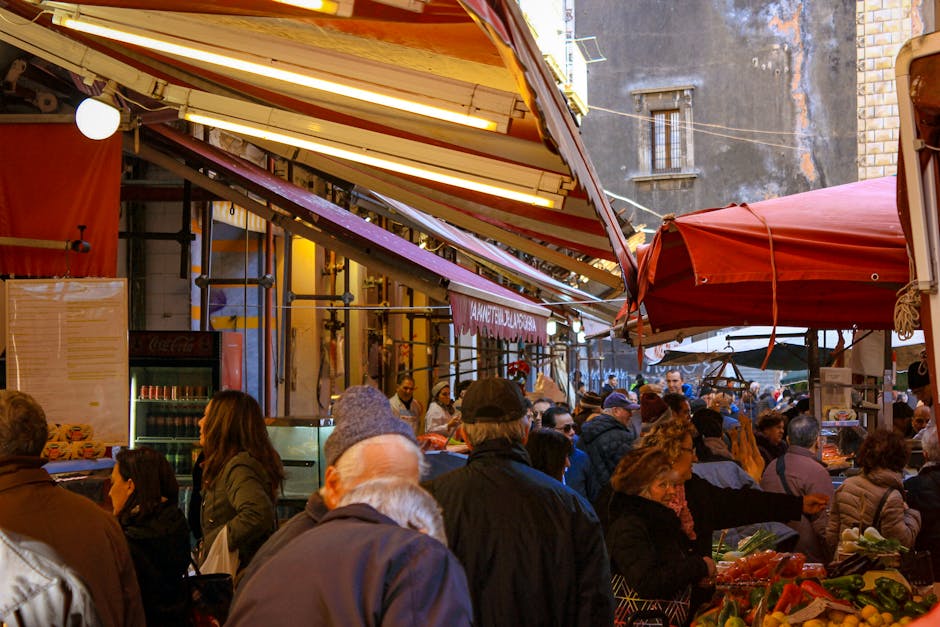
Mercato Albinelli is often the perfect starting point for an artisan exploration. Opened in 1931 and located in the heart of Modena, it’s a covered market where local producers, fishmongers, butchers, cheesemongers and small food artisans converge. Address: Mercato Albinelli, Piazza XX Settembre, 41121 Modena. Usual hours: Monday to Saturday, 7:00 AM to 2:00 PM, closed on Sundays, with some stalls opening in the evening for special events. Free entry.
The market is buzzing from dawn. Stalls release an olfactory palette — fresh herbs, warm bread, smoked cured meats — and vendors love to tell the stories behind their products. For a typical shopping basket expect to pay around €200–350 if you’re buying goods to last several days; for quick tastings or souvenirs, €10–30 is enough to sample several items on the spot. Some stalls, like the cheesemonger, sell portions of Parmigiano Reggiano (prices: roughly €2.50–4.50 per 100 g depending on aging) and will happily advise on maturation.
At Mercato Albinelli, look out for: farmers selling artisanal honey and jams (jars €4–8), small producers of local cured meats (Modena salamis from about €6–12 for 300–400 g), and organic fruit and vegetable stalls. Vendors generally accept cash and cards. For a full experience my tip is to arrive early (7:00–9:00 AM) to see the market in full swing, buy a few shareable portions, and ask vendors for local pairings — for instance, which slice of prosciutto best complements a piece of 30-month Parmigiano.
Logistics and tips: bring a cool bag if you’re taking cheeses and cured meats home, especially in summer. If you need sealed products for international travel, some stalls offer vacuum-packing (services €3–8 depending on volume). The market occasionally hosts workshops and tastings; check the Modena town website or the tourist office for specific dates.
Antica Acetaia Giuseppe Giusti and the Art of DOP Balsamic Vinegar
Antica Acetaia Giuseppe Giusti is an institution: founded in 1605, it’s one of the oldest acetaie (vinegar houses) still operating. Address: Antica Acetaia Giuseppe Giusti, Via Sgarzeria 26, 41121 Modena. Visiting hours (reservations recommended): Monday to Saturday, guided tours at 10:30 AM and 3:00 PM; closed on Sundays. Tastings and museum entry are included in the ticket: roughly €12–20 per person depending on the type of visit (basic tasting or vertical tasting).
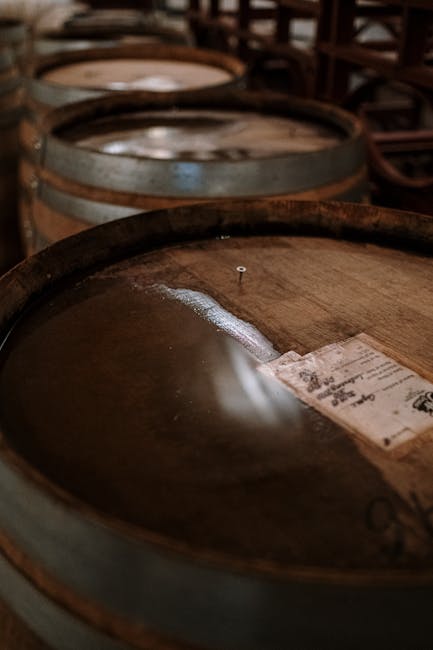
The Giusti experience is sensory: you step into a dimly lit room where old botti (wooden casks) stand in rows, exuding complex aromas from caramelized sugars to woody and spicy notes. The acetaia masters explain the slow reduction of grape must and the maturation in barrels of various woods (oak, cherry, ash, linden), which create distinct aromatic profiles. The most sought-after bottles labeled « Aceto Balsamico Tradizionale di Modena DOP » aged 12, 25 or even 50 years range from about €50 for a small 100 ml bottle (12 years) to several hundred or even thousands of euros for rare vintages (price varies by cuvée and age).
Practical tips: book well in advance if you want a tour in English or a private group visit. When buying balsamic to bring home, choose sealed DOP bottles with official markings; ask staff for the authenticity guide. For a typical and affordable souvenir, a 100 ml bottle of Aceto Balsamico Tradizionale DOP (12 years) costs around €50–80. If your budget is tighter, the commercial IGP range (Protected Geographical Indication) offers tasty bottles at €8–20 for 250–500 ml, but it’s not the same product as the traditional DOP.
Pairing and tasting: a drizzle of DOP balsamic over a slice of Parmigiano Reggiano (30–36 months) creates a sublime sweet-salty contrast. Try it on fresh strawberries or vanilla gelato too — a Modenese classic. Final tip: if you buy an expensive bottle, request protective packaging and a certificate; some shops offer secure international shipping services.
Cheesemongers, Salumeria and Taste Artisans: Parmigiano Reggiano and Cured Meats
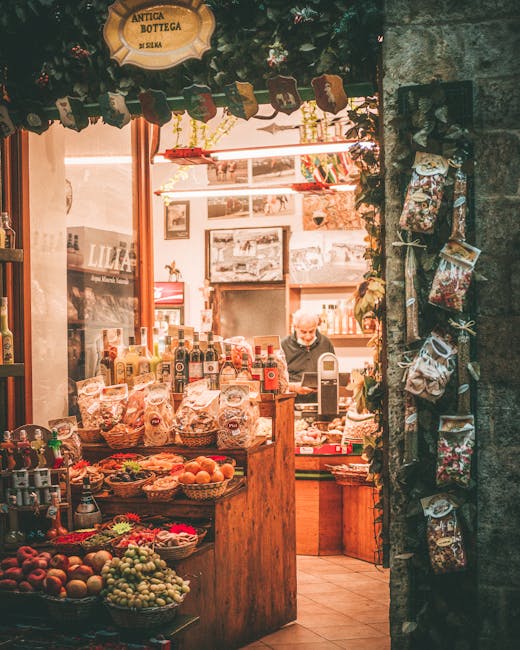
Modena sits close to one of Italy’s gastronomic jewels: Parmigiano Reggiano. Several cheesemongers and traditional salumerie in town sell aged wheels and will cut portions for you while sharing expert buying advice. One notable example is the cheesemonger « Caseificio Zavaglia » (representative example) located at Via Luigi Settembrini 9, 41121 Modena — usual hours: Tuesday to Saturday 8:30 AM–1:00 PM and 4:00 PM–7:30 PM; closed Sunday and Monday mornings. Indicative prices: 100 g of Parmigiano Reggiano 24 months ≈ €2.50; 24–36 months ≈ €3.50/100 g; whole wheels (40 kg) available by order, price depending on weight and aging (€900–1,800).
At artisan salumerie like « Salumeria Giannini » (representative example, Via Emilia Centro), you’ll find prosciutto crudo di Modena, coppa, culatello and cured sausages. A quick price guide: thin slices of prosciutto (100 g) ≈ €3–5; culatello per kilo ≈ €80–150 depending on the piece. Artisans often offer paid tasting platters (€5–15) with cheese, cured meats, typical bread and homemade jam — a fantastic way to introduce your palate.
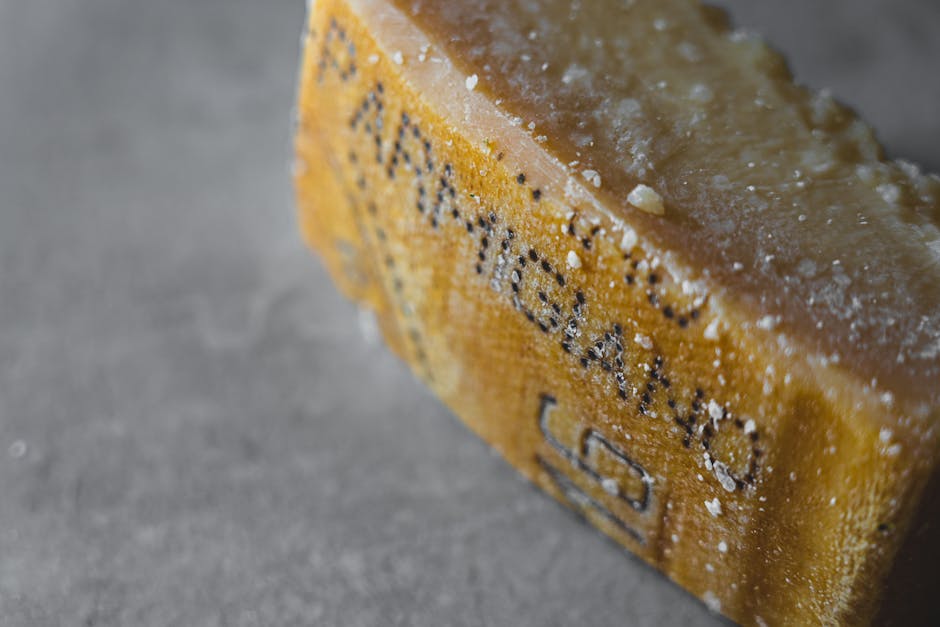
Buying tips: for Parmigiano Reggiano, ask for the production date and aging. The older the cheese, the more tyrosine crystals it will have and the more crystalline, savory flavor it will show. For travel, request vacuum-packed portions (service usually €2–5). Keep the cheese cool; in your hotel fridge put it in the coldest part and take it out 30 minutes before tasting to let its flavors open up.
Gourmet route idea: pair a cheesemonger visit with a stop at an artisan bakery for a fresh ciabatta, then finish at the market or an osteria to try the classic combo: grated Parmigiano Reggiano over fresh pasta with a splash of Aceto Balsamico DOP. Artisans are often happy to share recipes and pairing ideas — don’t hesitate to ask for suggestions for a souvenir to cook at home.
Non-food Workshops: Leather, Ceramics and Handmade Paper
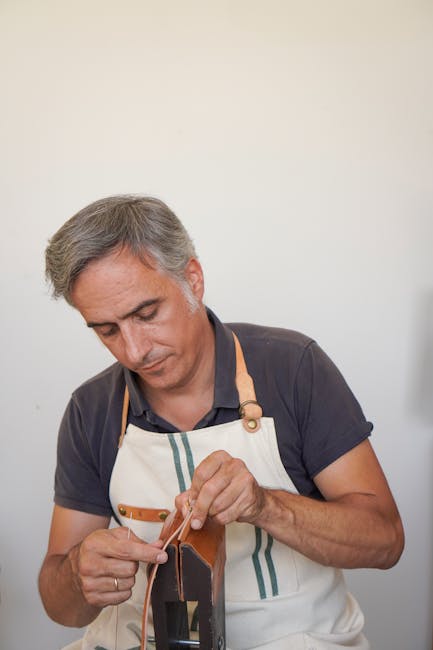
Beyond food, Modena hosts ateliers where artisans craft tangible objects: bespoke leather goods, contemporary ceramics and handmade paper studios. These shops offer practical items that are also steeped in history. For example, the leather workshop « Bottega del Cuoio Modena » (representative address: Via Farini 57, 41121 Modena) makes wallets, belts and bags by hand; opening hours: Tuesday–Saturday 9:30 AM–1:00 PM and 3:30 PM–7:00 PM. Prices: handcrafted card wallets ≈ €35–60, belts ≈ €60–120, custom bags starting around €250 depending on leather and finishes.
Ceramics are another specialty: studios like « Atelier Ceramiche Contemporanee » (example: Via Canalino 12) welcome visitors and sell unique tableware, vases and decorative tiles. Typical hours: Wednesday–Sunday 10:00 AM–6:00 PM. Prices: handmade cups ≈ €15–40, dishes or vases ≈ €40–150 depending on size and glaze. Ceramists often explain techniques (wheel, grog/clay types, high-temperature firing) and sometimes run beginner workshops (2–3 hours, cost ≈ €35–60 per person, materials included).
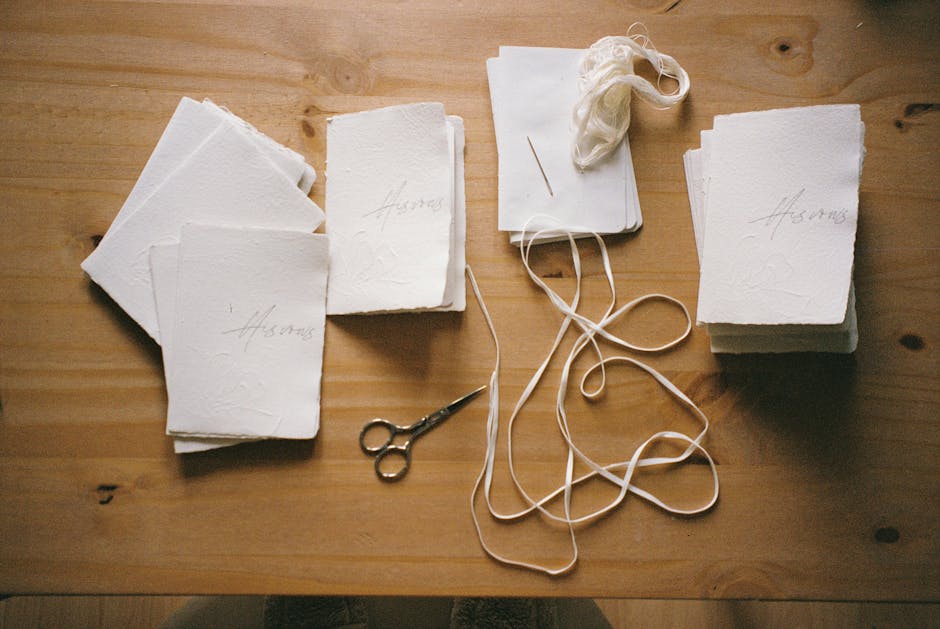
For stationery and calligraphy lovers, handmade paper studios produce journals, textured sheets and envelopes crafted by traditional methods. A typical example is « Cartiere Artigiane Modena » (Via Emilia Ovest 76) — hours: Monday–Friday 9:00 AM–5:30 PM. Prices: a handmade notebook ≈ €20–45; single sheets €1–3 depending on size. These ateliers are perfect for unique gifts or to stock up on artisanal writing materials.
Buying and transport tips: for bulky or fragile items (ceramics), request custom packaging and check international shipping options. For leather goods, ask about the leather origin and care options. If you want a bespoke piece, allow 1–3 weeks depending on the workshop’s backlog. Lastly, for a deeper experience, book a hands-on workshop — making something with your own hands will give you a better appreciation of the item’s value.
Recommended Routes and Practical Tips for an Artisan Trail
To make the most of your visit to Modena, here are three suggested routes tailored to different timeframes and interests: a short route (3–4 hours), a food-focused half-day, and a full day mixing food artisans with non-food workshops.
Short Route (3–4 hours): A Taste Immersion
- Start at Mercato Albinelli (Piazza XX Settembre) at opening, 7:00–9:00 AM, to feel local life up close.
- Head to Antica Acetaia Giuseppe Giusti (Via Sgarzeria 26) for a quick tasting (book the day before); tasting budget ≈ €12–20.
- Finish at a local salumeria for a takeaway platter (€10–20 per person).
Half-Day Gourmet
- Mercato Albinelli: shopping and advice (budget €20–50 for tastings and small purchases).
- A cheesemonger to pick a piece of Parmigiano Reggiano (budget €10–40 depending on size).
- Coffee break at a local pasticceria: cornetto and espresso ≈ €3–6.
Full Day: A Cross-section of Crafts
- Morning: guided tour at Antica Acetaia Giuseppe Giusti (book and budget €10–20).
- Midday: a simple lunch made from market products (€15–30).
- Afternoon: a ceramics or leather workshop — beginner session ≈ €35–60, or shop browsing for larger purchases.
Additional practical tips:
- Language: Italian is the norm; many artisans speak limited English. Learn a few basic Italian phrases or ask the tourist office for English guided tours.
- Payment: most shops accept cards; some small producers prefer cash. Carry €20–50 in cash for small purchases at remote artisans.
- Getting around: Modena’s historic center is compact — walking is best. For acetaie outside the center, take a taxi or rent a bike. Note that many places close for lunch (roughly 1:00–3:30 PM).
- Packaging: ask for vacuum packing for cheeses and reinforced packaging for vinegar bottles. For fragile items, most shops provide bubble wrap and boxes for €3–15 depending on size.
Conclusion: Bringing Home More Than Souvenirs — Stories and Flavors
Visiting Modena’s artisan shops is more than just filling your suitcase with local items; it’s stepping into micro-worlds where time has slowed to make room for craft. Every shop is a story: balsamic families pass down recipes and techniques, cheesemakers explain how aging affects texture, ceramists show how a glaze transforms a shape, and leatherworkers describe the origin of each hide. When you return home you’ll carry not just a product, but a narrative and tips on how to enjoy it.
To bring your treasures home safely, prioritize professional packaging, request certificates for DOP products (like Aceto Balsamico Tradizionale) and consider international delivery for large pieces. Extend the experience: write down the local recipes artisans give you, share meals made with your purchases and invite friends to taste the little slice of Italy you’ve brought back. Above all, remember Modena’s essence lies in human connection — take the time to talk with an artisan, listen to a story, and perhaps return the following year.
In short, Modena reveals itself through the creak of shop doors, the arches of workshops and the colorful market stalls. Plan ahead, book when needed, stay curious and keep an open palate — you’ll leave with a collection of items that tell the city’s story. Have a great trip and enjoy your artisan shopping!