





Introduction — Foodies in Modena: getting into the heart of local produce
Modena is an Italian city whose culinary reputation reaches far beyond the region: it’s the birthplace of aceto balsamico tradizionale, a land of prosciutto and aged cheeses, and the inspiration for chefs like Massimo Bottura. For the hungry traveler, Modena delivers a sensory route where every alley can lead to a tasty discovery — from a bustling market stall to a small family shop selling the same signature product for generations. This guide is aimed at curious foodies who want not only the must-visit spots but also the lesser-known local gems, with practical details (addresses, opening hours, price ranges) and tips to make the most of Modena’s terroir.
The aim here is to build a realistic, full itinerary: combine markets, specialty shops, an acetaia and restaurants where the product takes center stage. You’ll find explanations of signature products — aceto balsamico tradizionale, Parmigiano Reggiano, culatello and other local charcuterie — and recommendations on how to taste them properly. Modena is best explored with your senses: touching the rind of a well-aged cheese, smelling a vinegar so concentrated a single drop transforms a dish, or watching a master butcher carve a cured ham with gestures passed down for decades.
This guide focuses on hands-on experiences: where to buy, what prices to expect, the best hours to avoid crowds, and how to talk with artisans to learn a few age-old tricks. I mention central places and a few short excursions outside the city — some acetaie and producers are a short drive or taxi ride away and are worth it. Prices are given in euros and reflect typical ranges (from a takeaway tasting to a full restaurant meal). To make the visit more visual and inspiring, I’ve placed image cues at the most photogenic spots: colorful markets, cheese counters, aging cellars and glasses of balsamic vinegar against a medieval alleyway backdrop.
Before diving into specific addresses, note two practical rules: 1) most artisanal shops close in the afternoon (usually between 13:00 and 16:00) and may be shut on Sunday mornings or all day Sunday — plan accordingly; 2) if you visit a traditional acetaia to sample aceto balsamico tradizionale, booking is often required and tours may be offered in Italian and English. With that in mind, let’s explore Modena’s essential spots for lovers of local products.
Mercato Albinelli — the pulsating heart of fresh produce (covered market)
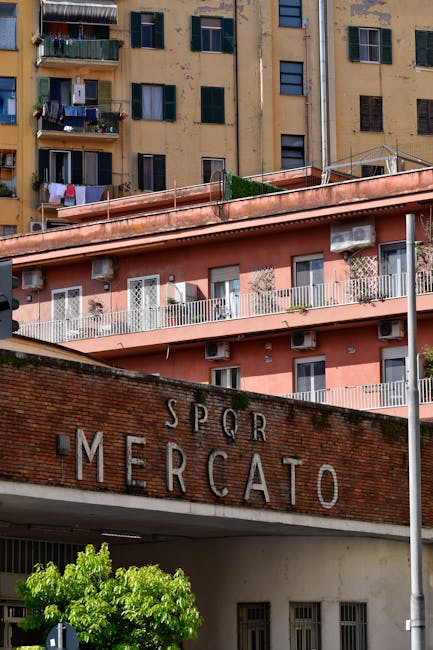
Mercato Albinelli is the natural starting point for any foodie in Modena. This covered market, opened in 1931 and recently restored, brings together stalls of greengrocers, fishmongers, butchers, cheesemongers and small local producers. The vibe is warm: bunches of aromatic herbs, baskets of heirloom tomatoes, charcuterie platters and walls of cheese under a historic glass roof. It’s the perfect place to sample seasonal products and talk directly with producers.
Address: Mercato Albinelli, Piazza della Pomposa, 41121 Modena MO, Italy.
Opening hours: Tuesday to Saturday 7:30–13:30; some stalls open until 18:00; closed on Monday. The market tends to be quieter on Wednesday and Friday mornings.
Indicative prices: sandwiches and street food €5–10; portions of cheese €6–15 depending on age; charcuterie plates €8–20. Prices vary with quality and rarity (long-aged cheese or organic products).
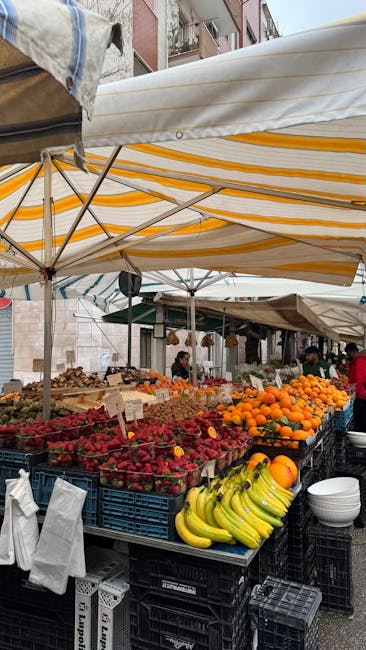
What to look for: the stall with heirloom vegetables (Cuore di Bue tomatoes, radicchio), the cheesemonger offering cuts of Parmigiano Reggiano aged 24–36 months or more, and the charcuterie corner to sample local specialties. Vendors are often happy to give a small taste if you ask politely — try saying your interest in Italian like this: « Posso assaggiare, per favore? ».
Local tips: come early (8:00–10:00) for the best selection and the liveliest atmosphere; bring cash and a small insulated bag if you buy cheese or charcuterie; if you plan a picnic, buy local bread and ask the cheesemonger to slice a portion for you. Finally, don’t miss picking up small bottles of aceto balsamico at specialist stalls or getting contact details for an acetaia visit.
Osteria Francescana & Franceschetta58 — contemporary takes on local produce
Modena is inseparable from the name Massimo Bottura. His flagship, Osteria Francescana, has been a global gastronomic hub. Nearby, Franceschetta58 offers a more relaxed, accessible spin on the same culinary universe. Both places showcase how Modena’s terroir can be reinterpreted with creativity without losing its roots.
Osteria Francescana — Address: Via Stella, 22, 41121 Modena MO, Italy.
Hours: open for dinner on Tuesdays and Wednesdays, and on Fridays and Saturdays; usually two dinner services — exact times vary by season. Reservation essential, sometimes months in advance.
Indicative prices: tasting menus starting roughly €290–350 per person (season and menu dependent), drinks extra. The experience is haute cuisine and punctuality for reservations is required.
Franceschetta58 — Address: Via Stella, 58, 41121 Modena MO, Italy.
Hours: open for lunch and dinner; typically 12:30–14:30 and 19:30–22:30 (check seasonally).
Indicative prices: à la carte dishes €12–45; tasting menus around €65–120 depending on number of courses.
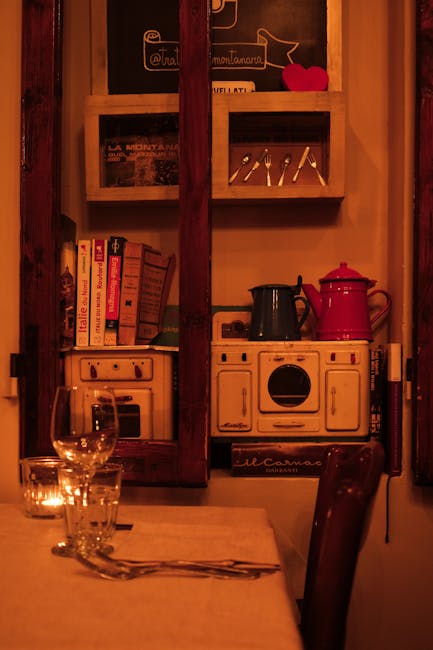
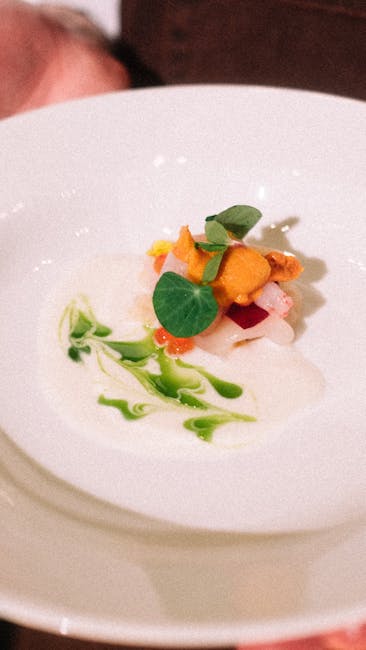
Immersive description: at Osteria Francescana, every dish is a meditation on an ingredient — for example, a deconstruction of Parmigiano Reggiano or of simple bread and local oil that becomes performance. Textures and aromas are crafted to reveal the essence of Modena’s terroir. At Franceschetta58 the vibe is more informal — picture a canteen-style sandwich transformed into fine dining, or a savory tart that highlights a local ingredient. Both venues are laboratories where tradition and experimentation coexist.
Local advice: if you’re aiming for Osteria Francescana, book months ahead and clearly state any dietary restrictions. At Franceschetta58 you might get lucky at the counter without a reservation; lunchtime is usually easier. Bring a short list of Modena products you want to taste (aceto balsamico tradizionale, Parmigiano Reggiano 36 mesi, local salumi) and ask the sommelier for local pairings — they love suggesting wines from Emilia or local sparkling options.
Visiting an acetaia — learning about aceto balsamico tradizionale
Aceto balsamico tradizionale di Modena is one of the most precious symbols of the local terroir. Unlike mass-produced balsamic vinegar, the « tradizionale » version is made using ancestral methods, aged in small sets of barrels, and strictly controlled by consortia. A visit to an acetaia (vinegar house) is a sensory experience: the scent of old wood, rows of stacked barrel sets, and the chance to taste a dense, almost syrupy vinegar whose single drop can transform a dish.
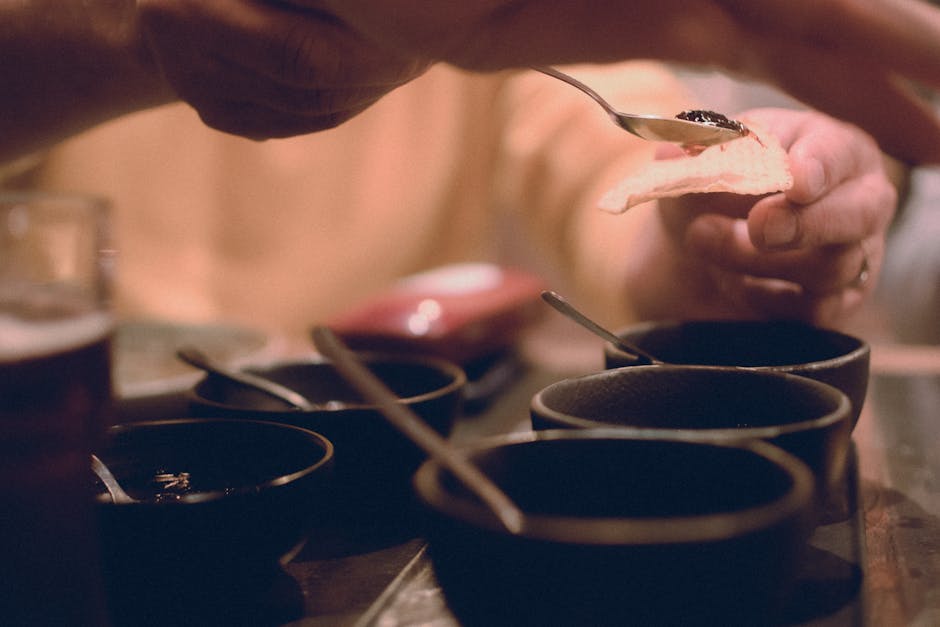
Example visit (practical recommendation): look for an acetaia offering a guided tour and tasting. Typical tours include a cellar visit, an explanation of the process (must reduction, fermentation and aging), and several tastings — often served on bread or on a small white spoon to better appreciate the aromas. Tour prices usually range from €10 to €40 per person depending on duration and number of products tasted.
Suggested locations: many acetaie are located in towns around Modena (Spilamberto, Castelvetro, etc.). Plan transport (taxi or rental car): most require advance booking. If you plan to buy a bottle of aceto balsamico tradizionale, expect high prices: small 100 ml bottles can cost €50 to several hundred euros depending on age (12, 18, 25 years or more).
Local tips:
– Ask to see the label and the « Aceto Balsamico Tradizionale di Modena DOP » certification; that’s the sign of authenticity.
– A little goes a long way: for a beef carpaccio, 2–3 drops may be enough; for vanilla ice cream, a single drop on top makes a surprising contrast.
– Don’t buy supposedly « old » balsamic at a market without certification: that syrupy look can be replicated industrially.
Must-visit cheesemongers and charcuterie — Parmigiano, culatello and more
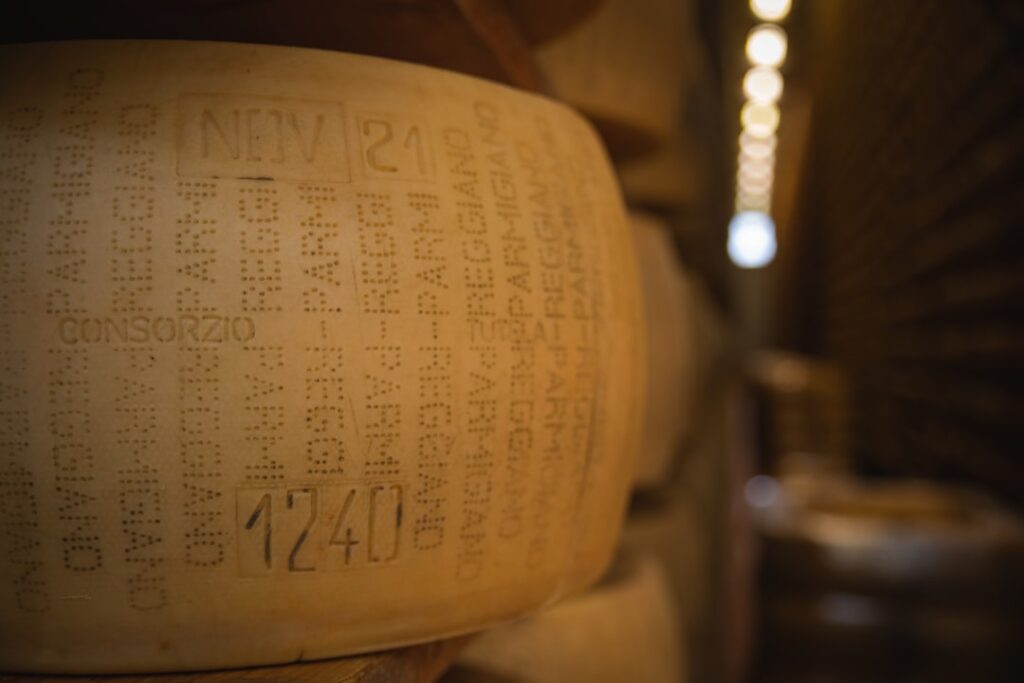
The area around Modena is synonymous with Parmigiano Reggiano: the appellation covers several provinces and aging facilities offer impressive variety. In town, several cheesemongers and specialty shops offer demonstrations of aging and portions for sale. Look for wheels stamped with the Consorzio del Parmigiano Reggiano mark and ask for cuts of different ages (24, 30, 36 months or more) to compare texture and flavor.
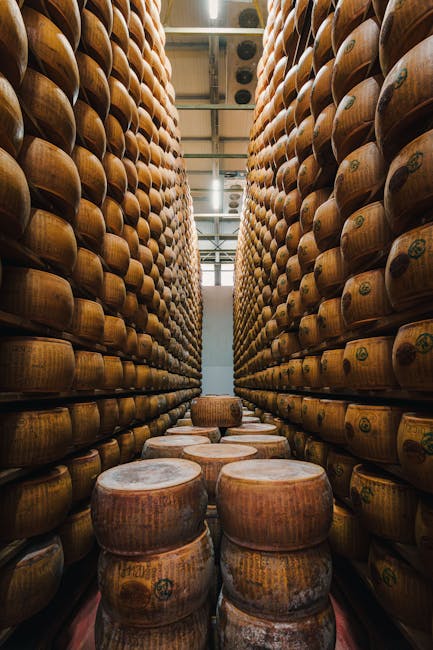
Prices: a takeaway portion from a cheesemonger can cost €6–25 depending on age and size. A whole wheel of Parmigiano Reggiano can cost several thousand euros (rarely bought whole by individuals), but per-kilo prices for 24–36 month-aged pieces typically range €15–30/kg for common products, higher for very long aging or organic varieties.
Charcuterie: the region produces a wide array of salumi — coppa, pancetta, culatello (the nearby Langhirano area is famous for it), rustic salami. Specialty shops and salumerie often sell ready-to-eat platters (antipasti). Indicative prices: takeaway salumi plates €8–20; culatello by the kilo at a specialty counter €30–60/kg depending on rarity.
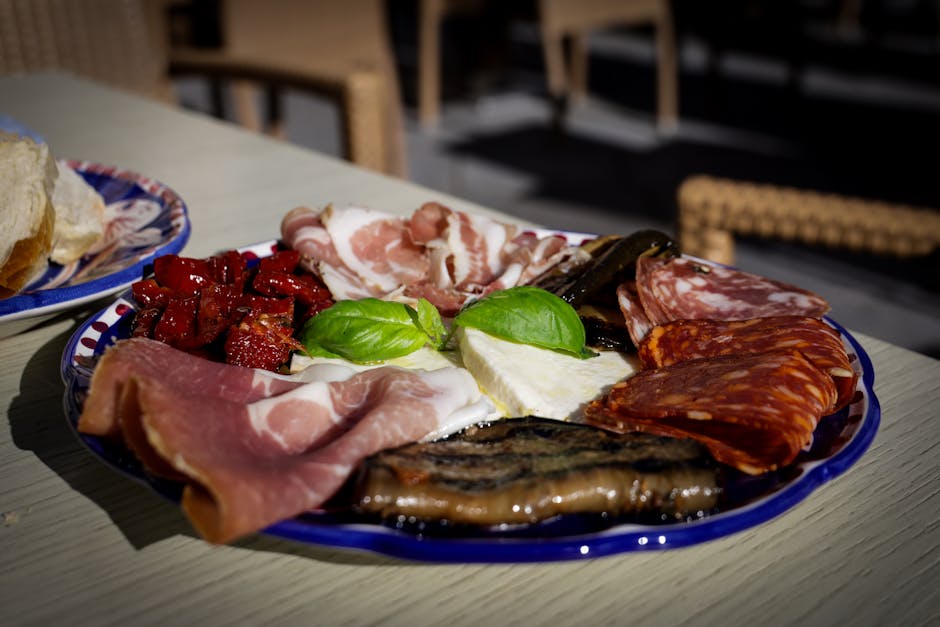
Tasting tip: pair a younger Parmigiano Reggiano (24 months) with lighter local wines or craft beers; for longer-aged cheeses (36 months and up), choose a structured red wine or even a very reduced drizzle of aceto balsamico tradizionale for a salty-sweet contrast. For charcuterie, try regional pairings: Lambrusco frizzante for fattier salumi, or a more structured local red for dryer cured meats.
Practical advice: ask the cheesemonger about aging length and the cows’ diet (grass, hay, or seasonal variations) — these strongly affect flavor. For larger purchases, most shops offer vacuum packing for travel.
Specialty shops and hidden gems — what to pack from Italy
Beyond markets and iconic restaurants, Modena is full of small specialist shops where you can find terroir treasures: delicatessens, artisanal bakeries, pastry shops and wine stores. These spots are ideal for putting together a gift basket to take home with olive oils, artisan mustards, handmade pasta, and of course travel-sized bottles of aceto balsamico tradizionale.
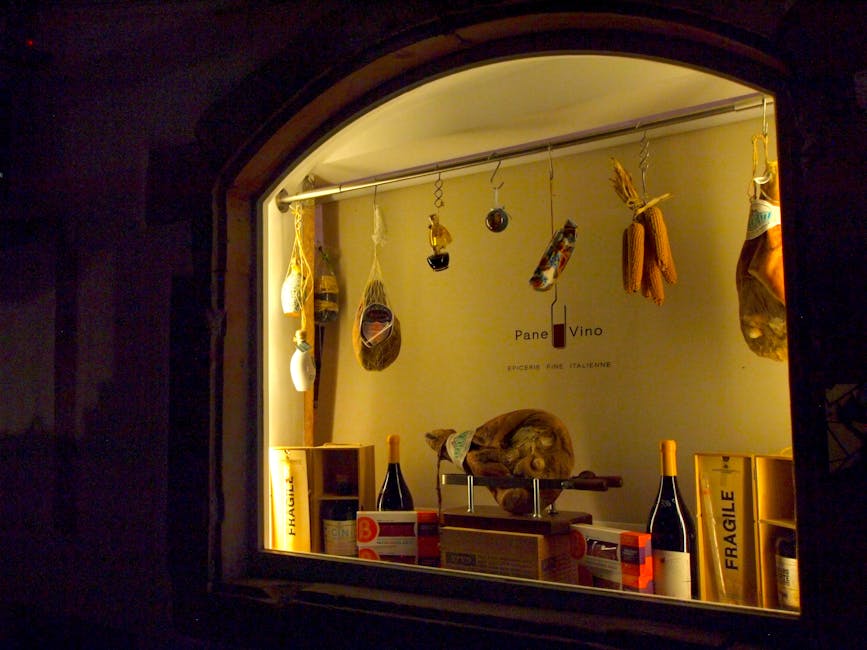
Places to know:
– Mercato Albinelli (mentioned above) remains a hub where you can find multiple stalls; look for vendors selling packaged products and regional preserves.
– Small grocery shops along the Via Emilia or on cross streets offer homemade preserves (tomato sauces, savory jams) and artisanal pasta.
– Local pastry shops sell dry biscuits (biscotti) and sweet treats where balsamic sometimes complements pastry cream — perfect for an original gift.
Prices: artisan jars (pasta sauces, preserves) €4–12; packs of artisanal pasta €3–8; bottles of olive oil €7–25 depending on quality. For a well-curated food gift box, budget €30–70 (vacuum-packed cheese, a 100 ml bottle of aceto balsamico, artisanal pasta).
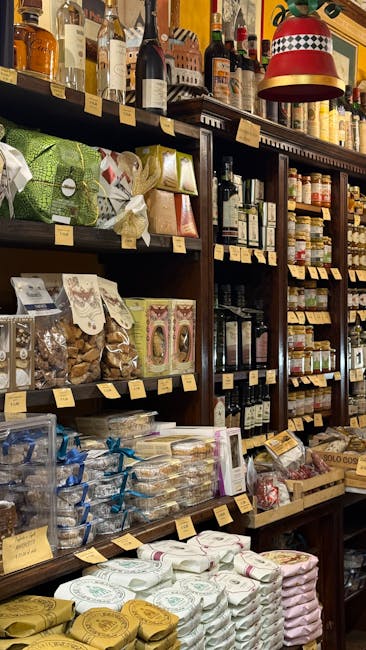
Buying and packing tips: prefer vacuum sealing for perishable items and ask for reinforced boxes for bottles. If you buy oil or vinegar, try to carry them in your hand luggage if possible to avoid breakage. Finally, check your country’s customs rules on importing food items.
Practical tips and a one-day food itinerary
To make the most of a gourmet day in Modena, here’s a recommended route designed for the senses and easy getting around. This itinerary combines a market, tastings, an acetaia visit and lunch at a local restaurant.
- Morning (8:00–10:30): Start at Mercato Albinelli (Piazza della Pomposa) for breakfast — coffee and a brioche from a local vendor — then buy a portion of Parmigiano Reggiano and a few seasonal tomatoes. Breakfast price: €3–8.
- Late morning (11:00–12:30): Head to a nearby cheesemonger for a tasting (if available) or wander the historic center to spot delicatessens. If you’ve booked, drive out to an acetaia (tours often 11:30–13:00). Acetaia visit price: €10–40.
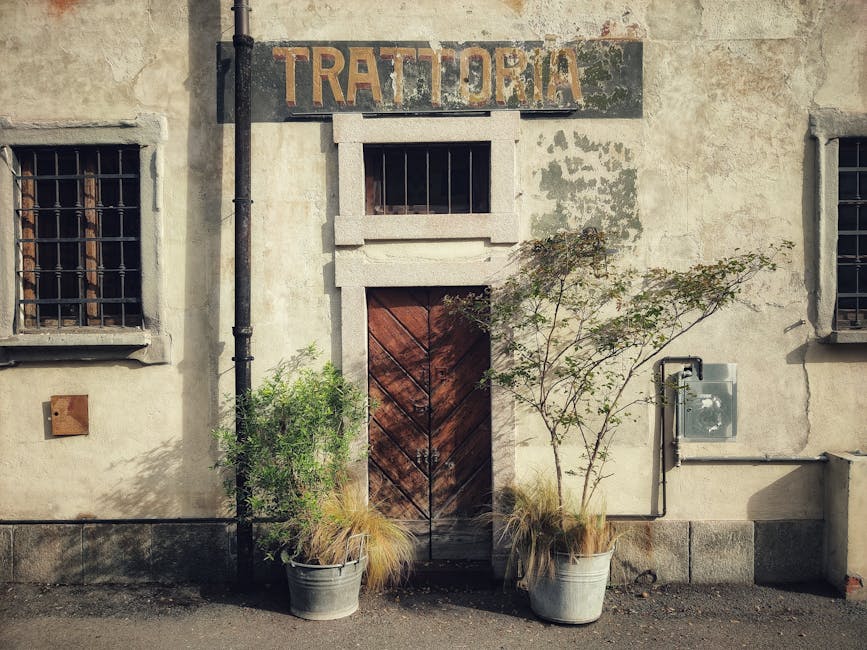
- Lunch (13:00–14:30): Book a light lunch at Franceschetta58 or choose a local trattoria (dishes €12–25). Try a dish finished with a drizzle of aceto balsamico tradizionale to taste the difference.
- Afternoon (15:00–17:30): Stroll the alleys, visit a salumi shop, or take a coffee-and-pastry break. If scheduled, a deeper visit to an acetaia or a nearby winery makes a nice afternoon excursion.
- Evening (19:00 onwards): A gastronomic dinner (Osteria Francescana if you have a reservation), or a simpler meal in a neighborhood osteria (dishes €15–40). Finish with a local digestif or a glass of Lambrusco.
Essential local tips:
– Bring cash for small purchases and market stalls.
– Respect opening hours: many shops close in the afternoon.
– If possible, book acetaia visits and restaurants in advance, especially in high season.
– Always ask for certification when buying aceto balsamico tradizionale and check labeling for Parmigiano Reggiano.
– Be curious and strike up conversations: artisans love to share the story of their product and a tasting tip.
Conclusion — take the terroir home with you
Modena is an ideal destination for foodies who want to understand and taste the soul of a region. Between Mercato Albinelli and avant-garde restaurants, traditional acetaie and cheesemongers, the city offers a full panorama of Emilia’s terroir. Local products — aceto balsamico tradizionale, Parmigiano Reggiano, salumi and other specialties — are not just ingredients: they’re family stories, concentrated seasons and techniques refined over generations.
To bring a piece of Modena home, prioritize authenticity: choose certified products (DOP for Parmigiano Reggiano, DOP where applicable for aceto balsamico tradizionale), ask vendors for guidance and opt for secure packaging. If your budget allows, a small bottle of aceto balsamico tradizionale or a well-aged portion of Parmigiano Reggiano makes an excellent gastronomic souvenir and a great starting point for memorable dinners back home.
Finally, remember that the best way to enjoy Modena is with curiosity and respect: respect the producers, their methods, and the city’s rhythm. Take the time to taste slowly, ask questions, and compare — that’s how you become not just a consumer, but a true connoisseur of Modena’s terroir. Safe travels and happy tasting in Modena!