





Introduction — Authentic tasting in Modena: from milk to the Parmigiano-Reggiano wheel
Modena is a city that sings about food. Between roaring engines and medieval squares, an unbroken agricultural tradition continues to shape both the landscape and the palate: the production of Parmigiano-Reggiano. This guide invites you on a sensory and educational journey — from the farm where milk is handled to the cellar where wheels mature slowly, and finally to the plate where the cheese reveals its full complexity. The experience is more than a simple tasting: it’s an immersion in the rural culture of Emilia, a meeting with master cheesemakers, and a look at the gestures, rules and time needed to turn milk into an exceptional wheel.
At the heart of this experience you’ll learn how to recognize a great Parmigiano-Reggiano: crystalline texture, nutty aroma, a subtle salty bite, and the grainy structure that bursts in your mouth. But to fully grasp these qualities you need to start at the beginning — visiting dairy farms, watching the cows being milked (usually local breeds such as Reggiana), smelling the raw milk, understanding the animals’ diet, and admiring the precision of coagulation and molding.
This practical and professionally minded guide details several concrete steps and places you can reach from Modena: local markets, caseifici (cheese factories), aging cellars, and ambassador restaurants where you can sample signature plates. You’ll find exact addresses, typical opening hours, price ranges in euros and practical tips for booking, getting around and following local customs. I want to stress one essential point: the best tasting is slow and shared. Plan pauses between bites, pair the cheese with a local wine or traditional balsamic vinegar, and ask the artisans questions — they love to pass on their knowledge.
Throughout this text you’ll find concrete suggestions to help you organize a day or weekend discovering Parmigiano-Reggiano — whether you’re a curious tourist, a picky foodie or a trade professional. The addresses and hours below reflect the most recent public information and well-regarded venues around Modena. Some visits (especially to caseifici) require advance booking and sometimes a minimum number of participants; listed prices are typical rates per person or per product to help you plan. Get ready to smell, taste, learn and bring home a slice of Italy — literally and culturally.
Meeting the milk: farms and dairies to visit around Modena
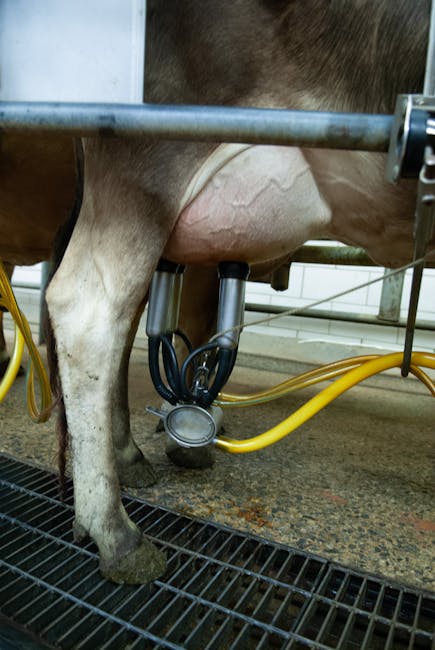
The first step in understanding Parmigiano-Reggiano begins in the pastures and barns. Twenty to forty minutes from Modena, several farms open their doors to show dairy production and the milking process. A typical visit combines learning about local cattle breeds, examining the animals’ diet (grass, hay, permitted cereals) and touring the milking facilities. Example address: Azienda Agricola Fattoria La Pieve, Via Case Nuove 12, 41010 Savignano sul Panaro (MO). Opening times: visits by reservation Monday–Saturday, 09:00–17:00. Indicative price: €12–18 per person for the guided agricultural tour, sometimes including a local-product breakfast (extra €6–8).
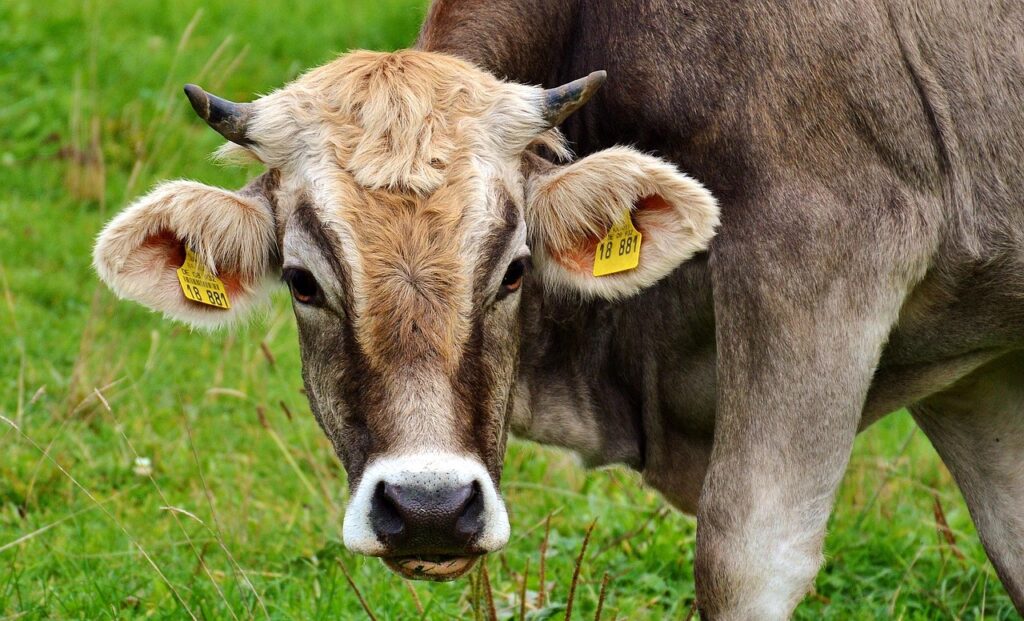
Another practical option for visitors: Caseificio Sociale di Castelfranco Emilia, Via Roma 45, 41013 Castelfranco Emilia (MO). This producers’ cooperative runs more technical tours showing how raw milk is turned into cheese. Typical hours: visits organized on request, generally available Tuesday–Saturday, 09:30–16:30. Price: €15–25 per person depending on the package (tasting included). Booking by phone or email is recommended — groups are limited to ensure quality of explanation and food-safety standards.
Local tips: wear closed-toe shoes and bring a light jacket (cellars and milking rooms can be cool), be prepared to show a photo ID for some visits, and bring a list of questions: how is milk quality measured? Which antibiotics are permitted? How far is the farm from the dairy? These details reveal the cheese’s quality chain. Also, chatting with breeders gives you rich anecdotes — milk seasonality strongly affects flavors, and every year can produce a subtly different wheel.
From the vat to the wheel: touring caseifici and aging cellars
After the farm comes the workshop: the cheese factory. Caseifici where the magic of coagulation, curd cutting and pressing takes place feel almost ritualistic. For a visit focused on Parmigiano-Reggiano, book at a place known for traditional methods. For example, Caseificio Il Reggiano, Strada Provinciale 7, 41042 Fiorano Modenese (MO) — guided visits on request, Monday–Saturday 10:00–16:00. Price: €20–35 per person (includes a tasting of three maturations: 12, 24 and 36 months).
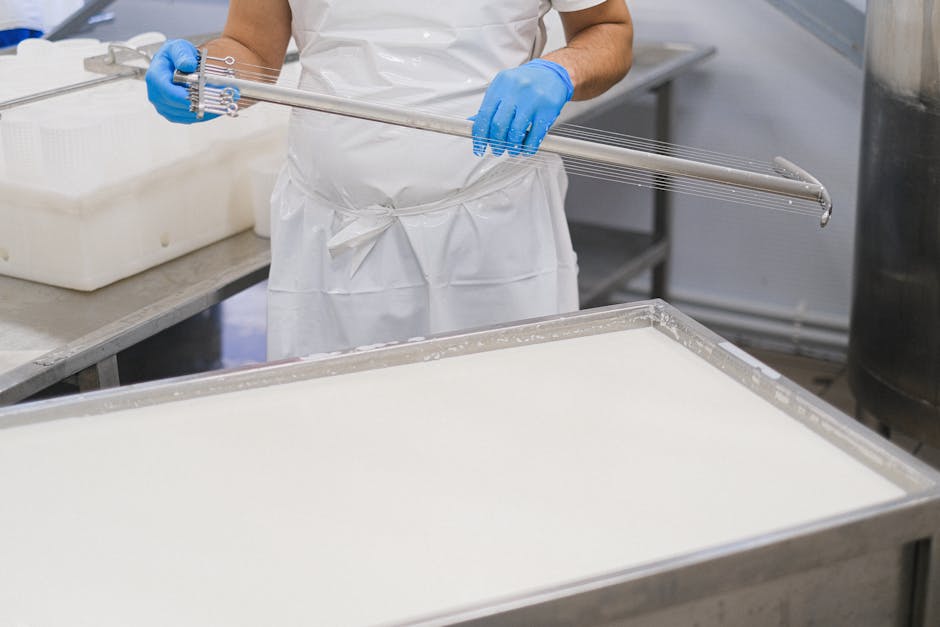
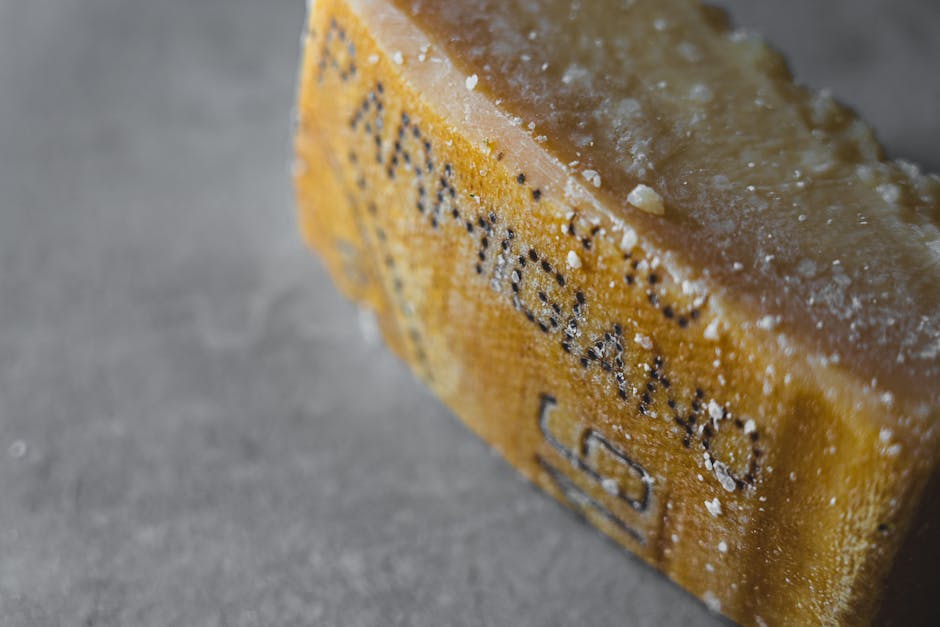
During the tour the guide will explain key steps: adding natural rennet, cutting the curd to release whey, cooking at controlled temperatures, molding in fascere (round molds), and brining which gives the right salt level. You’ll also see fresh wheels, hot-stamped with Consortium marks, then stored in aging cellars — dark rooms where the cheese breathes and develops aromas and crystals. A good caseificio emphasizes traceability: every wheel bears a mark with the milk’s origin and the production date.
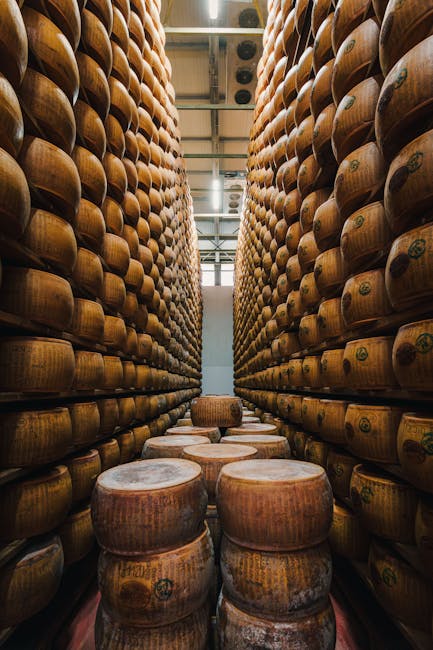
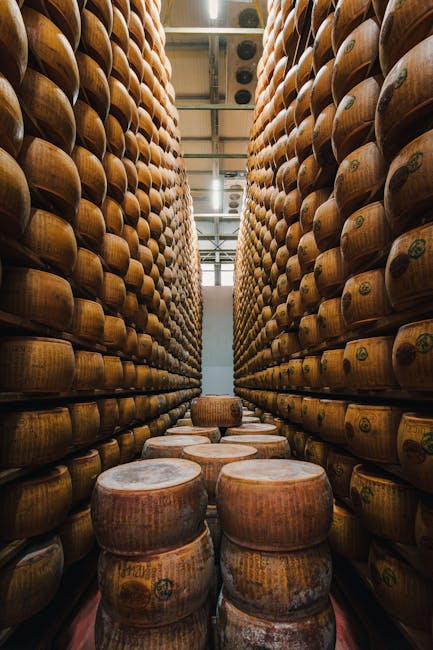
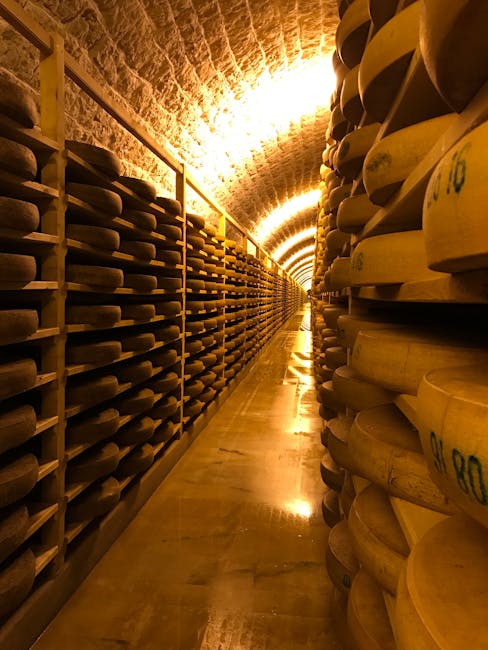
Visiting an aging cellar is essential to understanding why Parmigiano-Reggiano is unique. Cellars demonstrate wheel rotation, humidity and temperature control, and human intervention: repairing fissures, turning wheels, and regular quality checks. Examples of cellars open to the public: Affinadora Modenese, Via G. di Savoia 10, 41012 Carpi (MO). Hours: guided visits by appointment, 09:00–17:00, price €18–30 depending on the formula. Recommended souvenirs: buying a freshly cut portion (about €6–12 for 200–300 g depending on aging).
Tasting and pairings: where to enjoy Parmigiano-Reggiano in Modena
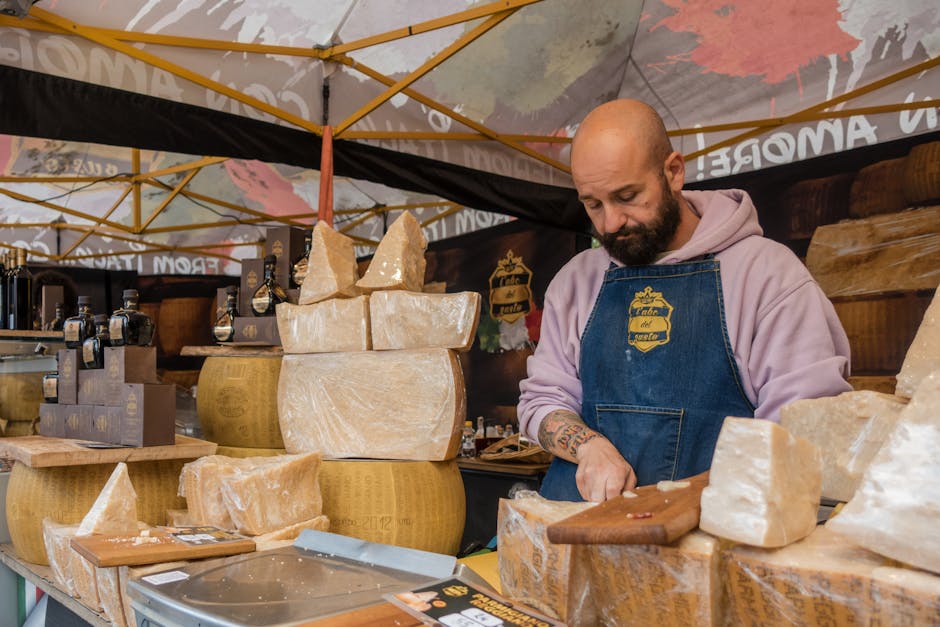
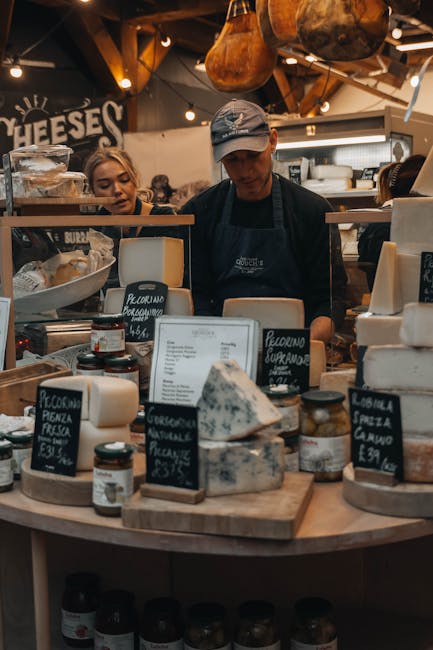
After the theory and workshop visits comes the moment everyone waits for: the tasting. Modena offers several places to taste Parmigiano-Reggiano in different settings: markets, delicatessens, and starred restaurants. Start at Mercato Albinelli, Piazza XX Settembre, 41121 Modena MO — the historic market open Tuesday–Sunday, 07:00–14:00. Here you’ll find stalls offering different maturations, vendors’ advice, and portions for sale starting around €4–5 per 100 g.
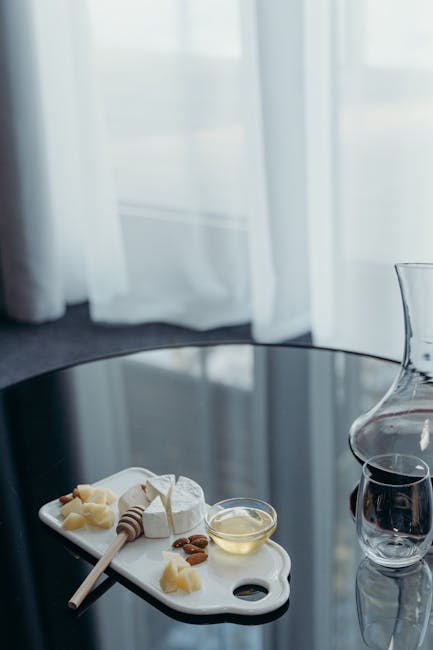
For a high-end gastronomic experience, book at Osteria Francescana, Via Stella 22, 41121 Modena MO — the world-famous restaurant where the chef reinterprets local classics. Hours: dinner by reservation, times vary; tasting menu from around €250 per person (season dependent). If that’s out of budget, other osterie and trattorie offer cheese boards served with Modena’s balsamic vinegar (PGI), local honey and preserves: expect €12–25 for a high-quality board (200–300 g of assorted cheese).
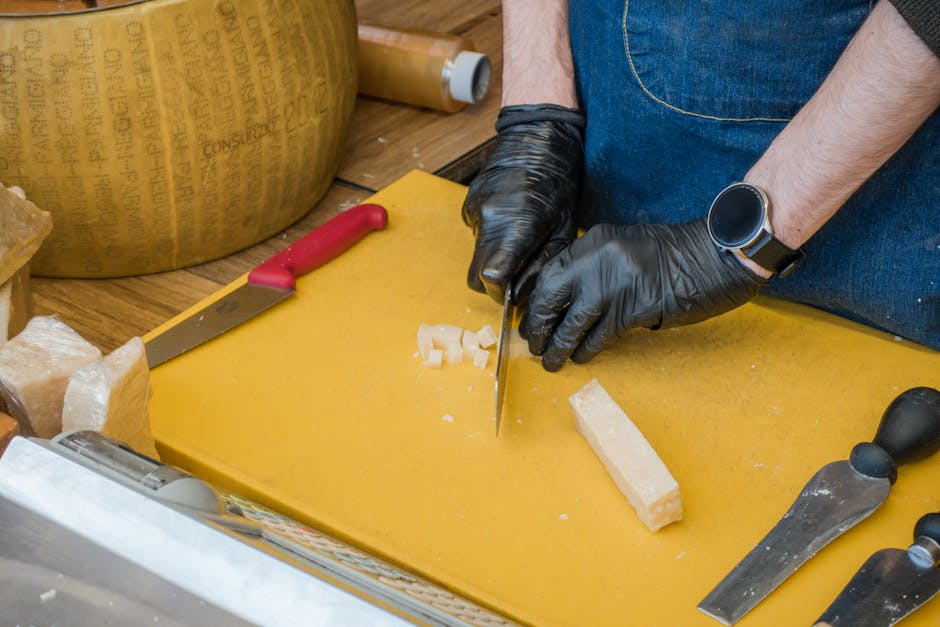
Pairing tips: a young Parmigiano-Reggiano (12–18 months) goes well with crisp white wines or a sparkling Lambrusco (local bottle €20–30), while a long-aged wheel (30–40 months) calls for more structured wines or traditional Modena balsamic vinegar (Aceto Balsamico Tradizionale di Modena DOP) tasted drop by drop (small bottle 100 ml: €40–120 depending on quality). For balanced tasting, cut thin shards or small strips, let them breathe 5–10 minutes, then alternate bites with plain bread and small sips. Tyrosine crystals (the crunchy bits) are a sign of successful aging.
Practical tips and buying ethics — bringing cheese home safely
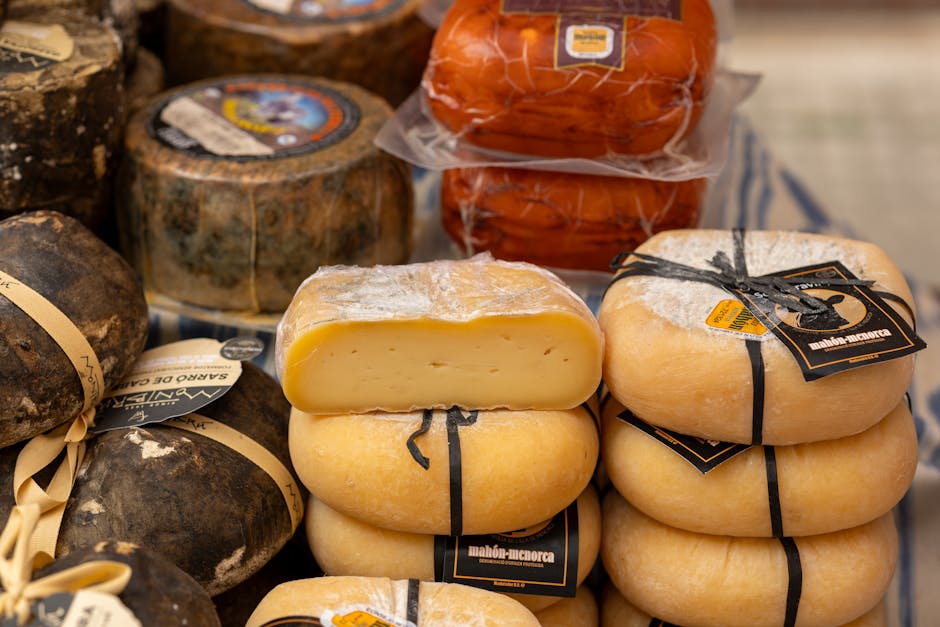
If you plan to bring Parmigiano-Reggiano home, a few simple rules will keep the product in top shape. Buy vacuum-packed cheese for long trips (vacuum-pack service typically costs €3–6 per portion). For shorter journeys, special cheesemaker paper and cling film are enough. Always check for the Consortium’s mark on the wheel or the label: it’s the guarantee of authentic Parmigiano-Reggiano.
Regulatory note: for travel within the European Union there are no strict limits for personal use, but check rules for international flights (some countries impose restrictions). When flying, pack the cheese in checked luggage rather than hand luggage if the smell is strong. If you buy a bottle of traditional balsamic vinegar, put it in a protective bag to avoid shocks. Finally, supporting local producers means choosing identified dairies or stalls, asking about milk traceability and favoring sustainable farming practices.
Conclusion — The art of tasting and the memory of the terroir
An authentic Parmigiano-Reggiano tasting in Modena is far more than a simple gustatory pleasure: it’s a lesson in rural history, artisanal technique and patience. By visiting farms, caseifici, aging cellars and tasting tables you’ll understand the importance of every gesture and decision: the cows’ diet, the milking moment, the precision of curdling, the length of aging and the attention paid in the cellar. All these elements shape a wheel’s personality and, consequently, the emotion you’ll feel when tasting it.
Planning your visit takes a bit of organization: book caseificio visits in advance, check seasonal hours for markets like Mercato Albinelli (Piazza XX Settembre, 41121 Modena MO, open Tuesday–Sunday 07:00–14:00), and budget to taste different maturations (expect €12–35 for a guided tasting, €4–25 for a shared board). Following a few storage and packing rules will let you bring home a slice of this gastronomic heritage. Above all, stay curious: ask questions, compare and note your preferences — every visit to Modena can reveal a new facet of Parmigiano-Reggiano.
By following this guide you’ll leave with knowledge, flavors and memories. Parmigiano-Reggiano is not just food: it’s the embodiment of a terroir and know-how passed down through generations. In Modena this tradition is visible, audible and, above all, deliciously tastable. Buon viaggio e buon appetito — safe travels and happy tasting.