





Introduction: Discovering Parmigiano‑Reggiano — Flavors of Modena
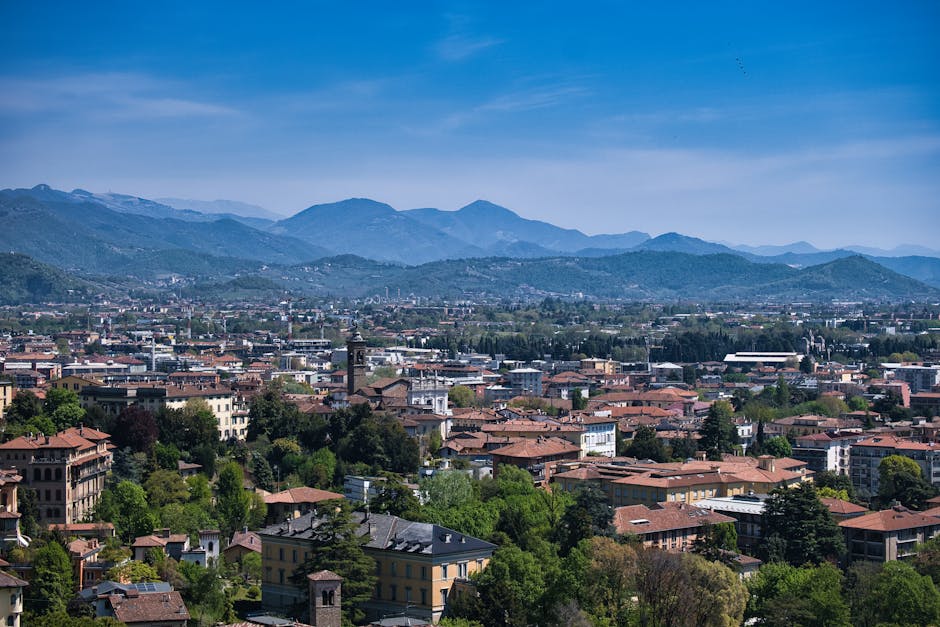
Modena, small but rich in tradition, is often talked about for its legendary cars, medieval piazza and Michelin-starred restaurants. Yet at the heart of the city and its province stands a culinary monarchy embodied by a single product: Parmigiano‑Reggiano. More than just a cheese, it’s a concentrated territory — a geography of meadows, dairy herds, craftsmanship and knowledge passed down through generations. In this article I invite you on a sensory and practical journey: to smell, touch, taste and understand why this cheese has shaped Modena’s culinary identity.
The Parmigiano‑Reggiano you find on shop counters comes from a very specific terroir — the provinces of Modena, Reggio Emilia, Parma, Bologna (west of the Reno river) and part of Mantua. The temperate climate, the lush pasture grasses and extensive dairy farming produce a milk that, when transformed under strict rules, becomes those golden wheels studded with tyrosine crystals, giving it a granular, crumbly texture. What fascinates here is the close mix of rural and urban: a stone’s throw from Vespas and Renaissance facades, market halls hum with cheese aromas and aging cellars echo with the sounds of trolleys and the hum of artisans.
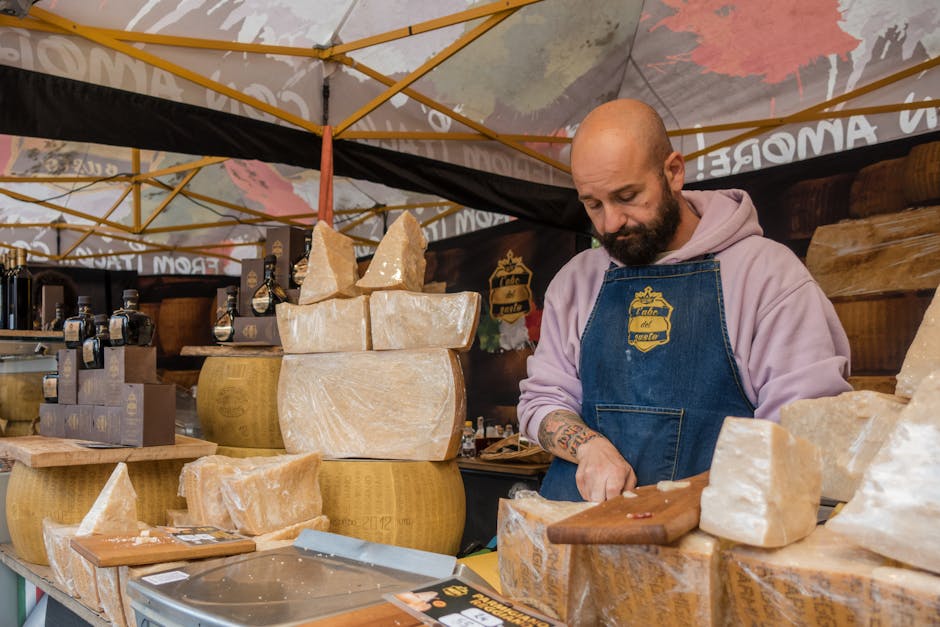
Visiting Modena for Parmigiano‑Reggiano is not just about buying a wedge: it’s about understanding the whole supply chain. Historic markets like Mercato Albinelli host specialist cheesemongers, restaurants such as Osteria Francescana or Franceschetta58 showcase it in signature plates, and caseifici (dairies and creameries) sometimes open their doors to show production, draining, molding and the long years of aging. Between museums, tasting tours and artisan shops, Modena offers as many educational experiences as it does culinary ones.
This article is designed as a complete, immersive guide: exact addresses, suggested opening times, budgets, sensory descriptions, practical tips and recommendations to plan your tastings and visits. Whether you’re a food-loving traveler, an inquisitive cook or a curious enthusiast, you’ll find concrete guidance to build your own Parmigiano‑Reggiano itinerary in Modena. I also share tips to spot real Parmigiano‑Reggiano, choose the right aging level and taste the cheese like a local — in slices, shavings, a creamy crumble or grated over a steaming risotto.
To truly capture the essence of this exploration, bring a notebook, take time to observe the cellars and talk to the producers: in Italy, the stories of the men and women behind the product are what give it life. Through the sections below I’ll take you from the historic market to exceptional restaurants, from aging cellars to practical advice on bringing cheese home without surprises. Get your taste buds ready: Modena is waiting, and it speaks through its Parmigiano‑Reggiano.
History, Terroir and Rules: Why Parmigiano‑Reggiano Is Unique
Parmigiano‑Reggiano isn’t a marketing label: it’s a protected designation of origin (PDO) that enforces very strict rules. Historically, its origins go back to the Middle Ages, when Cistercian and Benedictine monks in the 11th and 12th centuries sought ways to preserve and add value to the region’s surplus milk. The recipe evolved over centuries: milk from cows fed mainly on local grass and hay, coagulation using natural whey starter, cooking in copper vats, dry salting, then aging wheels of over 30 kg for at least 12 months — often 24, 36 months or more for “extra” maturities.
Terroir plays a fundamental role. The alluvial meadows of the Po Valley, microclimate, crop rotations and local cattle breeds (notably the Frisona Italiana) influence the milk’s profile. This specific milk, combined with standardized procedures and oversight by the Consorzio del Formaggio Parmigiano‑Reggiano, guarantees consistency and quality. The Consortium supervises production, stamps each wheel and checks conformity to the charter (ingredients, methods, no additives, traceability).
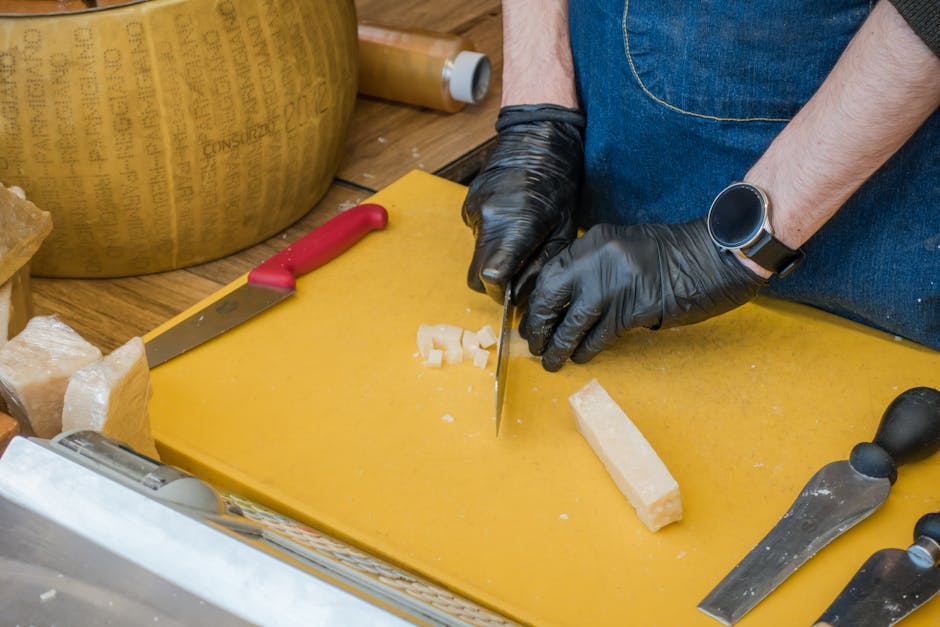
Tasting Parmigiano‑Reggiano changes with age: 12–18 months offers sweetness and a creamier texture; 24–30 months brings more persistent aromas, umami notes and crystals; 36 months and beyond adds power, pronounced graininess and an almost toasted aroma. To recognize it: look for the circular stamping on the rind, sniff the paste (from milky to more complex aromas), taste the balanced saltiness and the tiny crunchy crystals. Connoisseurs will also note a great Parmigiano’s ability to “melt” on the palate, releasing layered aromas — dried flowers, nuts, concentrated meat broth.
On the regulatory side, the rind branding and the stamped wheel marked “Parmigiano‑Reggiano” guarantee legality and traceability. Controls are frequent: hygiene, milk composition (no milk powder or additives), and farming practices. This rigor explains the price — a 24‑month Parmigiano can cost €12–20 per kilogram depending on the seller; 36 months and older often climb to €20–35/kg or more for rare vintages. Understanding this economy helps you appreciate the product and make smart choices when buying in Modena.
Where to Buy and Taste in Modena: Markets, Delis and Top Restaurants
Modena is full of places where Parmigiano‑Reggiano takes center stage. Here’s a practical, verifiable selection to taste, buy and learn about the cheese on site.
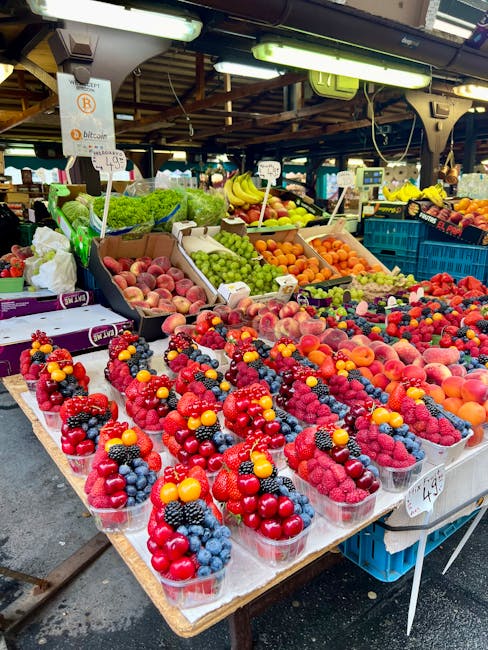
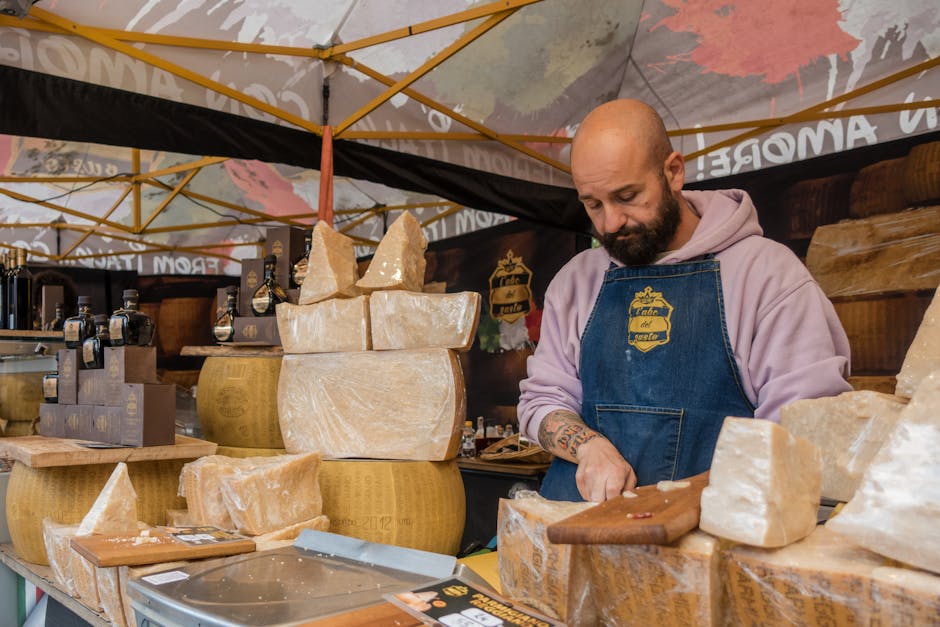
- Mercato Albinelli — Piazza XX Settembre, 41, 41121 Modena MO. Historic covered market, home to artisans and small producers. Opening hours: generally Tuesday to Saturday 7:00–14:00, with some stalls open Saturday afternoon. Price examples: fresh portions of Parmigiano‑Reggiano €12–25/kg depending on aging; tastings often available directly from cheesemongers. Tip: come early to catch the activity and chat with vendors (they can tell you the age of the wheels and offer sample slices).
- Osteria Francescana — Via Stella, 22, 41121 Modena MO. Massimo Bottura’s three‑Michelin‑star restaurant works Parmigiano‑Reggiano into several signature dishes. Hours: dinner Tuesday to Saturday (check seasonality and closures). Price: tasting menus typically around €250–380 per person (depending on the year). Reservation essential, often months in advance. Tip: for a full culinary experience, ask for dishes highlighting rare maturities — the chef sometimes collaborates with local producers for exclusive wheels.
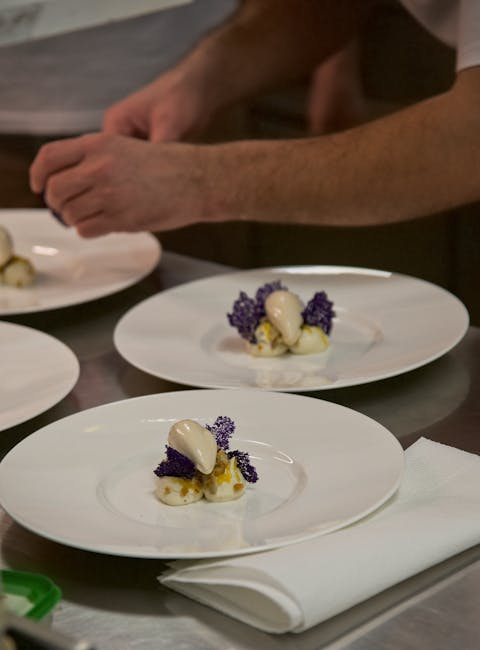
- Franceschetta58 — Via Stella, 58, 41121 Modena MO. Bottura’s more informal second project, still deeply committed to local products. Hours: generally open for lunch and dinner, closed certain weekdays (check online). Price: main dishes €12–28, a more accessible tasting menu than the main Osteria. Tip: perfect for tasting preparations where Parmigiano‑Reggiano converses with Modena’s traditional balsamic vinegar.
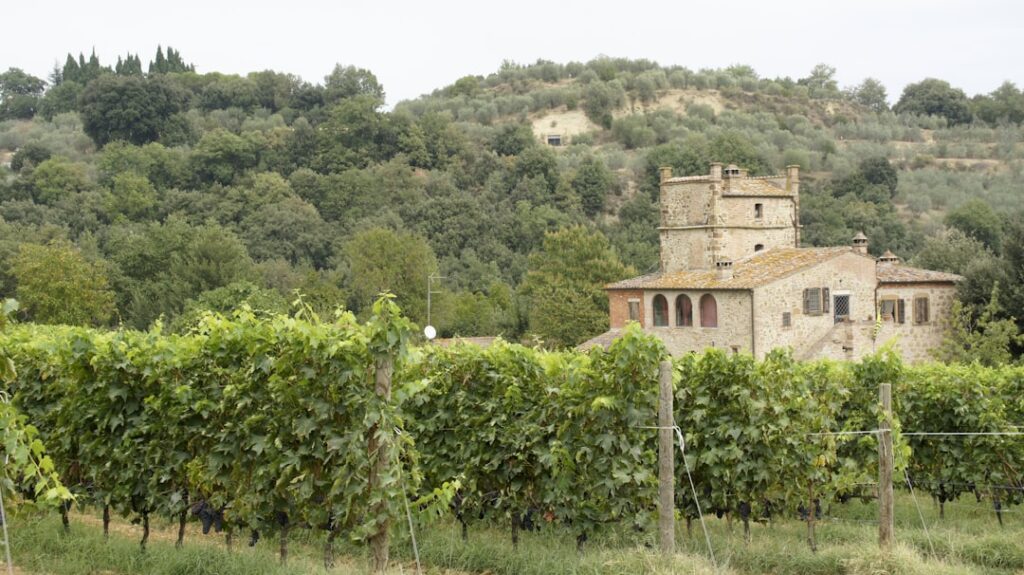
- Antica Corte Pallavicina — Piazza Garibaldi, 1, 43010 Polesine Zibello PR (about 45–60 minutes’ drive from Modena). A countryside farmhouse, salumificio and renowned agriturismo offering tours, tastings and workshops around traditional products (including Parmigiano‑Reggiano and Culatello). Hours: guided tours usually by reservation, opening times vary; restaurant open for lunch and dinner seasonally. Price: tours and tastings €15–45 per person; à la carte menus €30–90. Tip: pair a visit to the aging rooms with a tasting of cheeses at different ages to better grasp the contrasts of maturation.
Other good spots: artisan cheesemongers around Piazza Grande and Via Emilia Centro, gourmet delis in the historic streets and stalls at Christmas markets (seasonal). Buying in a specialty shop often lets you request an on‑the‑spot cut, vacuum‑packing for travel, and tips on slicing and serving.
Visiting Caseifici and Aging Cellars: How Tours Are Organized and What to Expect
Nothing beats a dairy visit to understand how Parmigiano‑Reggiano is made. Caseifici are typically family‑run or cooperative operations that transform local milk into wheels. A typical tour includes several stages: welcome and presentation of the milk cycle, observing milking or farming practices (if the farm is integrated), a demonstration of coagulation and molding, then visiting the aging cellars where wheels rest on wooden shelves for months or years.
Practical organization:
- Booking: almost always necessary. Many small producers open their doors by appointment only. Request a tour in Italian or English; some provide brochures in French.
- Duration: expect 60–120 minutes including tasting. Full tours with quality analysis explanations and demonstrations can last longer.
- Price: €10–30 per person for a standard tour with tasting; €40–80 for private tours or workshops including wine or balsamic vinegar pairings.
- Access: many caseifici are in rural areas; a car is often essential. Wear closed shoes and avoid loose plastic bags inside cellars.
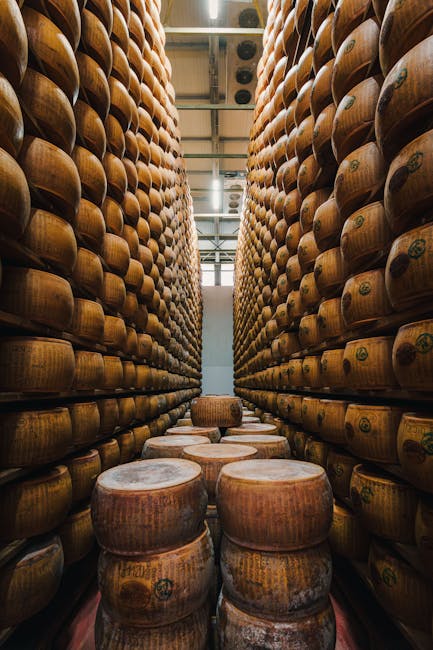
Example experience: you arrive at a traditional caseificio façade. You’re offered a small coffee, then led to the room where copper vats are prepared. The master cheesemaker shows how curd is divided, the mold shapes, the dry‑salting process and explains the management of microclimates in the cellar. In the aging room the air is cool, slightly floral, and dim lighting highlights the ivory paste. Tasting often follows a ritual: thin slices, shavings, then firmer pieces for older wheels. You’ll learn the differences between 12, 24 and 36 months and how these profiles pair with local wines (Lambrusco, Pignoletto) and Modena’s vinegars.
Practical tips for the visit: ask if the farm offers vacuum packing for travel; check the option to buy a “slice” (sometimes sold in small portions); if traveling carry‑on only, favor older maturations (lower risk of spoilage) and request insulated packaging for long walks or train journeys.
Local Practical Tips: Getting Around, Budget, Storage and Pairings
Getting around Modena for cheese‑related experiences requires a bit of planning. Here are concrete tips to make the most of your stay:
- Transport: a car remains the most flexible way to visit caseifici and rural farms. Renting a car from Modena train station (Modena FS) or Bologna Airport (Guglielmo Marconi, 30–40 minutes away) is convenient. If you prefer trains and organized excursions, check shuttle services and guided tours offered by local tourist offices.
- Budget: for a full experience (dairy tour + lunch in an osteria + purchases), plan €80–200 per person depending on level. Buying cheese in a shop for home: €12–35/kg depending on age. Fine dining requires a higher budget (see Osteria Francescana above).
- Storage and transport: to bring Parmigiano‑Reggiano home, ask for vacuum packing in shops (often €2–8); keep the cheese cool but not frozen. On planes, separate cheese from liquids and follow the airline’s rules. In carry‑on baggage, cheese is generally allowed if it complies with the destination country’s regulations; for travel outside the EU, check customs rules in advance.
- Pairings: Parmigiano‑Reggiano pairs classically with Lambrusco (Modena), Pignoletto, mineral white wines, or with traditional Modena balsamic vinegar (Aceto Balsamico Tradizionale di Modena). For sweet‑savory matches, try fresh pears, figs or onion jam. In cooking, it shines grated over risotto, as shavings on fresh pasta, or simply in chunks with a drizzle of balsamic.
- Language and communication: at markets and with small producers, basic Italian usually suffices; many younger vendors speak English. For guided tours, ask if French guides or materials are available if you prefer. Advance booking is the norm for Osteria Francescana, Antica Corte Pallavicina and most farm excursions.
Conclusion: Taking the Spirit of Parmigiano‑Reggiano Home from Modena
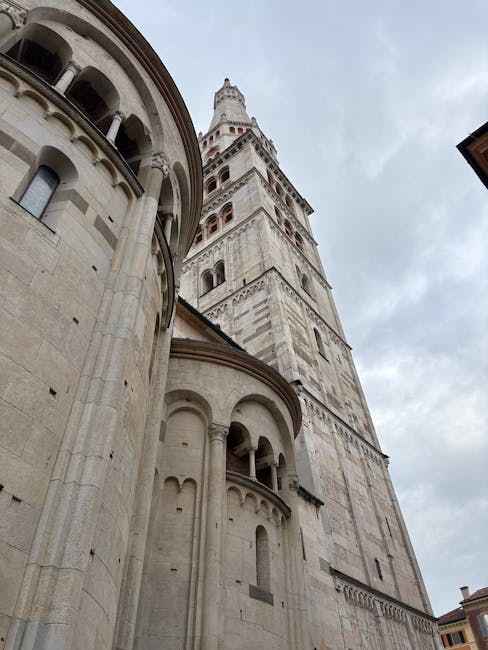
Visiting Modena for Parmigiano‑Reggiano means immersing yourself in a culture where time and patience shape quality. Between historic markets, chef‑driven restaurants and aging cellars, each experience reveals a different facet: the authenticity of producers, the creativity of chefs and the sociability of the piazzas. The cheese becomes an anchor point for exploring the region’s cultural landscape — from Piazza Grande and the Torre della Ghirlandina to the meadows where the cows graze that will produce the milk for future wheels.
When you leave, take more than a wrapped wedge: keep in mind the conversations with cheesemongers, the textures you tasted and the pairings that surprised you. These elements form a lasting flavor memory, useful for recreating small rituals at home shaped by aging and accompaniments. And if you want to reproduce the experience: start with a 24‑month Parmigiano‑Reggiano for culinary versatility, then explore 30–36 month wheels for more contemplative tasting evenings.
Finally, one last travel tip: plan, but leave room for serendipity. Many of the best discoveries happen through a recommendation, accepting an impromptu visit, or buying a small slice from an artisan who welcomed you warmly. Modena, rich in heritage and flavor, will then offer you not only an exceptional product but a story to tell with every bite.